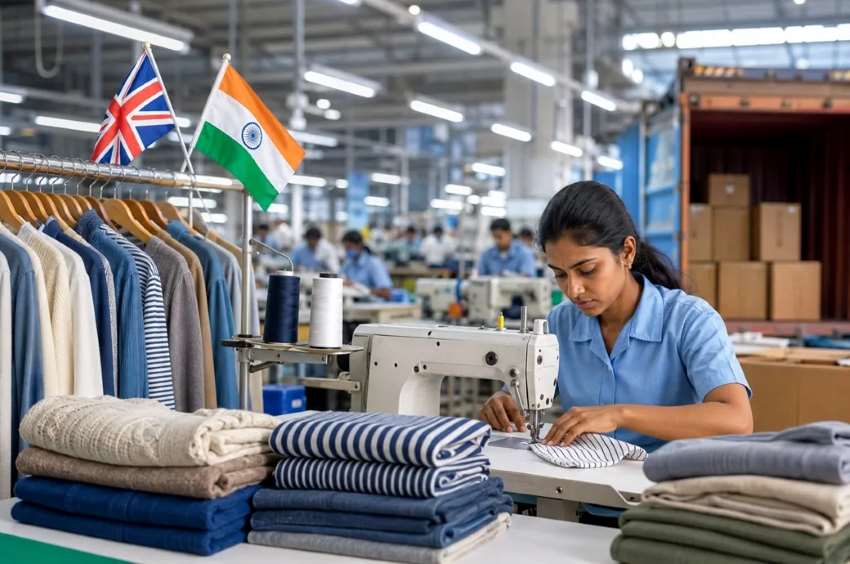
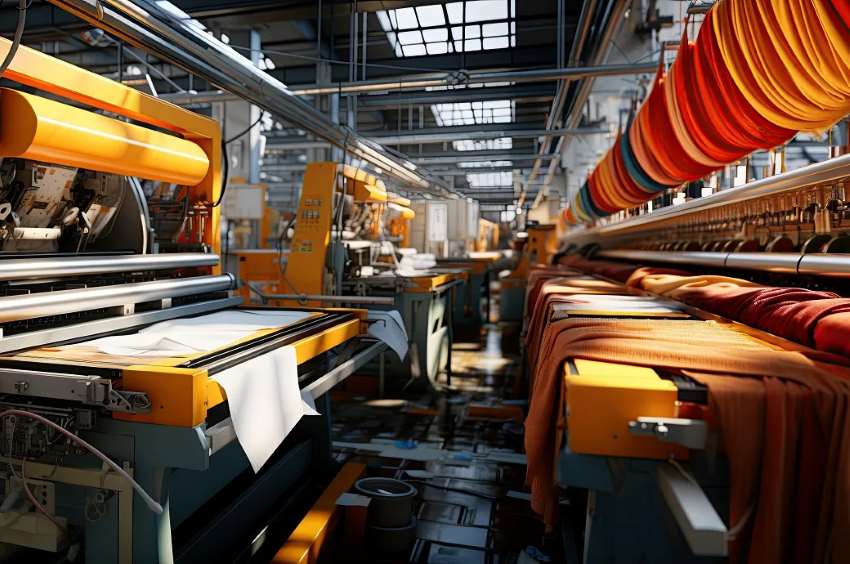
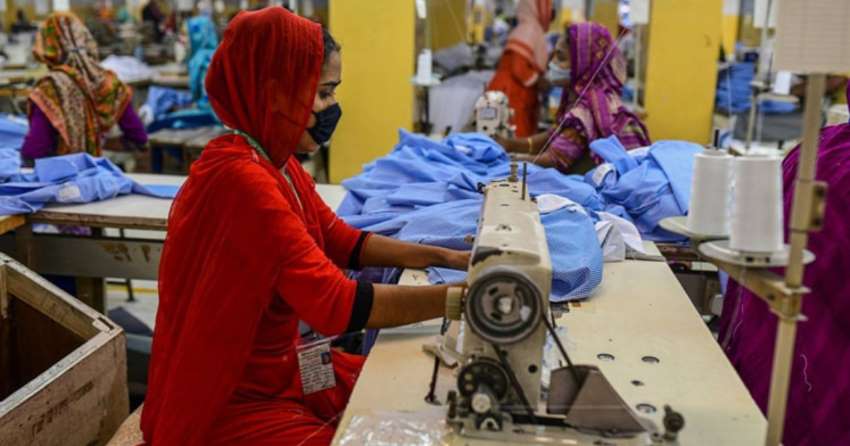
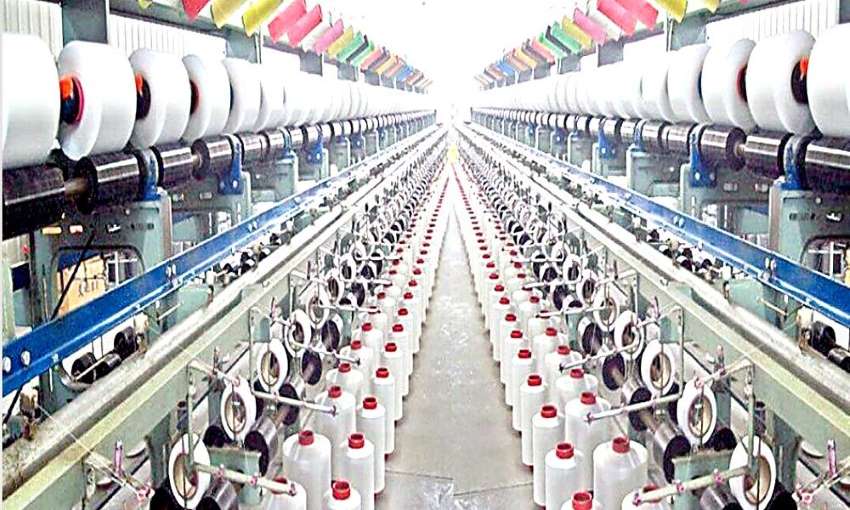
In 2015, readymade garment manufacturers in Bangladesh had to work to restore retailers’ confidence in workplace safety. People across the globe raised questions about readymade garment workers’ rights and safety plus electrical and structural integrity. The sector was able to restore buyers’ confidence through improvement of safety standards over the last few years to ensure a safer workplace.
In 2016, Bangladesh will focus on skills development, efficiency improvement, productivity and use of modern technology to save the environment. Another challenge is to relocate shared building factories to make them fully compliant.
In 2016, the RMG sector expects buyers to come to Bangladesh and place more orders. But manufacturers want better prices since factories have invested a lot on improving safety standards. If buyers do not increase prices, manufacturers say they do not want to hurt their competitive edge and will just say ‘no’.
Meanwhile the industry is preparing to concentrate on product and market diversification along with product upgradation as Vietnam, a major competitor of Bangladesh, is being connected with the Trans-Pacific Partnership.
The RMG sector in Bangladesh contributes over 81 per cent to total export earnings and over 10 per cent to GDP. The sector has 40 lakh workers, of which 80 per cent are women, mostly from rural areas.
- 1
- 2
- 3
- 4
- 5
- 6
- 7
- 8
- 9
- 10
Luxury resale goes global, sneakers, handbags, archival fashion redrawing border…
The luxury resale market in 2026 is no longer a monolithic global block. According to the RB Insights January 2026... Read more
China out but can India deliver? The realities of the global sourcing shift
With the US imposing a flat 15 per cent tariff on Chinese imports under Section 122 as of February 2026,... Read more
Luxury in Retreat: Why the aspirational consumer is gone for good
The global luxury industry is confronting an unprecedented situation. The active consumer base, which peaked at 400 million in 2022,... Read more
The Invisible Bleed: How a single chemical is slowing India’s apparel machine
The global fashion industry has spent the better part of the past two years obsessing over visible disruptions viz. volatile... Read more
The Closet Paradox: How ‘nothing to wear’ is driving global overconsumption
In an era of overflowing wardrobes and instant fashion gratification, a striking paradox has emerged: the more clothes we own,... Read more
US trade rulings and labor slowdown reshape 2026 cotton supply chains
The global cotton industry is entering a period of adjustment, shaped by legal rulings, trade policy recalibrations, and a softening... Read more
Zero-tariff paradigm drives strategic re-sourcing at Global Sourcing Expo 2026
Projected to reach a valuation of $30.3 billion this year, the Australian textile and apparel market is entering a period... Read more
Strategic manufacturing takes center stage at Gartex Texprocess Mumbai 2026
A $179 billion industrial cornerstone contributing 2 per cent to the national GDP, the Indian textile and apparel sector is... Read more
The Hidden Tax on Fashion: 2026’s EPR rules squeeze margins and shake supply cha…
As the 2026 enforcement deadlines for California’s SB 707 and the European Union’s harmonized Waste Framework Directive loom, the global... Read more
Guess? Inc. retreats from China as American cool hits a cultural wall
For more than two decades, Guess? Inc., the emblem of ‘accessible American cool’, maintained an ambitious footprint in China. At... Read more