Bangladesh’s ready-made garment (RMG) sector concluded the FY25-26 on a sobering note, with total export earnings settling at $38.70 billion - a 1.64 per cent Y-o-Y decline. While the industry experienced a temporary growth in June, analysts caution against interpreting this as a broader recovery, attributing the uptick to a favorable calendar shift rather than organic order growth.
The data reveals a significant divergence in performance; while shipments to the United States, United Kingdom, and Canada demonstrated resilience with modest growth, these gains were insufficient to counterbalance a 3.31 per cent slump in the European Union, the country’s largest market. This contraction highlights the mounting pressure on Bangladeshi manufacturers as buyers increasingly diversify their sourcing portfolios ahead of the nation's scheduled graduation from Least Developed Country (LDC) status.
Production constraints and competitive pressures
Beyond shifting trade patterns, the sector is grappling with systemic operational challenges that threaten long-term competitiveness. Industrial hubs, particularly in regions like Gazipur, have reported intermittent production halts driven by energy supply disruptions and escalating utility costs. Furthermore, the industry is navigating intensifying price competition from emerging manufacturing hubs. Buyers are adopting a more cautious approach, prioritizing supply chain stability and regional diversification, noted industry observers. With the phase-out of duty-free privileges on the horizon, manufacturers are under immense pressure to shift from low-cost, high-volume production toward technical textiles and complex garment categories to sustain their global market position and mitigate tariff exposure.
Backbone of the national economy
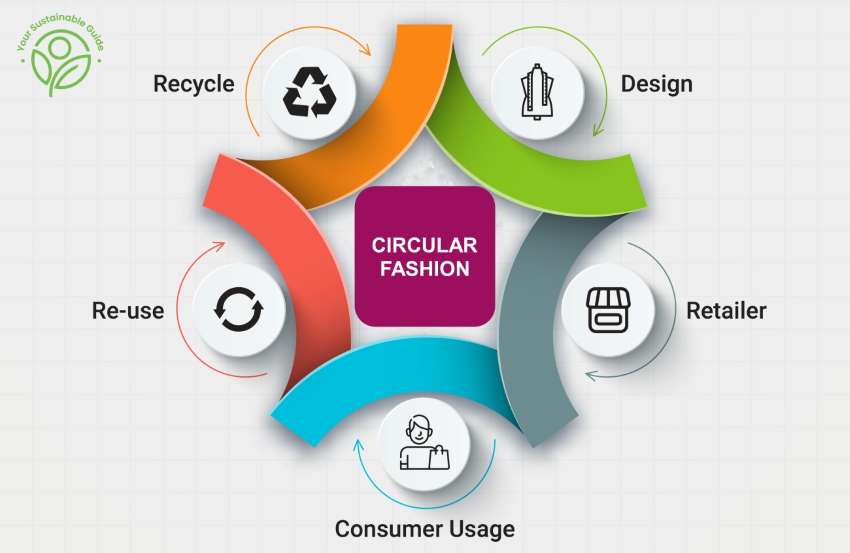
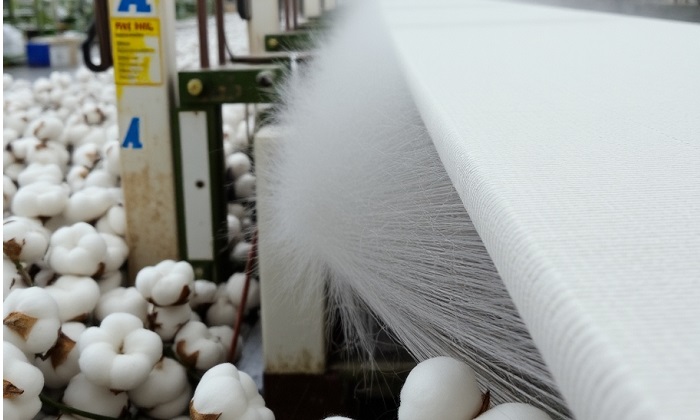
The Bangladesh RMG sector is the backbone of the national economy, accounting for over 84 per cent of total exports. It specializes in large-scale cotton and knitwear production for global markets. Currently, the industry is aggressively investing in sustainable manufacturing, circularity, and digital production management to maintain competitiveness.