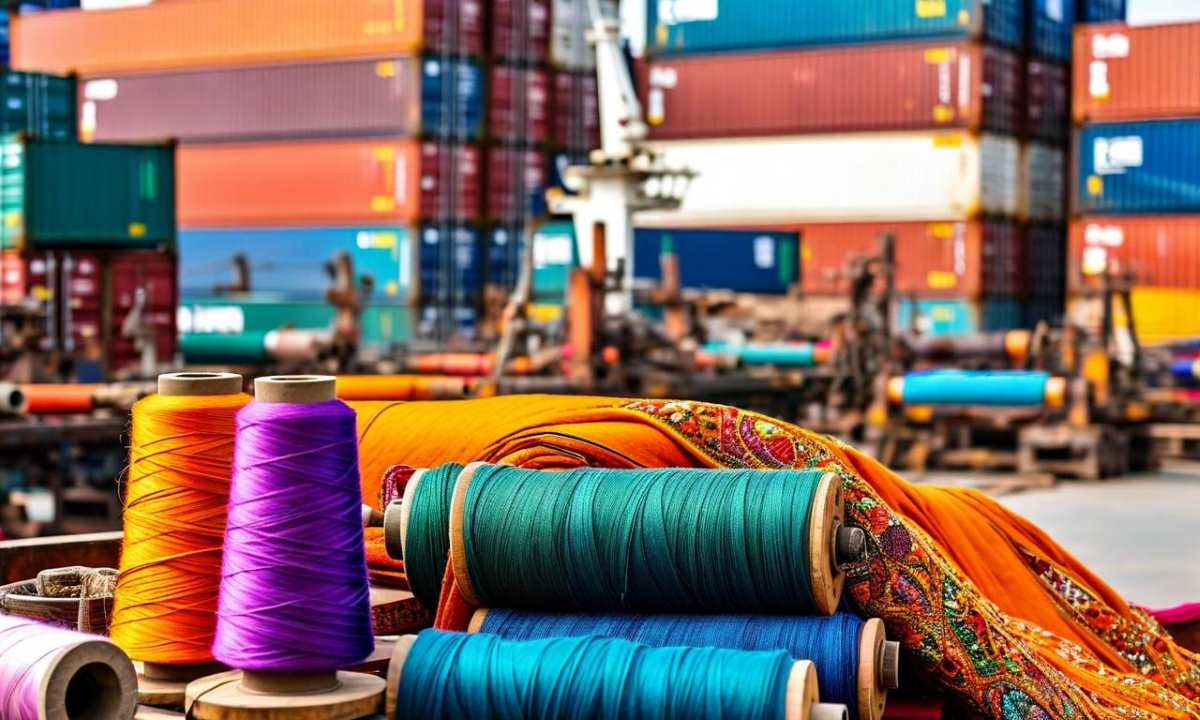
India’s exports of bedspreads, in value terms, have seen a phenomenal rise in the last decade. Shipments of bedspreads from India in 2015 were 70 per cent of world exports during the same period. However, major exports from India are still coming from the unorganised sector. Bedspreads are a significant foreign exchange earner for the country. It is one of the few export products where China lags behind India. While China specialises only in machine-made items, India does both machine and handmade items.
With regards to availability of raw material, India is self-reliant. However, a lot of technology upgradation in textile mills is needed – for example in the quality of fabrics used, quality of velvet or cotton. In the case of silk, it’s imported from China, hand worked on domestically, and then made export-ready. Hence there is a need to improve the quality of fabrics used. The recently-announced Rs 6,000 crore special package for the textile and apparel sector may be of help.
Manufacturers feel FTAs, such as an agreement with the EU, will boost exports. They believe the Amended Technology Upgradation Fund Scheme is a good scheme but has to be properly implemented. GST is also seen as helping to minimise costs on many fronts.

- 1
- 2
- 3
- 4
- 5
- 6
- 7
- 8
- 9
- 10
Lefties becomes Inditex's new weapon against Primark and Shein
While much of the global apparel industry has focused on the rapid rise of digital-first retailers such as Shein and... Read more
Bangladesh’s apparel export model hits a breaking point as price wars reduce mar…
Bangladesh's apparel industry, long regarded as the world's manufacturing hub for affordable, high-volume garments, is facing one of its most... Read more
EU textile labeling crackdown exposes apparel supply chain compliance risks
The European apparel industry is facing a major compliance challenge after a coordinated market surveillance exercise by the European Commission... Read more
Can Surat overcome raw material volatility to become a global MMF hub?
Surat remains the undisputed heart of India's man-made fibre (MMF) textile industry. The Gujarat cluster produces nearly 65 per cent... Read more
Emerging markets redraw the global fashion spending map
The global apparel industry is facing a geographic realignment as rising middle-class in developing economies reshape consumer spending patterns. New... Read more
Shrinking cotton harvest puts global textile supply chains under pressure
The global textile industry is heading into another challenging procurement cycle as falling cotton production and shrinking cultivation areas threaten... Read more
Global Sourcing Expo Sydney 2026 reports 20% growth in attendance
The Global Sourcing Expo Sydney 2026 has officially concluded, marking a watershed moment for Australia’s textile and apparel trade sector.... Read more
Bharat Tex 2026: Setting the global standard for textile commerce and innovation
As the industry prepares for a major milestone, Bharat Tex 2026 is set to strengthen its position as the premier... Read more
UK fashion sourcing shifts south as Bangladesh overtakes China
The UK’s apparel sourcing has seen a realignment in recent years, as retailers increasingly diversify production away from traditional East... Read more
Why European consumers are spending more but buying less fashion
For much of the last two decades, the European fashion industry operated under the assumption that rising consumer wealth would... Read more