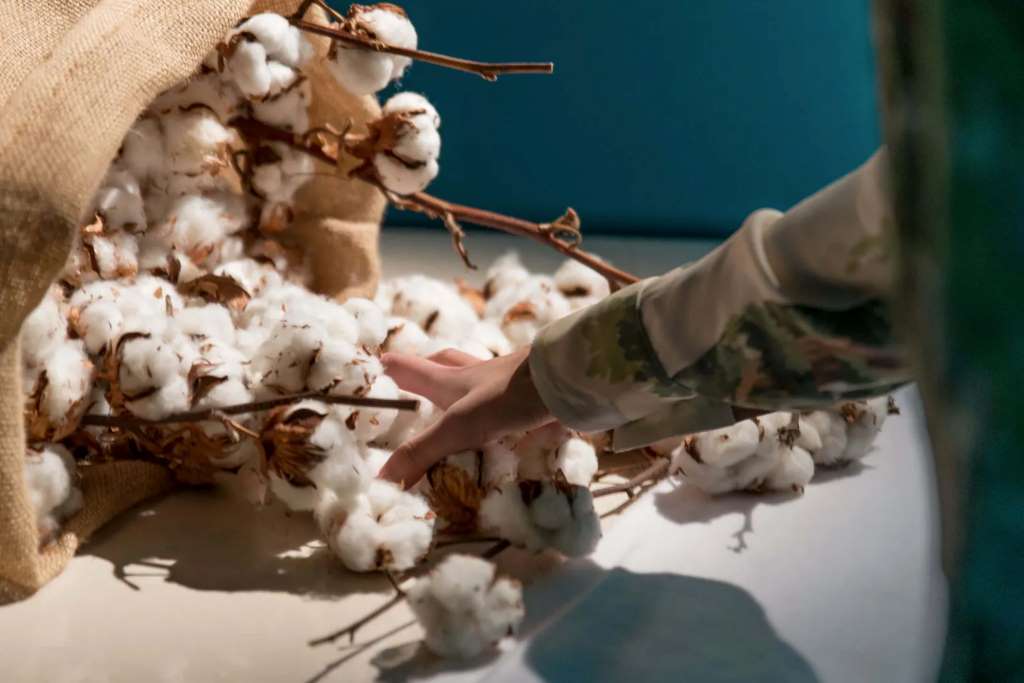
Brazilian cotton output might again reduce in 2014-15, but would still be close to the average registered over the last 11 seasons. Worldwide, a decrease in supply is expected for the third time in a row, but despite that, ending stocks might continue to increase. In Brazil, prices will depend on export parity with international prices, export costs and exchange rate ratio and on the volume effectively shipped, which will determine domestic surplus.
Producers who are able to access the global market might obtain remunerative prices, especially if the exchange rate is higher than that observed in December. Since mid-2014, regional quotes are below the official price floor, and data indicates a tight situation, when revenue and costs of the new season are compared.
When comparing the same parameters like cost of inputs in November 2014 to export value in September 2014, profitability was six per cent positive. In spite of possible smaller area and production, considering prices, exports will be a major market definer in 2015, which can change the benefit/cost ratio.
- 1
- 2
- 3
- 4
- 5
- 6
- 7
- 8
- 9
- 10
China’s duty-free revival meets a reality check as Hainan shifts from VICs to va…
Hainan’s retail recovery is beginning to look less like a cyclical rebound and more like a rewiring of China’s domestic... Read more
Zombie inventory and shrinking margins inside China’s fashion returns meltdown
China’s digital fashion market, long celebrated as the world’s most sophisticated test bed for e-commerce innovation, is facing a destabilising... Read more
Circularity by Design: How EU rules are turning data into fashion’s new currency
The European fashion sector has entered a compressed transition window. Two regulatory confirmations: the revised EU Textile Labelling Regulation (effective... Read more
The Lyst Reset: Chanel and Dior rewrite luxury’s power index
The global luxury hierarchy has been quietly rewritten, and not by sales alone. In Q1 2026, Chanel rose to the... Read more
Inventory, not expansion, defines winners in global apparel
The 2025 fiscal year has crystallised that revenue growth and operational health are no longer moving in tandem. In an... Read more
From growth-at-all-costs to cash discipline, the new economics of DTC fashion
The global direct-to-consumer apparel market is entering a correction phase, as fashion brands across the US, Europe and the UK... Read more
Britain’s Forgotten Growth Engine: Why policy gaps are undermining fashion and t…
Britain’s fashion and textile industry, often framed through the lens of creativity and design, is emerging as a case study... Read more
Beyond price rallies structural reform can strengthen India’s cotton economy
India’s cotton economy is entering a decisive phase, where firmer prices and tighter arrivals in the 2026-27 season have given... Read more
Polyester volatility redraws India’s textile industry competitive map across Asi…
India’s synthetic textile industry has entered a phase of cost instability as polyester staple fibre (PSF) prices rise across domestic... Read more
The £7 Billion Question: Who pays for fashion’s ‘free rental’ habit?
The global fashion industry is facing an uncomfortable paradox: its most valuable customers may also be its most destructive. A... Read more