Shoppers in China are encouraged to buy items that will contribute to sustainable lifestyles. Waste and pollution associated with the textile and clothing industries is a growing issue, especially in China.
In 2014, China had begun to exceed the global average consumption of new clothes, which was five kg per person. Chinese shoppers bought 6.5 kg each that year. About half of Chinese consumers buy more than they can afford. About 40 per cent make compulsive purchases more than once a week, with young, high income women being the most vulnerable.
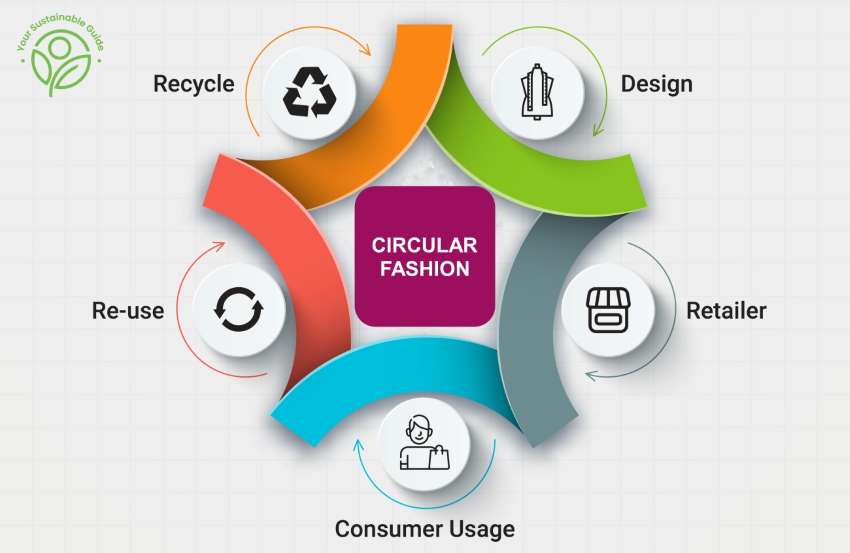
Fashion giants have introduced clothing recycling programs. They are transparent about their textile manufacturing process, or have released clothing collections that have rebranded sustainable consumption as fashionable.
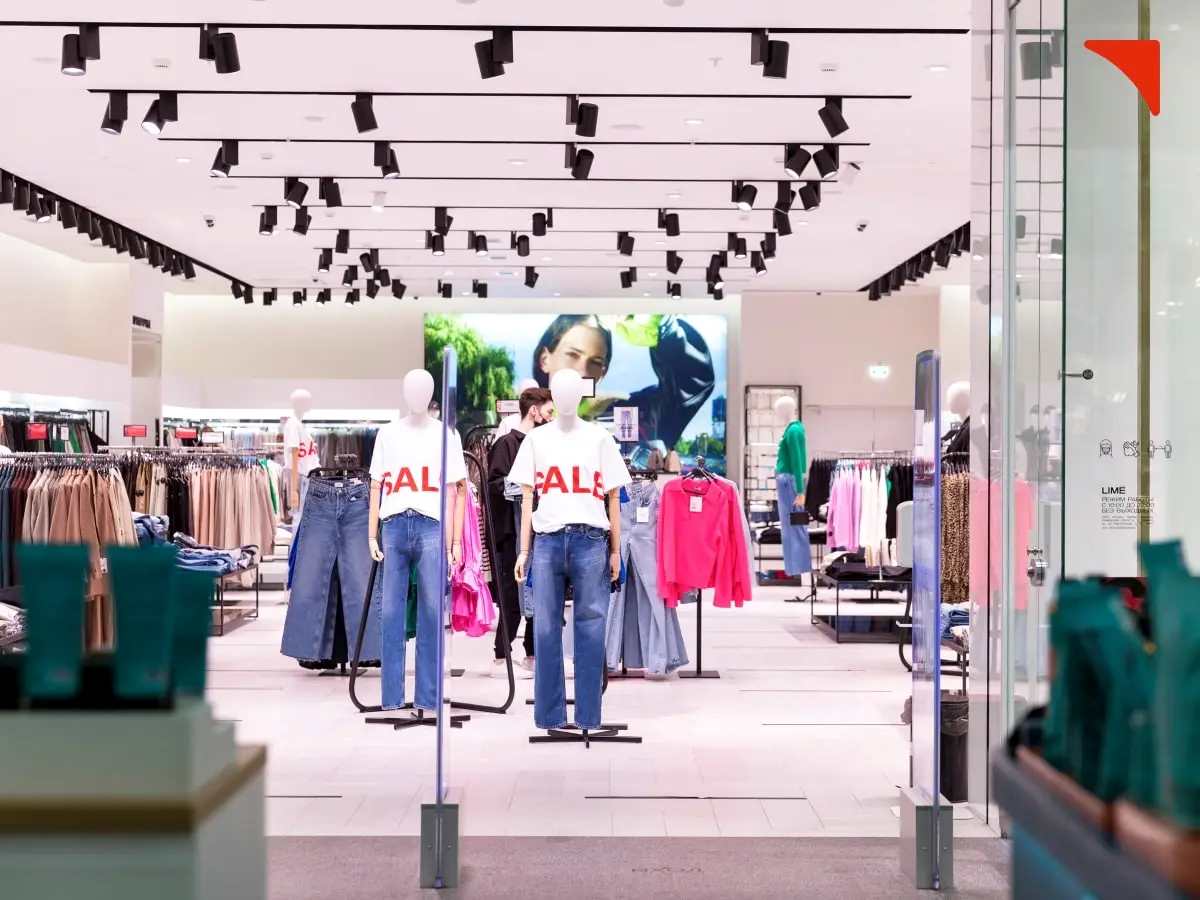
H&M, for example, has collected more than 61,000 tons of garments globally since its clothing recycling program launched in 2013. More than 2,200 tons of the clothing collected was in China. Denim backpacks are being produced from used jeans. Shopping malls have started placing clothing collection boxes. Shops sell products made from organic materials that can be reused, like cotton bags.
However, shopping habits die hard and do make eco-friendly fashion a tough sell. For instance potential customers, wary of used clothing, need convincing that items have been thoroughly disinfected.
- 1
- 2
- 3
- 4
- 5
- 6
- 7
- 8
- 9
- 10
Turning the supply chain upside down, on-demand production reshapes apparel
The global fashion industry, long celebrated for its creativity and scale, is facing a structural reckoning. For decades, retailers and... Read more
Intertex Milano 2026 - A global nexus for textile innovation
Intertex Milano is set to return this summer, confirming its status as a premier international destination for the textile and... Read more
Primark at crossroads as AB Foods weighs spin-off amid digital and Lefties press…
The long-standing supremacy of Europe’s budget fashion champion, Primark, is facing a test. As of February 2026, Associated British Foods... Read more
Vietnam, Bangladesh, Cambodia drive US apparel imports in 2025
The 2025 year-end data for the US apparel sector reveals an industry in structural flux. Despite aggressive tariff measures and... Read more
The New Dress Code: Sportswear’s takeover of modern wardrobes
For much of the last decade, fashion retail has been defined by volatility. Trends have shortened, discount cycles have intensified... Read more
Hemp finds its moment in India’s $500 billion American trade calculus
In the grand arithmetic of India’s expanding trade engagement with the US, the headlines usually gravitate toward oil cargoes, aircraft... Read more
EU PET spunbond imports under scrutiny, misclassification sparks regulatory and …
The European nonwovens and technical textiles sector is facing an unprecedented compliance crisis as a rise of customs misclassification threatens... Read more
From atelier to algorithm, Gucci is redefining premium marketing
As Milan welcomes the Primavera 2026 fashion calendar, the spotlight is fixed not just on the runway but on Gucci,... Read more
America’s Store Split: Why discount retailers are winning as department stores s…
By early 2026, the American retail industry no longer resembles a single marketplace moving in one direction. It feels more... Read more
Europe’s Textile Crisis: The sovereign fibre trap and the race against China
By early 2026, the European textile and apparel sector finds itself at a crossroads that challenges traditional market logic. Unlike... Read more