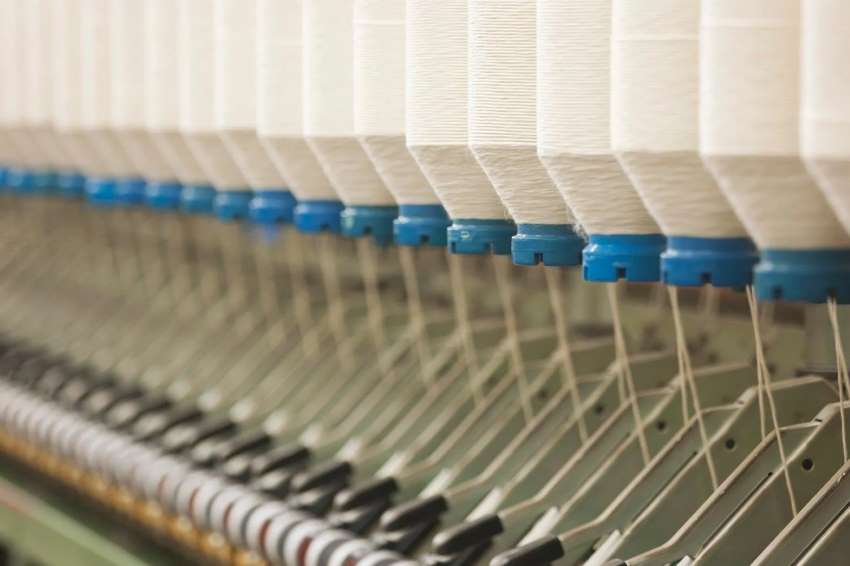
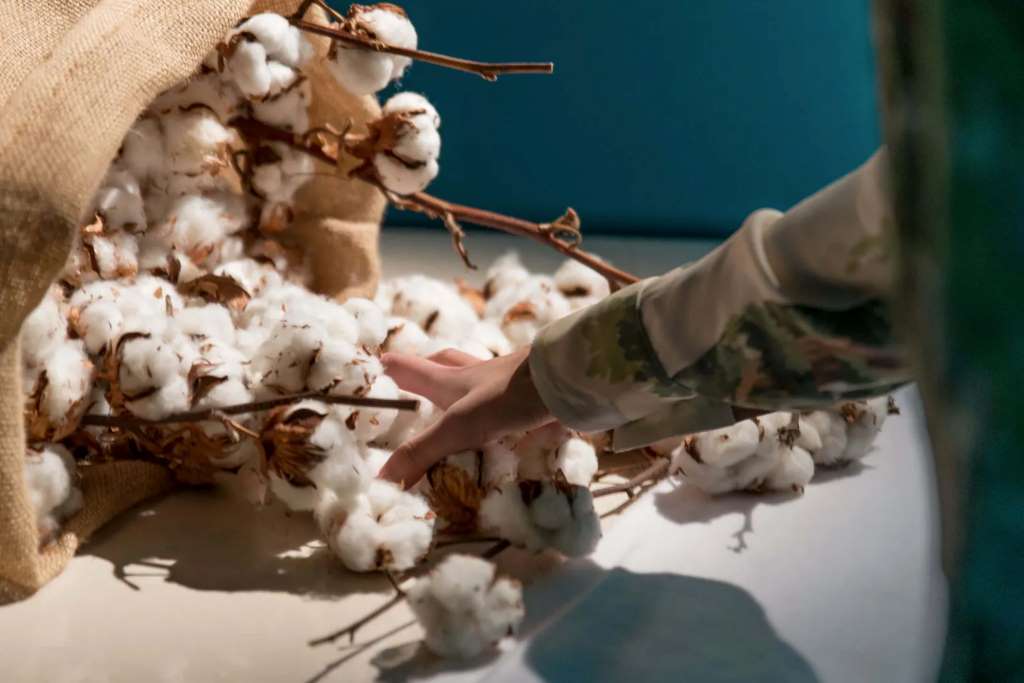
In a major strategic recalibration, the Chinese government has approved a sweeping tariff adjustment plan set to take effect on January 1, 2026, targeting the backbone of its textile and apparel industry. By slashing provisional duties on 935 imported products, Beijing is positioning its domestic spinning and weaving mills to absorb global inflationary shocks. The most aggressive cuts focus on cotton, where most-favored-nation (MFN) tariffs for uncarded and uncombed varieties will plummet from 6 per cent to 1 per cent. This move is expected to significantly lower the production overhead for China's massive spinning hubs, further widening the cost-competitiveness gap between Chinese yarn and regional rivals like Bangladesh and Vietnam.
Fueling the high-value fiber cycle
The 2026 plan extends beyond basic cotton, offering a lifeline to the luxury and technical textile segments. Tariffs on scoured and greaseless wool will decline to 1 per cent, while combed wool duties are being hacked from 8 per cent to 3 per cent. By reducing the entry cost of high-grade natural fibers, China is moving away from volume-led manufacturing to high-value yarn production, noted a senior analyst at the Ministry of Finance. In the leather sector, duties on wet blue bovine hides will be halved to 3 per cent, exclusively targeting industrial inputs to bolster the domestic footwear supply chain. While finished apparel remains protected by standard rates, these ‘upstream’ cuts ensure China remains the world’s most efficient ‘processing sink,’ even as
Western brands experiment with near-shoring.
Under the State Council, the Customs Tariff Commission manages China’s import-export duty framework. In 2026, it will maintain zero-tariff treatment for 43 least-developed countries and honor 24 free trade agreements including RCEP. Its 2026 outlook focuses on ‘new productive forces,’ lowering costs for advanced materials and green technology inputs.