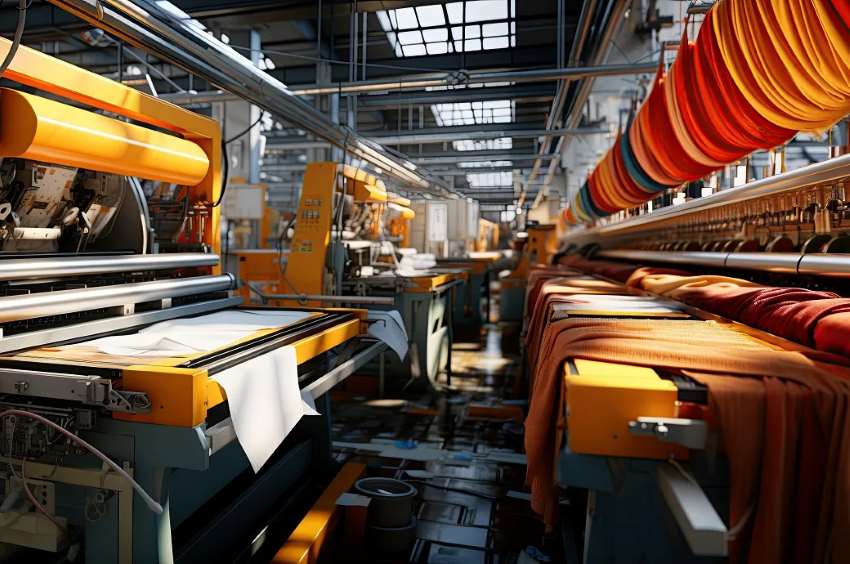
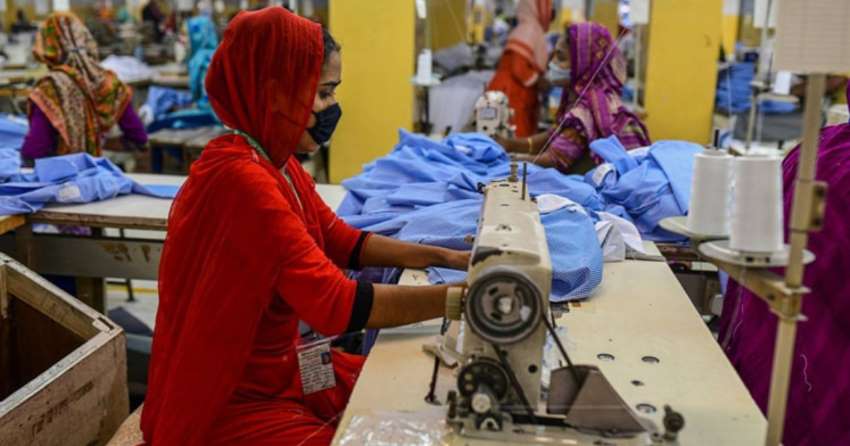
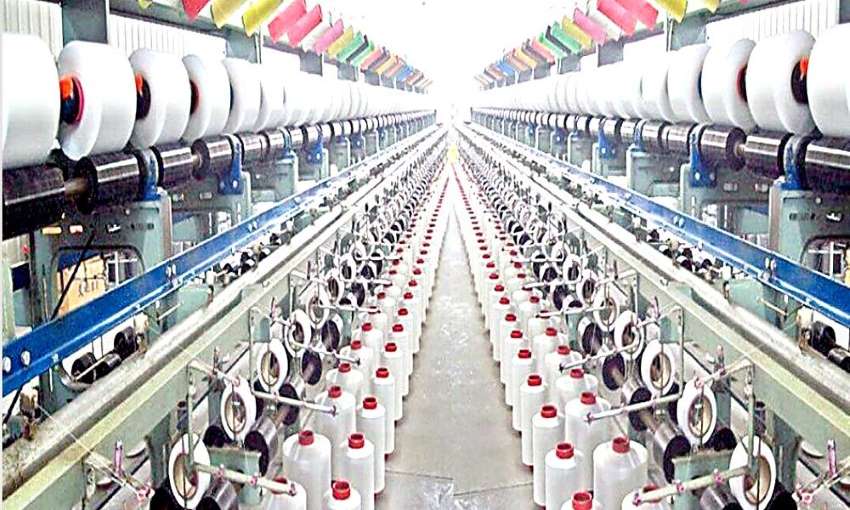
Egyptian textile industry has proven that it is more than up to the task, if only given the chance. According to the country’s central bank statistics, in the decade before Egypt’s 2011 uprising, cotton textile exports increased by about 19 per cent a year on average, having surged from US$108.9 million in 2001-02 to $628.0m by 2010-11.
Exports of ready-made clothes climbed almost as quickly, jumping 17.6 per cent a year, from $187.2m to $771.2m. Since the uprising this growth has come to halt, with exports of cotton textiles increasing by only 3.1 per cent annually in the four years to June 2015, and ready-made clothes by only 1.4 per cent. Textile exports actually contracted in the two years after July 2013, when Mohammed Morsi was removed from power and a degree of political stability was restored. Many smaller companies have shut down entirely.
To be sure, the overvalued pound has not caused all the problems, according to Mohamed Kassem, chairman of the Ready Made Garments Export Council of Egypt. The government raised the prices of electricity and natural gas in July 2014, with those paid by industry rising especially sharply. Labour and water bills also increased, and because of security concerns the government has made it harder to import many chemicals. All this has happened at a time when textile prices were falling around the world.
According to Kassem, the biggest problem remains that the strong pound is pricing Egyptian textiles out of the export market. The exchange rate is at the top of the list. Although the Egyptian pound was devalued against the dollar several times last year, since mid-2013 it has actually strengthened against the euro, the currency of one of Egypt’s main export markets. Meanwhile, the currencies of many of Egypt’s competitors have weakened, making their products more attractive.
- 1
- 2
- 3
- 4
- 5
- 6
- 7
- 8
- 9
- 10
Britain’s Forgotten Growth Engine: Why policy gaps are undermining fashion and t…
Britain’s fashion and textile industry, often framed through the lens of creativity and design, is emerging as a case study... Read more
Beyond price rallies structural reform can strengthen India’s cotton economy
India’s cotton economy is entering a decisive phase, where firmer prices and tighter arrivals in the 2026-27 season have given... Read more
Polyester volatility redraws India’s textile industry competitive map across Asi…
India’s synthetic textile industry has entered a phase of cost instability as polyester staple fibre (PSF) prices rise across domestic... Read more
The £7 Billion Question: Who pays for fashion’s ‘free rental’ habit?
The global fashion industry is facing an uncomfortable paradox: its most valuable customers may also be its most destructive. A... Read more
India, China Bangladesh face fresh headwinds as global apparel markets rebalance
Global apparel trade is entering a more uneven recovery phase, with demand growth persisting but losing uniform momentum across major... Read more
Global cotton enters a deficit year in 2026 as supply drop meets logistics risk
The global cotton economy has entered a fragile and sensitive phase. Early projections for the 2026-27 season suggest that world... Read more
India’s textile trade gets a Pacific push as New Zealand FTA removes tariff barr…
India and New Zealand have inked a ‘once-in-a-generation’ Free Trade Agreement (FTA), one that will have a profound impact on... Read more
Lululemon’s world-first nylon circularity push signals a new apparel arms race
The global apparel industry’s circularity narrative is entering a more technically demanding phase. Polyester recycling once the flagship of sustainable... Read more
Beyond the DTC Rush: Levi’s hybrid channel strategy sets a new retail benchmark
The global apparel sector is entering a phase where channel strategy is no longer a tactical lever but a core... Read more
The New Rules of Resale: EPR turning secondhand into fashion’s strategic growth …
The global fashion industry is facing a decisive regulatory and commercial reset. What began as a sustainability narrative around reuse... Read more