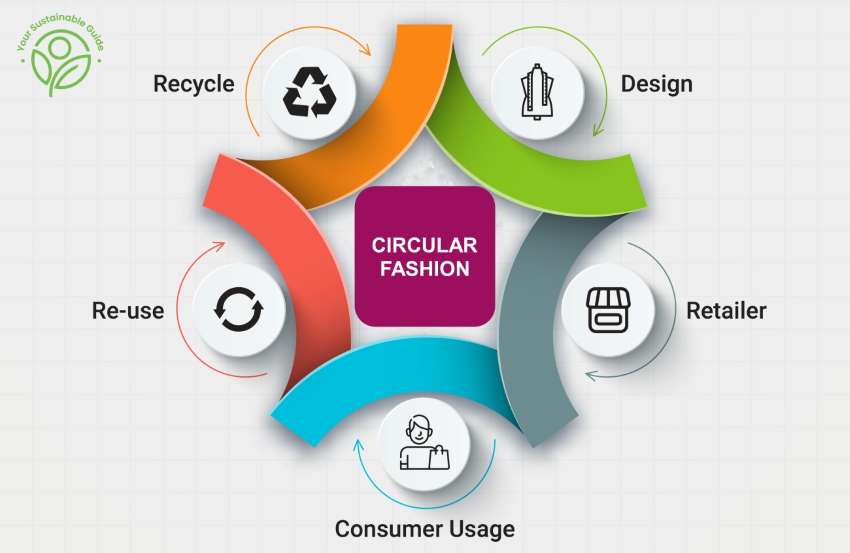
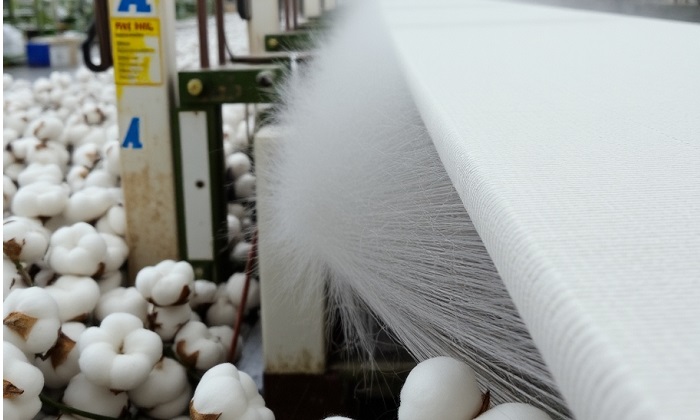
In recent years, trends have been slowly shifting from disposable fashion to sustainable clothing. Organizations have been working to increase awareness about the environmental impacts of apparel development, including energy use, greenhouse gas emissions, waste production as well as labor issues.
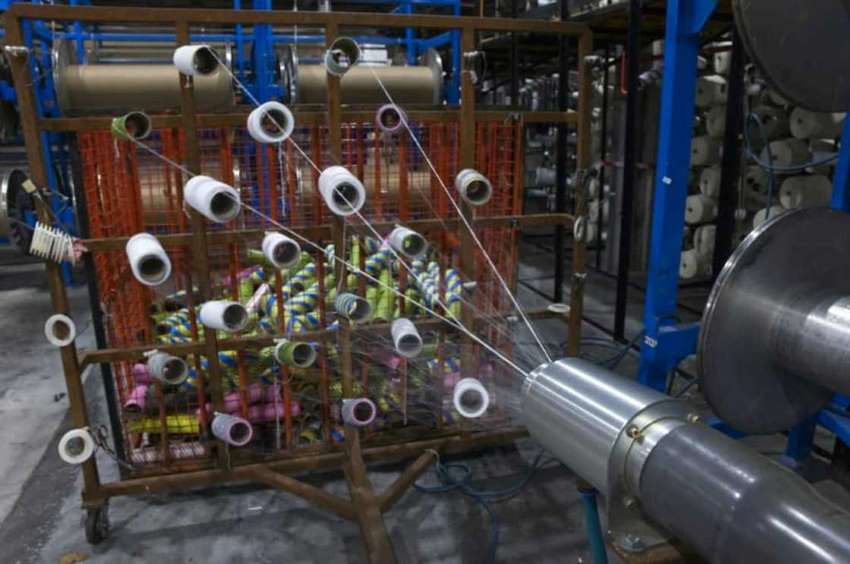
Using recycled products contributes greatly to creating sustainable clothing. For example, recycled polyester can be created from used drinking bottles and fabrics can be made from recycled yarn. Companies are using these recycling techniques. Other companies use fabric waste generated from the production process to create their collections, calling this process up cycling rather than recycling.
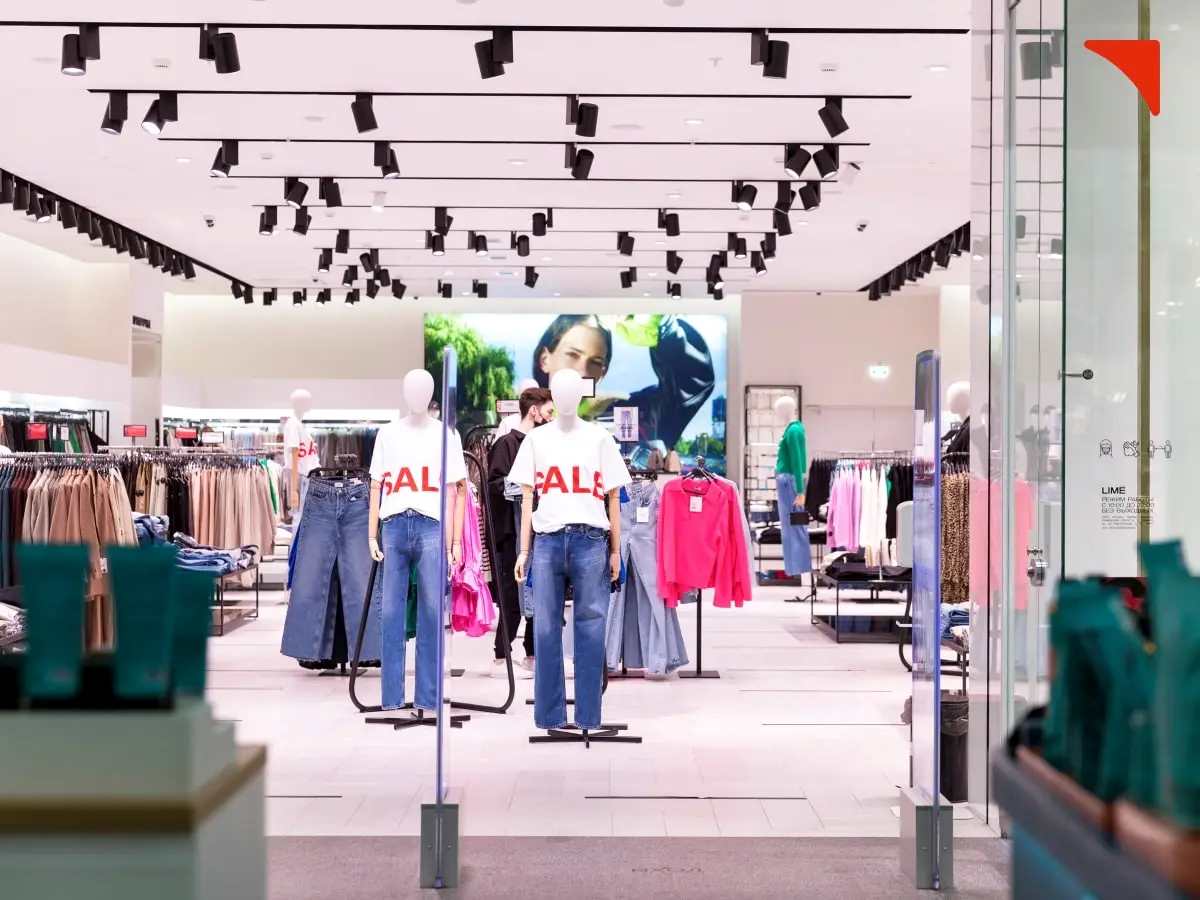
In the late 1990s, the fast fashion trend boomed. Globalization allowed for production to be sent to developing nations where labor and production were cheap and abundant, but the sustainability of the clothing decreased. Brands began putting out up to 18 lines a year as opposed to the traditional two and the rate at which people were purchasing clothing dramatically increased as well as the amount of clothes that end up in landfills.
Fast fashion is a lot like fast food: the garments are cheap, quickly produced, and may be fulfilling for a short amount of time, but eventually take their toll on the environment around us, the way fast food takes a toll on the body.
- 1
- 2
- 3
- 4
- 5
- 6
- 7
- 8
- 9
- 10
Intertex Milano 2026 - A global nexus for textile innovation
Intertex Milano is set to return this summer, confirming its status as a premier international destination for the textile and... Read more
Primark at crossroads as AB Foods weighs spin-off amid digital and Lefties press…
The long-standing supremacy of Europe’s budget fashion champion, Primark, is facing a test. As of February 2026, Associated British Foods... Read more
Vietnam, Bangladesh, Cambodia drive US apparel imports in 2025
The 2025 year-end data for the US apparel sector reveals an industry in structural flux. Despite aggressive tariff measures and... Read more
The New Dress Code: Sportswear’s takeover of modern wardrobes
For much of the last decade, fashion retail has been defined by volatility. Trends have shortened, discount cycles have intensified... Read more
Hemp finds its moment in India’s $500 billion American trade calculus
In the grand arithmetic of India’s expanding trade engagement with the US, the headlines usually gravitate toward oil cargoes, aircraft... Read more
EU PET spunbond imports under scrutiny, misclassification sparks regulatory and …
The European nonwovens and technical textiles sector is facing an unprecedented compliance crisis as a rise of customs misclassification threatens... Read more
From atelier to algorithm, Gucci is redefining premium marketing
As Milan welcomes the Primavera 2026 fashion calendar, the spotlight is fixed not just on the runway but on Gucci,... Read more
America’s Store Split: Why discount retailers are winning as department stores s…
By early 2026, the American retail industry no longer resembles a single marketplace moving in one direction. It feels more... Read more
Europe’s Textile Crisis: The sovereign fibre trap and the race against China
By early 2026, the European textile and apparel sector finds itself at a crossroads that challenges traditional market logic. Unlike... Read more
A 50-Day Voyage: How Middle East conflict is repricing every shirt Asia ships to…
The global textile industry has always lived with thin margins, long lead times, and unforgiving working-capital cycles. But the latest... Read more