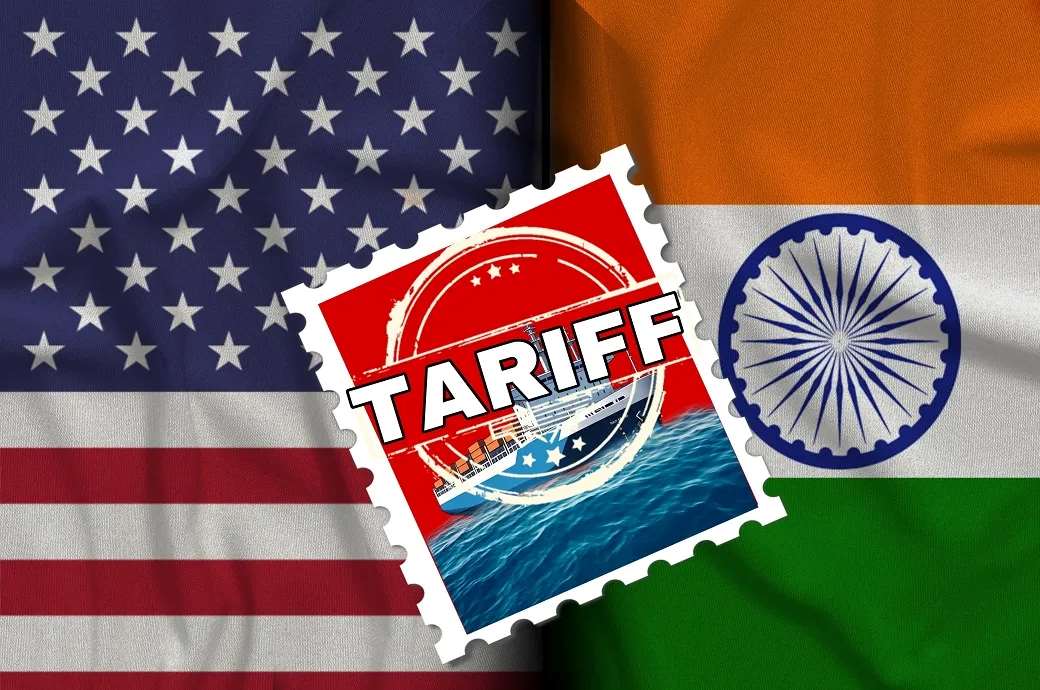
Indian apparel and textile exporters are grappling with a "perfect storm" this week as the central government unexpectedly halved benefits under the Remission of Duties and Taxes on Exported Products (RoDTEP) scheme. The notification, issued by the Directorate General of Foreign Trade (DGFT) on February 23, 2026, slashes notified rates and value caps by 50% with immediate effect. This fiscal contraction arrives at a precarious moment: just days after the US trade landscape shifted from a 10% global surcharge to a more aggressive 15% tariff, leaving billions in existing order books vulnerable to sudden margin erosion.
Fiscal squeeze meets global protectionism
The move to rationalize RoDTEP benefits is a direct fallout of the FY27 Union Budget, which saw the scheme’s allocation plummet from ₹18,233 crore to just ₹10,000 crore. For the textile sector—a high-volume, low-margin industry—this isn’t just a policy adjustment; it’s a direct hit to price competitiveness.
Industry veterans warn that because RoDTEP is designed to neutralize domestic taxes that cannot be recovered otherwise, cutting these rates is equivalent to exporting Indian taxes to global markets. In a sector where a 1% cost difference can determine whether a contract stays in India or moves to Vietnam or Bangladesh, a 50% reduction in tax remission is a significant blow.
|
Indicator |
FY2025-26 (Actuals) |
FY2026-27 (Budgeted) |
% Change |
|
RoDTEP Allocation |
₹18,233 Crore |
₹10,000 Crore |
-45.15% |
|
Max RoDTEP Rate |
4.30% |
2.15% |
-50.00% |
|
Cotton Staple Cap |
₹1.60/kg |
₹0.80/kg |
-50.00% |
The 150-Day US tariff seesaw
Compounding the domestic subsidy cut is the erratic trade signals coming from Washington. Following a US Supreme Court ruling that struck down previous "emergency" tariffs, the Trump administration initially signaled a 10% global surcharge under Section 122 of the Trade Act of 1974. However, within 24 hours, that figure was revised upward to 15%, effective February 24, 2026.
While this 15% rate is currently the ceiling permitted under Section 122 for a 150-day window, the lack of a permanent bilateral deal leaves Indian goods in a "no-man's land" of pricing. The Global Trade Research Initiative (GTRI) notes that Indian exporters are currently rushing shipments to beat further escalations, yet they now find themselves doing so with significantly reduced domestic support.
Apparel hubs in the crosshairs
For apparel clusters in Tirupur, Noida, and Ludhiana, the timing is "deeply disturbing." Many exporters had already locked in prices for the upcoming spring-summer season based on previous RoDTEP rates. The "immediate effect" of the DGFT notification means that shipments currently at ports or in mid-production will no longer fetch the expected rebates.
According to data from the Confederation of Indian Textile Industry (CITI), combined textile and apparel exports already fell by 3.75% in January 2026 to $3.27 billion. This trend is expected to worsen as the effective tax burden rises.
Consider cas of a cotton exporter
A mid-sized cotton yarn exporter typically operates on a net margin of 3-4%. Previously, a RoDTEP rebate of 3% acted as their primary profit buffer, allowing them to price a unit at ₹97 instead of ₹100 to remain competitive against Vietnamese suppliers. With the rebate now slashed to 1.5%, their effective cost jumps to ₹98.5. In the high-volume US retail market, this 1.5% hike is often enough for a buyer to shift the entire seasonal contract to a duty-exempt competitor like Bangladesh.
The textile & apparel Sector outlook
The Indian textile and apparel industry remains the nation’s second-largest employer, specializing in cotton-based garments and home textiles. Key hubs like Tirupur dominate the US market, which accounts for nearly 30% of India's apparel exports. Despite a marginal 0.61% growth in overall merchandise exports in January 2026, the sector’s share in the total export basket slipped from 9.37% to 8.96%.
The immediate financial outlook is clouded by a widening trade deficit, reaching $34.68 billion in January. Ratings agency ICRA has recently revised the apparel export outlook to "Negative," forecasting a revenue shrink of 6-9% in FY27 if current tariff pressures and subsidy cuts persist. Historically a resilient pillar of Indian trade, the sector now faces a transition period where it must survive on thinner margins until a stable India-US trade framework is finalized.