Gap, the clothing retailer reported another quarter of declining sales recently, a sign of deepening trouble in its battle to keep up with fast fashion and online retailers.
The 47-year old apparel maker Gap, known for its trademark blue denim, khakis and other mostly youth-oriented looks, saw sales fall at all three its store brands: Gap, Banana Republic and Old Navy.
In the first quarter, sales fell 6.0 percent to $3.44 billion, with Banana Republic sinking the most at 11 percent. Old Navy, the group's cheapest line mostly aimed at children and teens, outperformed its sister chains for most of 2015.
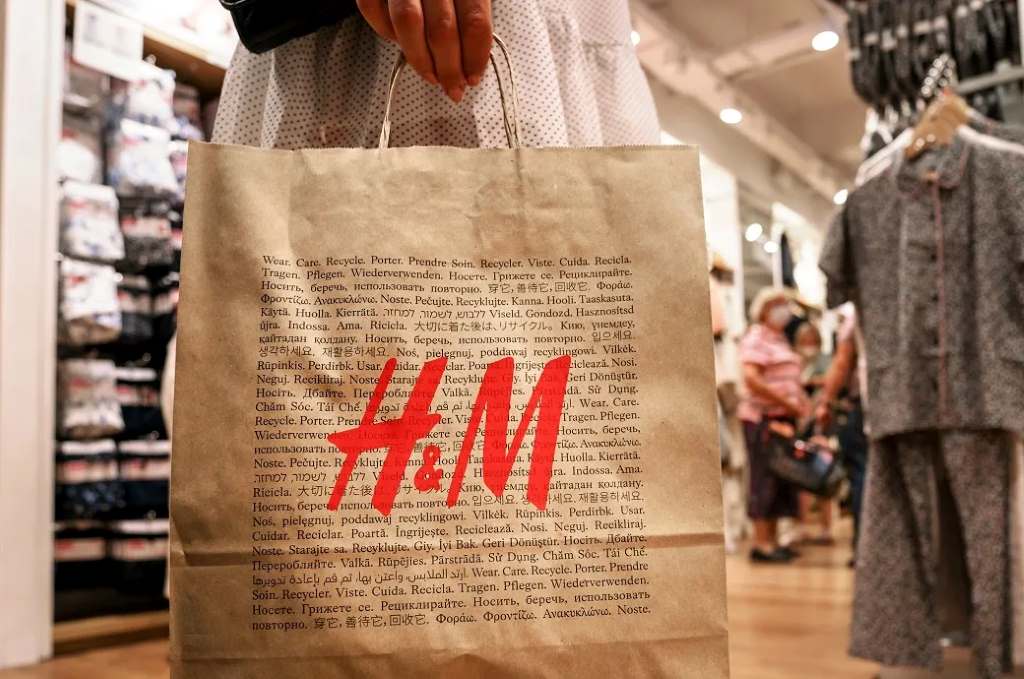
Key challenges for all three though include toughened competition from H&M, Uniqlo and other fast fashion chains, as well as the headwinds from a broader tilt against brick-and-mortar stores as more shoppers go online.
A year ago Gap announced plans to cut 175 namesake stores in North America, pledged renewed focus to streamline its operations and whittle its presence internationally to the most promising markets.
According to chief executive Art Peck, the industry is evolving and they should transform at a faster pace, while focusing their energy on what matters most to their customers.Peck said more details would be revealed when the company reports earnings on May 19.
- 1
- 2
- 3
- 4
- 5
- 6
- 7
- 8
- 9
- 10
New Australian Wardrobe Economy: Where AI, sustainability, e-commerce converge
Australia’s fashion and apparel industry is no longer defined by post-pandemic recovery; it has entered a transformative phase. According to... Read more
Intertextile Shenzhen 2026- Pioneering the AI-driven future of fashion technolog…
The global textile industry is descending upon the Shenzhen Convention & Exhibition Center from June 9–11, 2026, for the highly... Read more
Yarn Expo Shenzhen 2026: GBA connectivity and AI innovation drive mid-year sourc…
The global textile industry is preparing for a strategic return to the South China manufacturing heartland as Yarn Expo Shenzhen... Read more
Indo-Dutch alliance targets textile circularity as global green jobs hit 142 mn
Netherlands and India formalized a roadmap to scale circular design and textile recycling. At the FICCI RECEIC Global Symposium 2026... Read more
Redefining what responsible production looks like
India's textile and apparel sector has set the global benchmark for sustainability at scale, and two clusters are leading the... Read more
China’s duty-free revival meets a reality check as Hainan shifts from VICs to va…
Hainan’s retail recovery is beginning to look less like a cyclical rebound and more like a rewiring of China’s domestic... Read more
Zombie inventory and shrinking margins inside China’s fashion returns meltdown
China’s digital fashion market, long celebrated as the world’s most sophisticated test bed for e-commerce innovation, is facing a destabilising... Read more
Circularity by Design: How EU rules are turning data into fashion’s new currency
The European fashion sector has entered a compressed transition window. Two regulatory confirmations: the revised EU Textile Labelling Regulation (effective... Read more
The Lyst Reset: Chanel and Dior rewrite luxury’s power index
The global luxury hierarchy has been quietly rewritten, and not by sales alone. In Q1 2026, Chanel rose to the... Read more
Inventory, not expansion, defines winners in global apparel
The 2025 fiscal year has crystallised that revenue growth and operational health are no longer moving in tandem. In an... Read more