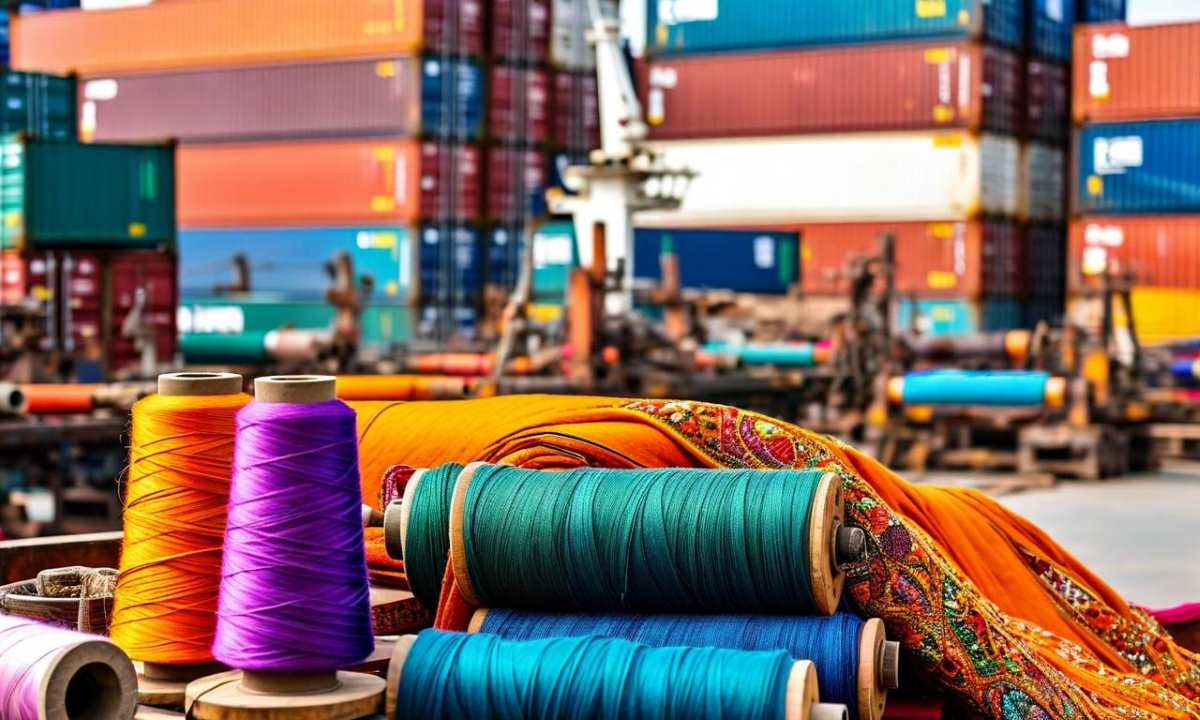
The textile manufacturing sector in Bhilwara, Rajasthan is currently navigating severe operational headwinds as the escalating conflict in West Asia disrupts critical trade routes. Industry representatives report, fabric and yarn shipments valued between Rs 800 crore and Rs 1,000 crore are currently stalled, either held at manufacturing sites or delayed at major ports like Mundra and Kandla. The primary challenge stems from significant shipping constraints, with maritime vessels rerouting to avoid volatile zones in the Gulf and the Red Sea. Consequently, transit times for shipments bound for European and Gulf markets have surged by two to three weeks, forcing manufacturers to contend with sharply elevated ocean freight rates and increased marine insurance premiums.
Market uncertainty and operational pressures
Beyond logistical delays, the sector is experiencing a contraction in new business as international buyers temporarily pause order placement amid regional instability. Export orders are being deferred, and the prevailing uncertainty is impacting business sentiment across the cluster, notes RK Jain, General Secretary, Mewar Chamber of Commerce and Industry. For Bhilwara’s 450-plus fabric units and denim manufacturers, the conflict has created a dual-pressure environment of softening overseas demand and inflated input costs for petrochemical-based synthetic fibers.
With the region heavily reliant on these routes, prolonged geopolitical instability threatens to erode margins and challenge production stability for the cluster's workforce of over two lakh people.
Bhilwara is a cornerstone of India’s textile industry, renowned for its extensive fabric production, spinning mills, and denim manufacturing. The hub traditionally serves key markets in the Gulf, Europe, and Bangladesh. Industry leaders are currently prioritizing supply chain resilience and exploring diversified logistics strategies to mitigate these geopolitical risks.