Valued at $217.84 billion in 2025, the global kids apparel market is on a trajectory to reach $322.53 billion by 2035. This steady 4.0 per cent annual growth is being propelled by a sophisticated shift in parental priorities that favor durability and ethical production over ‘fast fashion’ disposability. Undergoing a fundamental transformation, the market is evolving from a traditional commodity market into a high-tech, sustainability-focused industry. The industry is seeing a massive migration toward eco-friendly materials and ‘smart’ textiles that offer functional benefits beyond simple aesthetics.
Material innovation and the rise of smart textiles
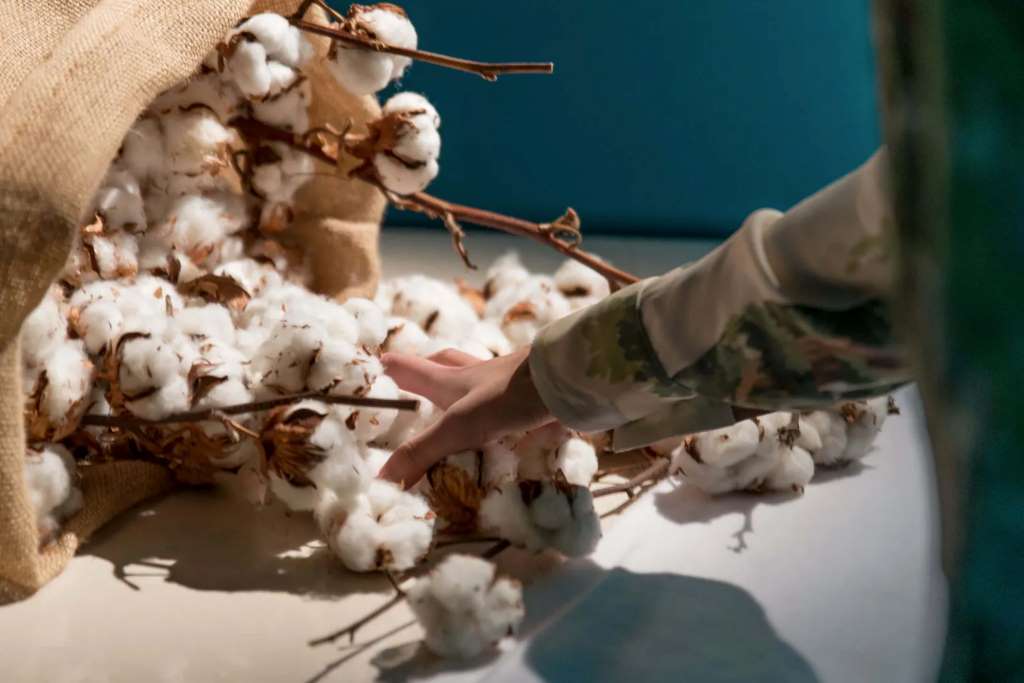
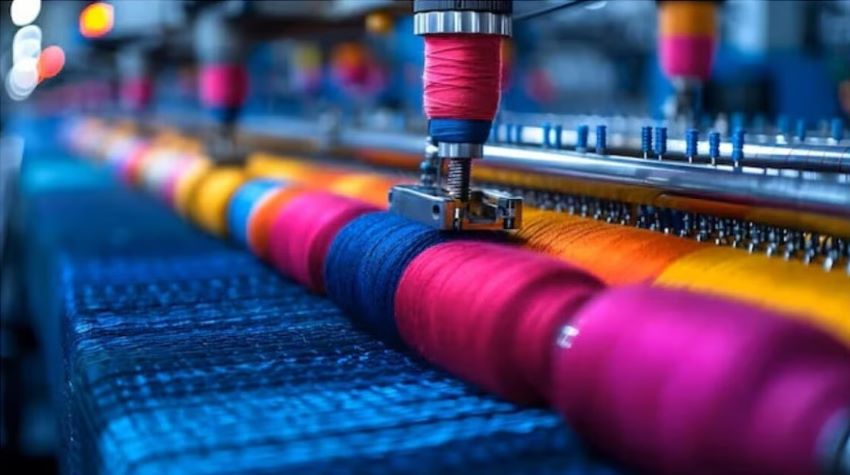
The integration of advanced textile technology is moving from the fringes to the mainstream. Brands are increasingly pivoting to organic cotton, bamboo fibers, and recycled polyesters to satisfy stringent safety protocols and environmental concerns. Beyond sustainability, ‘smart textiles’ are emerging as a significant value-add. Innovations such as temperature-regulating fabrics, UV-protective coatings, and stain-resistant nanotechnology are becoming standard features in premium children's wear. These functional advancements allow garments to adapt to a child’s active lifestyle, providing a tangible justification for the premium pricing often associated with high-quality kids' apparel.
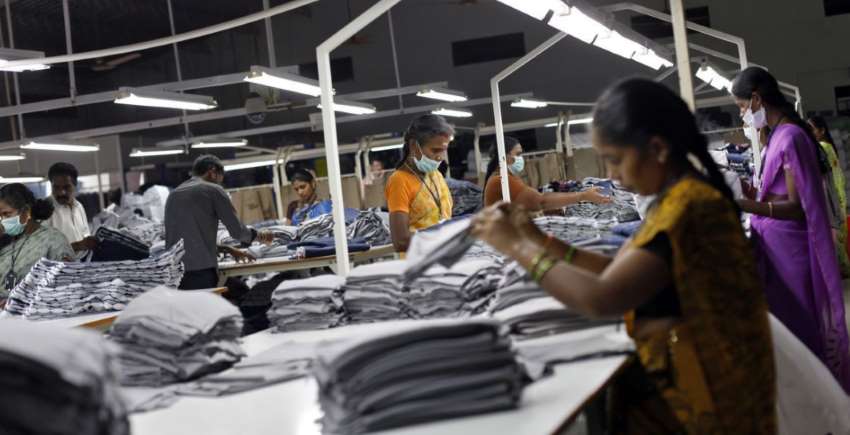
While North America remains a dominant force due to high per-capita spending and a concentrated presence of global brands like Nike, Gap, and Carter’s, the Asia-Pacific (APAC) region is set to witness the most aggressive expansion. Urbanization and rising disposable incomes in India and China are creating a burgeoning middle class with an aspirational focus on branded kidswear. European markets follow closely, distinguished by a mature consumer base that leads the world in the adoption of sustainable clothing practices and circular fashion models. This regional diversification is forcing global players to adopt localized omnichannel strategies, blending physical specialty stores with robust digital platforms.
This shift toward ethical resilience is becoming a key differentiator, as brands that successfully communicate their sustainability credentials are the ones securing long-term consumer loyalty in an increasingly crowded global landscape.
The kids apparel industry encompasses a wide range of products - from infant sleepwear to pre-teen activewear - serving a demographic that requires frequent wardrobe updates due to rapid physical growth.