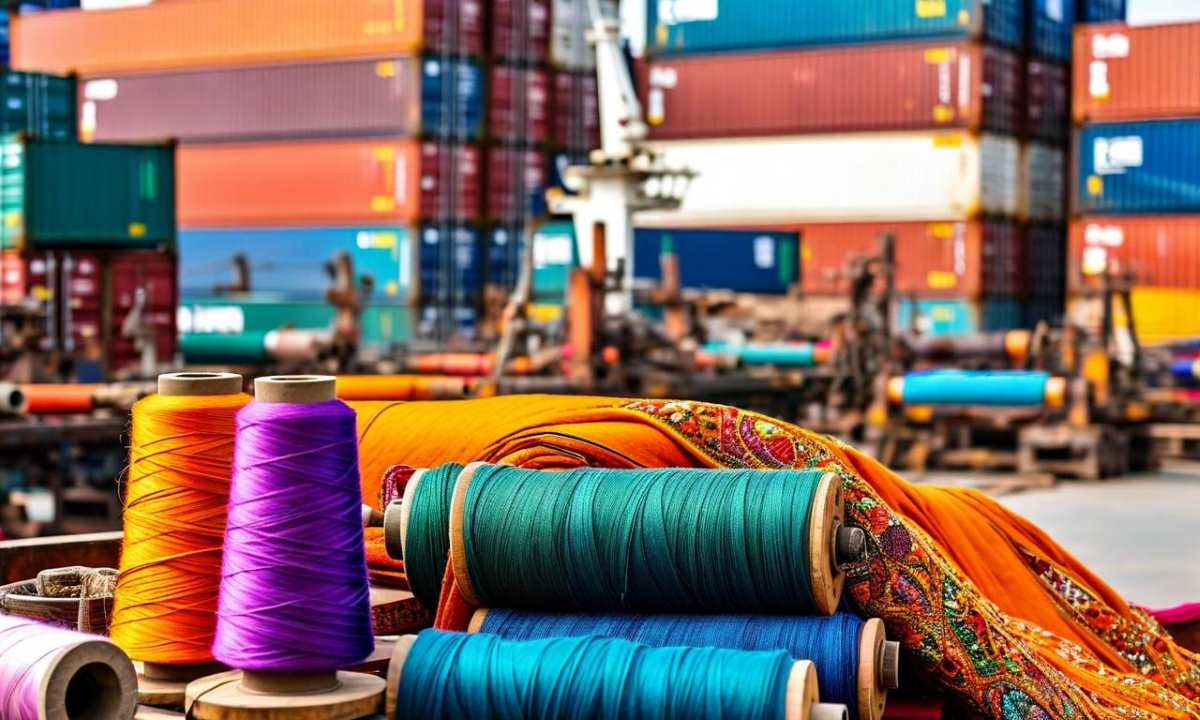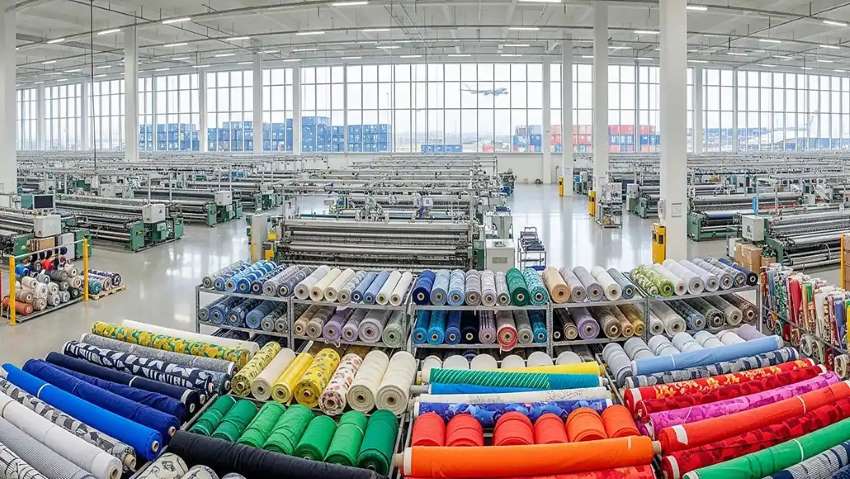
Global fashion and consumer goods supply chains are entering a decisive regulatory transition as Extended Producer Responsibility (EPR) frameworks for textiles move from policy design to enforceable market. According to the ‘Mapping of Global Extended Producer Responsibility (EPR) for Textiles’ report by the Global Fashion Agenda, governments across Europe, the Americas, and Asia are rapidly converting voluntary sustainability commitments into binding statutory obligations. The shift is deciding how apparel companies account for end-of-life garment costs, moving textile waste from a municipal burden to a producer-level financial liability embedded directly into operating margins.
As regulatory frameworks mature, end-of-life management is no longer treated as an external environmental issue but as a core cost variable, one that directly influences pricing strategy, procurement models, and product design decisions. At the centre of this is the growing role of Global Fashion Agenda, which has tracked how jurisdictions are synchronising enforcement timelines while diverging in implementation mechanics.
Compliance a balance sheet variable, not a CSR exercise
Commercial and municipal data trends indicate that post-consumer textile volumes are rising steadily, placing mounting pressure on waste collection systems. Under emerging EPR regimes, this pressure is being structurally redirected back to producers through mandatory fees, recycling obligations, and traceability requirements. Rather than relying on voluntary corporate sustainability programs, regulators are now implementing enforceable cost-transfer mechanisms. These frameworks are designed to shift financial responsibility for collection, sorting, and recycling from municipal authorities to brand owners.
This shift effectively converts environmental exposure into a predictable production cost. For retailers, this means environmental compliance is no longer discretionary or reputational it is becoming embedded in unit economics. Analysts say companies failing to internalize these liabilities into product pricing models risk sustained margin compression, particularly as environmental levies expand across key consumer markets.
Fragmented regional rulebooks redefine supply chain
The global regulatory environment is not integrating into a single model. Instead, it is fragmenting into regional enforcement systems that differ significantly in scope and operational requirements. Europe is increasing mandatory infrastructure investments in automated textile sorting and digital traceability systems. The Americas are prioritizing collection efficiency metrics and minimum recycled content thresholds, placing pressure on upstream sourcing decisions. In Asia, policy frameworks are aligning industrial production quotas with recycling and waste-processing integration targets.
This difference is creating a multi-layer compliance environment that complicates inventory planning and cross-border distribution. Apparel brands operating global supply chains must now reconcile multiple regulatory definitions of compliance for the same product category. The result is a growing requirement for digital product identification systems enabling item-level tracking across production, retail, and post-consumer stages. Without such systems, firms face escalating audit risk and potential penalties tied to inaccurate reporting of material composition and recovery rates.
From linear production to circular cost engineering
The operational implications of EPR enforcement are forcing a redesign of core supply chain logic. Traditional linear models based on production, consumption, and disposal are being replaced by circular system that integrate recovery and recycling at the design stage.
|
Operational pillar |
Legacy model |
EPR-compliant model |
|
Product Engineering |
Virgin material blending for cost efficiency |
Monomaterial design enabling easier recycling |
|
Supply Chain Structure |
Linear flow from production to landfill |
Closed-loop recovery and collection integration |
|
Financial Liability |
End-of-life waste externalized |
Per-unit environmental cost internalized in pricing |
This shift is redefining how value is measured across the apparel lifecycle. Product design teams are prioritising recyclability over aesthetic or short-term cost optimisation, while procurement divisions are reassessing supplier contracts based on circular compatibility. Financially, environmental obligations are moving from off-balance-sheet externalities to direct cost inputs, reshaping profitability models across mid- and large-scale fashion enterprises.
Recycling infrastructure gap emerges a core issue
Despite growing regulatory momentum, the supporting infrastructure for textile recycling remains underdeveloped. Chemical recycling systems for blended fibres remain capital intensive and unevenly distributed, limiting scalability. This mismatch between regulatory ambition and industrial capacity is creating a bottleneck in compliance execution. Brands are responding by redesigning materials to reduce complexity in downstream processing, particularly by limiting blended synthetics and increasing mono-fibre usage.
At the same time, strategic partnerships between apparel companies and waste management operators are emerging as a mechanism to secure long-term access to sorting and recycling capacity. These joint ventures are being structured to lock in processing volumes ahead of anticipated surges in compliance-driven demand.
Market implication
The shift from voluntary sustainability frameworks to enforceable EPR systems is a structural one for retail economics rather than a compliance adjustment. As one industry briefing notes, companies that fail to integrate garment recovery costs into fixed production assumptions risk rapid erosion of market valuation within a short operational cycle. The defining challenge is not regulatory interpretation but capital allocation specifically, how brands finance redesign, infrastructure upgrades, and reverse logistics systems simultaneously.
Circularity is therefore no longer a design philosophy. It is becoming a capital-intensive operational requirement embedded in pricing, sourcing, and logistics strategy. The outcome is a global retail landscape where environmental regulation functions as a primary determinant of competitive positioning, reshaping both cost structures and supply chain geography over the next investment cycle.