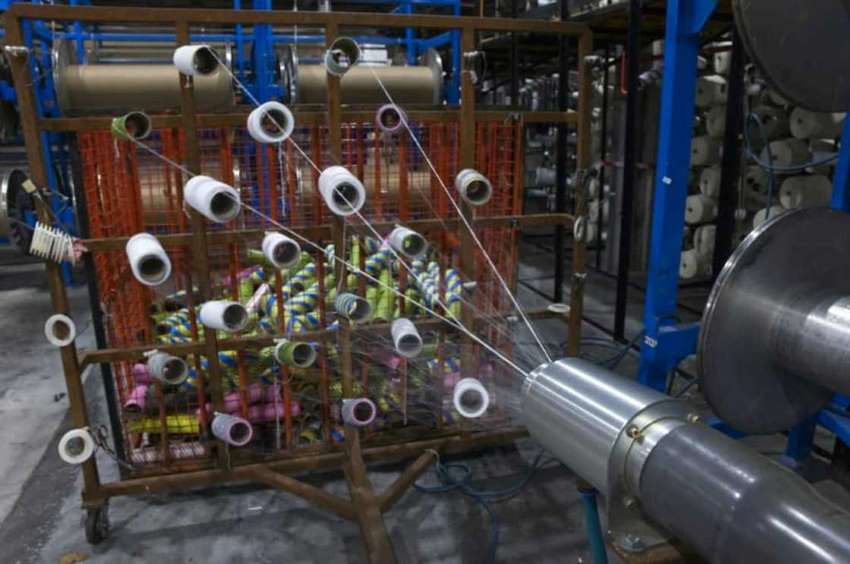
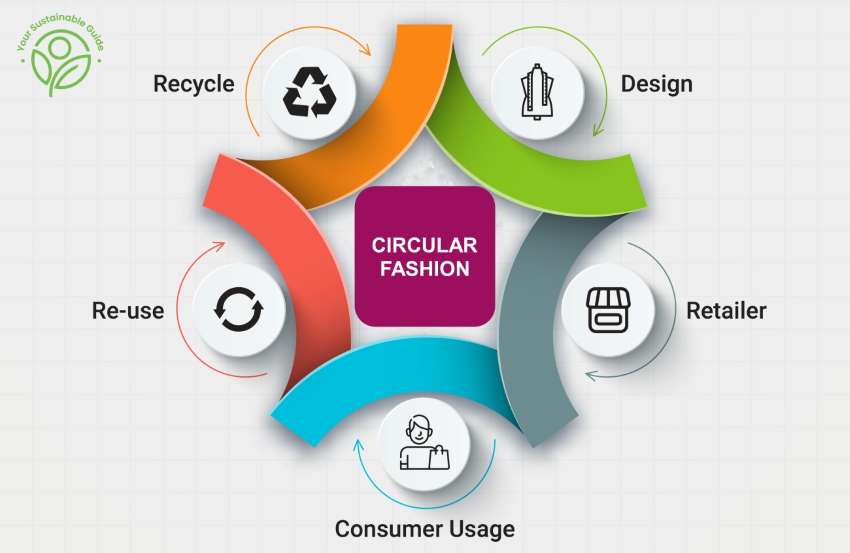
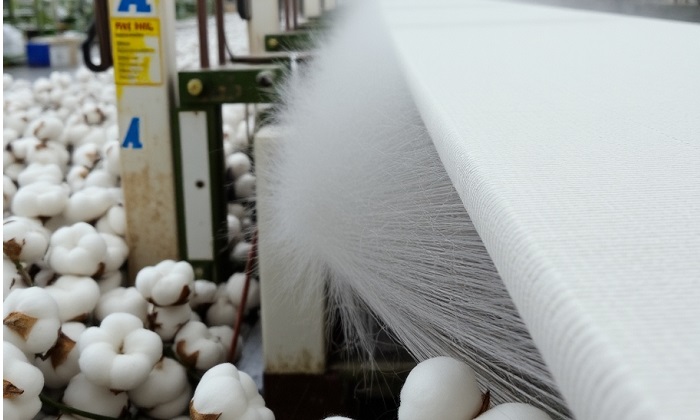
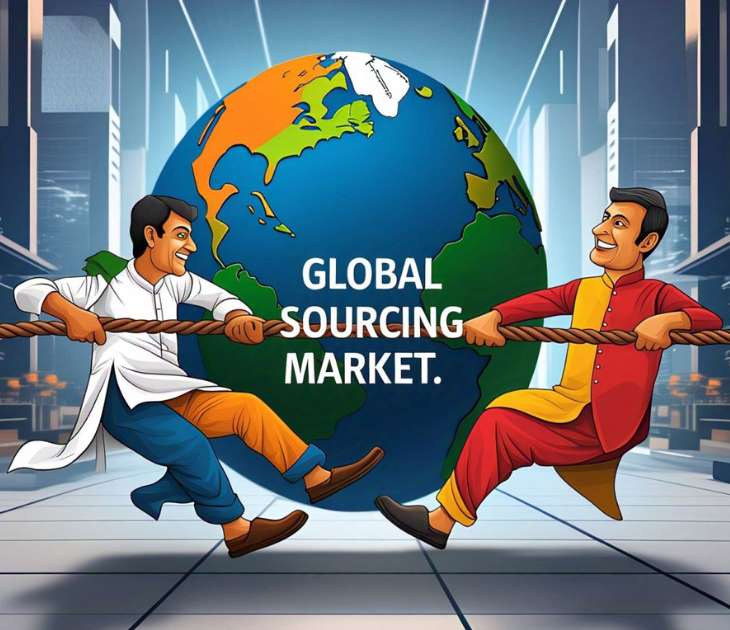
Indian-Dutch partner organisations are working toward the goal of sustainable and inclusive decision making. One example is the Circular Yarn Initiative which sees Indian and Dutch textile companies joining forces to produce circular textiles for the European market. This is achieved by pooling resources and expertise to incorporate innovative techniques in the supply chain to turn textile waste into new high quality materials.
Indus is an entrepreneurial network which aims to improve sustainable and inclusive innovations in both Indian and Dutch businesses and is made possible through the support of MVO Nederland, the Dutch Embassy in India, Center for Responsible Business, Indian Institute for Corporate Affairs, TERI and CII-ITC Centre of Excellence for Sustainable Development.
India and the Netherlands are collaborating in areas including agribusiness and horticulture, water management and sustainable business. Netherlands is a huge importer of fabrics and also a champion of labor and environment issues. It pursues a successful environmental policy that is resulting in cleaner rivers, reduction in carbon emissions, reduction in waste streams, and the cleanup of contaminated soil.
National environmental policy is directed to contributing to sustainable economic development and to the health and safety of people by maintaining and improving the quality of the environment.
- 1
- 2
- 3
- 4
- 5
- 6
- 7
- 8
- 9
- 10
Turning the supply chain upside down, on-demand production reshapes apparel
The global fashion industry, long celebrated for its creativity and scale, is facing a structural reckoning. For decades, retailers and... Read more
Intertex Milano 2026 - A global nexus for textile innovation
Intertex Milano is set to return this summer, confirming its status as a premier international destination for the textile and... Read more
Primark at crossroads as AB Foods weighs spin-off amid digital and Lefties press…
The long-standing supremacy of Europe’s budget fashion champion, Primark, is facing a test. As of February 2026, Associated British Foods... Read more
Vietnam, Bangladesh, Cambodia drive US apparel imports in 2025
The 2025 year-end data for the US apparel sector reveals an industry in structural flux. Despite aggressive tariff measures and... Read more
The New Dress Code: Sportswear’s takeover of modern wardrobes
For much of the last decade, fashion retail has been defined by volatility. Trends have shortened, discount cycles have intensified... Read more
Hemp finds its moment in India’s $500 billion American trade calculus
In the grand arithmetic of India’s expanding trade engagement with the US, the headlines usually gravitate toward oil cargoes, aircraft... Read more
EU PET spunbond imports under scrutiny, misclassification sparks regulatory and …
The European nonwovens and technical textiles sector is facing an unprecedented compliance crisis as a rise of customs misclassification threatens... Read more
From atelier to algorithm, Gucci is redefining premium marketing
As Milan welcomes the Primavera 2026 fashion calendar, the spotlight is fixed not just on the runway but on Gucci,... Read more
America’s Store Split: Why discount retailers are winning as department stores s…
By early 2026, the American retail industry no longer resembles a single marketplace moving in one direction. It feels more... Read more
Europe’s Textile Crisis: The sovereign fibre trap and the race against China
By early 2026, the European textile and apparel sector finds itself at a crossroads that challenges traditional market logic. Unlike... Read more