The Ministry of Environment, Forest and Climate Change has notified the Solid Waste Management (SWM) Rules 2026, a structural move that mandates industrial accountability from April 1. For the textile and apparel sector - which generates approximately 7,800 kilotons of waste annually -the framework marks the end of municipal-led disposal and the beginning of rigorous corporate compliance.
Mandated segregation and economic thresholds
Under the new regime, any garment factory or industrial park exceeding 20,000 sq m of built-up area or generating over 100 kg of waste daily is classified as a Bulk Waste Generator. These entities must now implement a mandatory four-stream segregation process: wet, dry, sanitary, and special care waste. This is a decisive shift toward auditable supply chains, notes an industry analyst. The rules also introduce Extended Bulk Waste Generator Responsibility (EBWGR), compelling units to process wet waste on-site or procure compliance certificates, thereby integrating environmental overheads directly into operational balance sheets.
Fuel substitution and export competitiveness
A critical development for the $248 billion textile market is the mandate for industrial units using solid fuels to substitute a portion of their energy intake with Refuse-Derived Fuel (RDF). Starting at a 6 per cent substitution rate in April 2026, this will scale to 15 per cent over six years, incentivizing the conversion of non-recyclable textile scraps into energy. This regulatory hardening arrives as Indian apparel exports seek to leverage 37 Free Trade Agreements (FTAs).
By aligning with global sustainability benchmarks, the industry aims to offset rising compliance costs with enhanced ‘sourcing credibility’ in the EU and US markets, where legislative scrutiny on landfill diversion is intensifying.
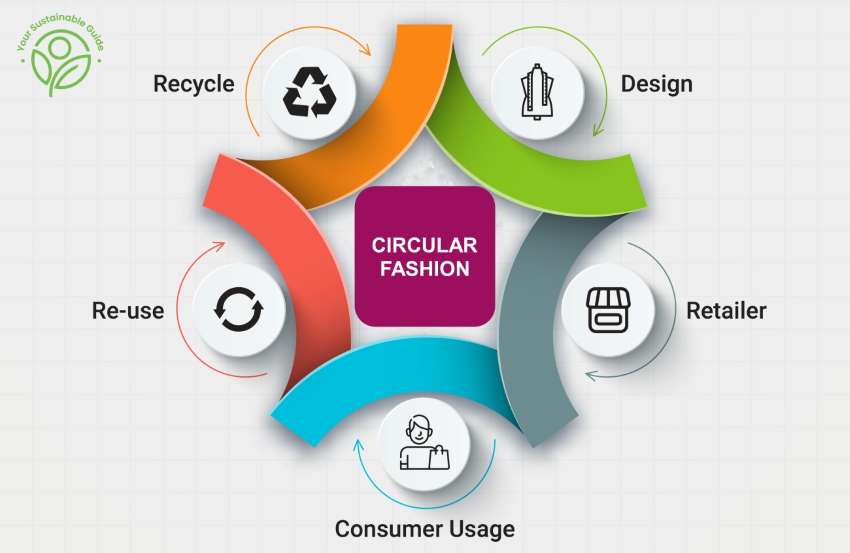
The nation’s second-largest employer, the Indian textile industry is transitioning from a traditional manufacturing hub to a circular economy participant. Focused on high-growth segments like technical textiles and recycled cotton (which holds a 32 per cent recycling market share), the sector targets a $656 billion valuation by 2034. Current growth strategies prioritize digital workflow management and automated cutting to reduce material wastage. While the industry faces near-term margin pressure from new environmental levies, the long-term outlook remains robust, supported by a 10.5 per cent projected revenue increase in FY26 and expanding export footprints in emerging markets.