The Indian textile and apparel industry is actively shifting towards a more robust global footprint as new Free Trade Agreements (FTAs) with the European Union, the UK, and Oman come into effect. Following a steady 2.1 per cent growth in exports to Rs 3.16 lakh crore during FY 2025–26, the sector is leveraging zero-duty market access to reclaim competitiveness in segments ranging from high-value ready-made garments (RMG) to technical textiles. With the EU’s USD 263.5 billion import market now more accessible, exporters are aggressively diversifying away from single-market dependencies, responding to global retailers’ proactive strategies to source beyond traditional hubs like Bangladesh and Vietnam.
Operational resilience and value chain upgradation
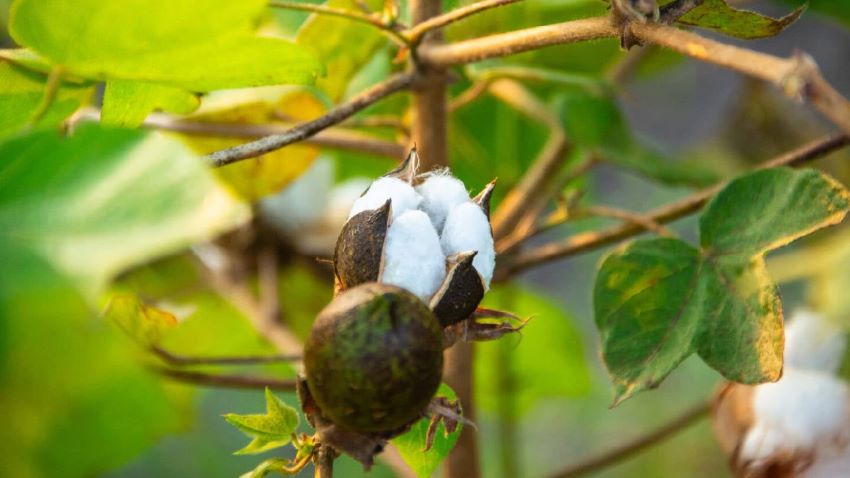
Despite the promising outlook, the sector faces immediate headwinds, including a domestic cotton shortfall estimated at 45 lakh bales and volatile input costs. Industry leaders are focusing on internal structural improvements, moving beyond volume-centric growth to enhance realization rates through technology and sustainable manufacturing. As Pallab Banerjee, Managing Director, Pearl Global Industries notes, buyers are already initiating trial orders, yet capacity constraints remain a bottleneck. To mitigate these risks, major players are increasingly adopting investment-light expansion models and strengthening their ESG-linked manufacturing profiles to align with stringent international compliance standards. As India targets a US$ 100 billion export milestone by 2030, the emphasis remains on fostering a fully integrated ‘farm-to-fashion’ value chain to ensure long-term sector viability.
Focus on value-added exports
The industry encompasses the entire value chain from fiber production to finished apparel. Key markets include North America, Europe, and emerging GCC corridors. With government support via PM MITRA parks and RoSCTL schemes, firms are focusing on value-added exports. Performance remains resilient, anchored by a deep-rooted historical textile legacy.