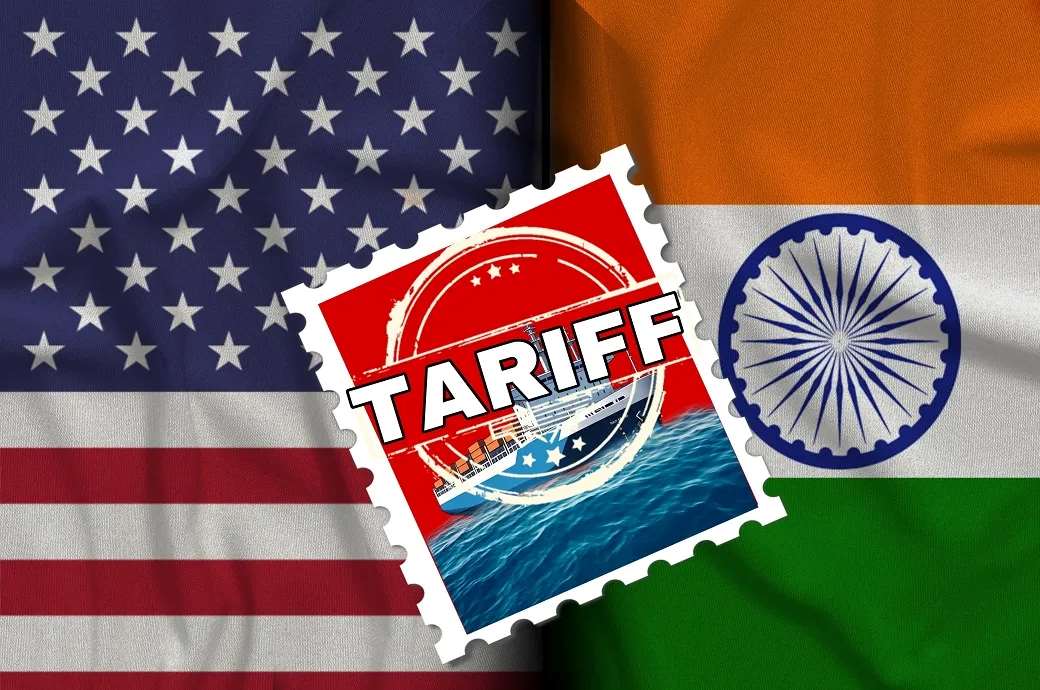
The Indian apparel export landscape is transitioning toward a recovery phase following a period of constrained growth. While shipments grew by a marginal 1.5 per cent in USD terms during the first ten months of FY2026, the sector is preparing for a more robust 8 – 11 per cent expansion in FY2027. This optimistic projection follows a significant downward recalibration of US tariffs, which were reduced to approximately 10 per cent in February 2026 after peaking at 50 per cent earlier in the fiscal year. This policy shift has enabled Indian exporters to regain price competitiveness in the North American market, where volumes had previously contracted by 6 per cent.
Strengthening European footholds and operational efficiency
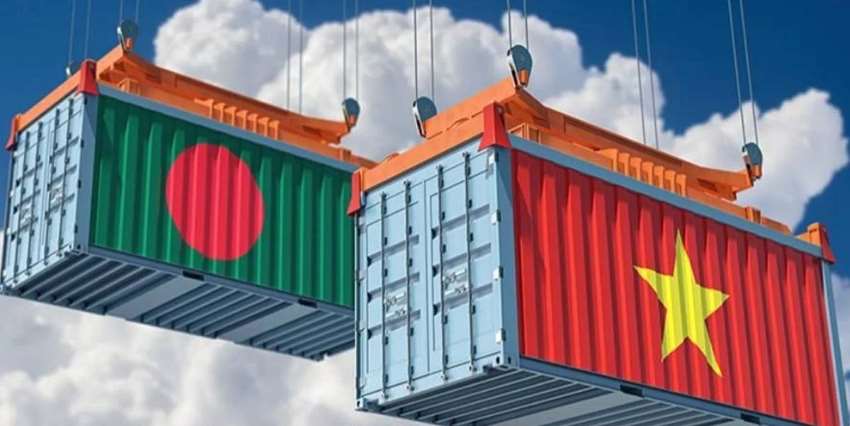
The formalization of Free Trade Agreements (FTAs) with the European Union and the United Kingdom serves as a structural catalyst for the industry. These pacts are anticipated to eliminate duty barriers, providing Indian manufacturers a level playing field against competitors like Bangladesh and Vietnam. Consequently, industry operating margins are forecast to improve by 200 basis points, reaching approximately 9.5 per cent in the coming fiscal year. This financial strengthening is evidenced by a projected recovery in credit metrics, with interest coverage ratios expected to rise to 4.6 times from the 3.3 times observed during the height of the tariff crisis.
Navigating geopolitical bottlenecks in West Asia
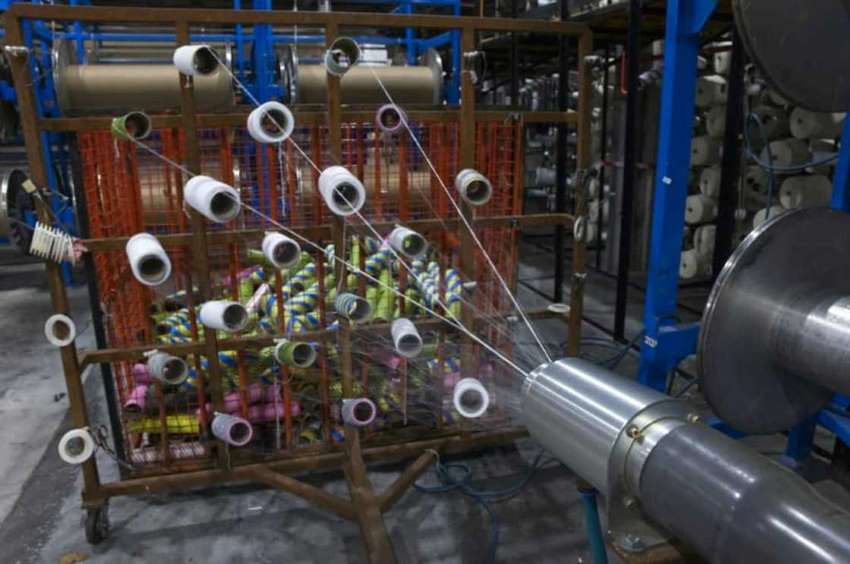
Despite internal fiscal improvements, the sector remains vigilant regarding external supply chain disruptions. Ongoing instability in West Asia has escalated logistics expenditures, with the Apparel Export Promotion Council (AEPC) reporting freight surcharges ranging from Rs 12 to Rs 55 per garment. The rerouting of vessels via the Cape of Good Hope has extended the cash conversion cycle by 15–25 days, complicating working capital management. Furthermore, the volatility in energy markets has disrupted the supply of critical synthetic inputs like polyester, emphasizing the necessity for exporters to diversify maritime routes and enhance inventory resilience to sustain the projected growth momentum.
The Indian textile and apparel industry is a cornerstone of the national economy, contributing 2 per cent to the GDP and supporting over 45 million livelihoods. Dominating in Ready-Made Garments (RMG) and cotton textiles, the sector is shifting toward Man-Made Fibres (MMF) and technical textiles to capture higher global value. Through the PM MITRA initiative, the government is developing mega integrated parks to achieve a $100 billion export target by 2030, leveraging recent FTAs to pivot from traditional commodity exports toward high-fashion, compliant manufacturing.