Indonesia intends to voice its concerns and negotiate a few issues with the Trans-Pacific Partnership (TPP) signatories before officially joining the US-led multilateral trade cooperation. It would take another year for TPP ratification to complete and during that time the country would thoroughly discuss its concerns surrounding the TPP. Under the state-owned enterprises clause, the TPP treaty requires member countries to ensure equal treatment for state-owned enterprises (SOEs) and private businesses, especially when SOEs receive government backing to engage in commercial activity. The country would negotiate the matter, especially given the fact that the Constitution mandated that the state was to control natural resources for the people’s welfare.
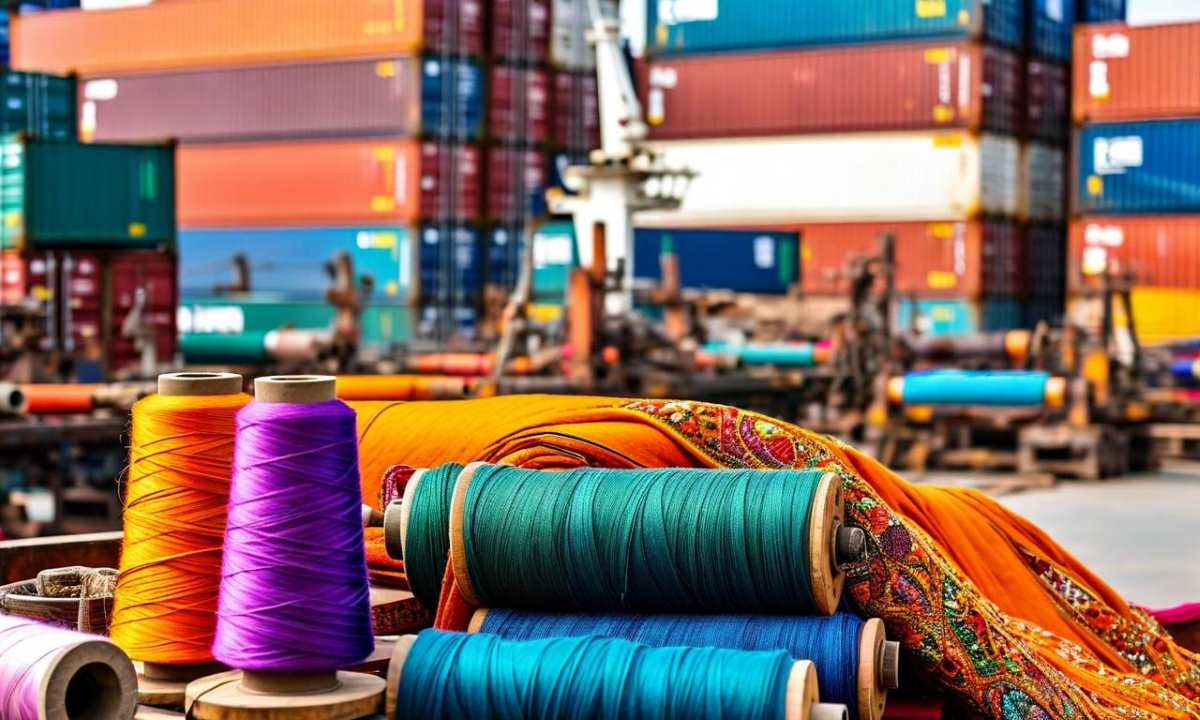
Textile business associations, meanwhile, highlighted benefits for Indonesia’s textile and footwear industry if the country joined the TPP as the products would be subject to zero per cent tax, making Indonesia competitive with regional counterpart Vietnam, which has joined the TPP.
To further review the benefits and negative impacts of joining the TPP, the Indonesian government will form teams to review future trade agreements and partnerships. Negotiations on the TPP were concluded in October last year by 12 signatory countries, namely Australia, Brunei Darussalam, Canada, Chile, Japan, Malaysia, Mexico, New Zealand, Peru, Singapore, Vietnam and the US.
- 1
- 2
- 3
- 4
- 5
- 6
- 7
- 8
- 9
- 10
Industrial automation and AI take center stage at Garment Technology Expo (GTE) …
The conclusion of the 39th Garment Technology Expo (GTE 2026) in Greater Noida has signalled a decisive shift in South... Read more
The End of Geographic Masking: Shein and peers reclaim Made in China as a strate…
The era of the corporate ghost is ending. For years, the world’s most aggressive retail disruptors operated under ambiguity, relocating... Read more
$120 Crude, Zero Margin: How India’s textile hubs are paying the price
For India’s textile clusters, the current West Asia crisis is no longer a distant geopolitical headline. In Surat’s polyester corridors... Read more
Luxury under pressure as stagflation and geopolitics redefine the winners’ circl…
The 2025 earnings for Europe’s listed luxury majors have delivered a verdict that has far more implications than the prevailing... Read more
Luxury resale goes global, sneakers, handbags, archival fashion redrawing border…
The luxury resale market in 2026 is no longer a monolithic global block. According to the RB Insights January 2026... Read more
China out but can India deliver? The realities of the global sourcing shift
With the US imposing a flat 15 per cent tariff on Chinese imports under Section 122 as of February 2026,... Read more
Luxury in Retreat: Why the aspirational consumer is gone for good
The global luxury industry is confronting an unprecedented situation. The active consumer base, which peaked at 400 million in 2022,... Read more
The Invisible Bleed: How a single chemical is slowing India’s apparel machine
The global fashion industry has spent the better part of the past two years obsessing over visible disruptions viz. volatile... Read more
The Closet Paradox: How ‘nothing to wear’ is driving global overconsumption
In an era of overflowing wardrobes and instant fashion gratification, a striking paradox has emerged: the more clothes we own,... Read more
US trade rulings and labor slowdown reshape 2026 cotton supply chains
The global cotton industry is entering a period of adjustment, shaped by legal rulings, trade policy recalibrations, and a softening... Read more