The khadi industry in India has recorded an average growth of 28 per cent in the last four years compared to 6.18 per cent between 2004 and 2014. Also in four years, total production of khadi has jumped 70 per cent.
Khadi, a versatile fashion fabric, has become a stylish narrative that is now popularly embraced by designers. They have expanded the color palette, westernized the cuts, and created new trends. Khadi has transcended itself as a sustainable fabric of the future. At a time when the world is moving towards automation, khadi is one of the few handcrafted products. A symbol of Indian textile heritage, khadi has been brought to the centerstage over the years for its uniqueness of being hand spun, handwoven and a truly sustainable fabric. The khadi industry in India is expected to cross a Rs 10,000 crore turnover in the next five years. The target for this year is set at Rs 5000 crores.
The Lakme fashion week was dedicated to sustainable fashion where designers showcased their collection made out of sustainable fabrics. Three designers, Anuj Bhutani, Pallavi Dhyani and Gaurav Khanijo, collaborated with the Khadi Village and Industries Commission to create sustainable fashion wear that was showcased on the ramp.

- 1
- 2
- 3
- 4
- 5
- 6
- 7
- 8
- 9
- 10
Why European consumers are spending more but buying less fashion
For much of the last two decades, the European fashion industry operated under the assumption that rising consumer wealth would... Read more
Why US apparel prices defied inflation while product quality improved
As inflation reshapes nearly every aspect of American household spending, one consumer category continues to stand apart. Housing costs have... Read more
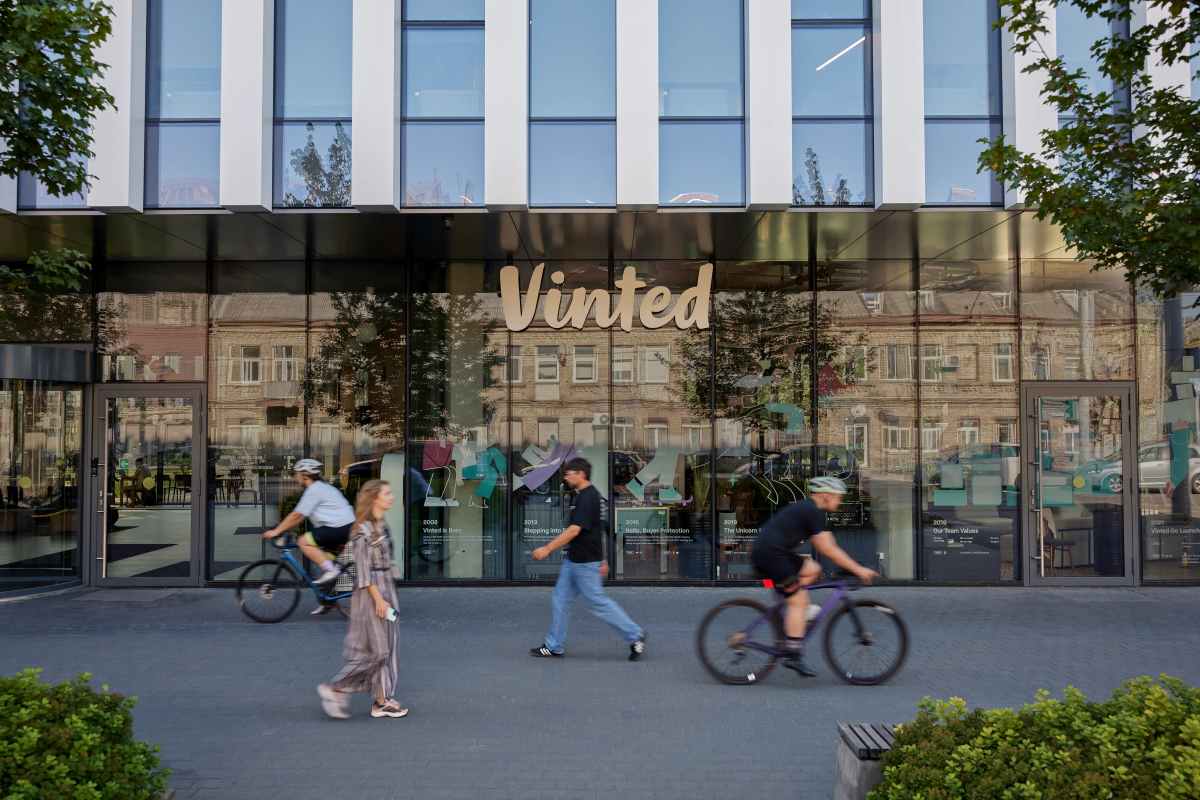
The Resale Revolution: Vinted’s marketplace model reshapes European retail
The French fashion market has reached a turning point. In a development that highlights the growing influence of circular commerce,... Read more
France declares war on ultra-fast fashion with new green law, will reshape globa…
France has become the first major economy to legislate specifically against the ultra-fast fashion business model, a watershed moment for... Read more
France declares war on ultra-fast fashion with new green law, will reshape globa…
France has become the first major economy to legislate specifically against the ultra-fast fashion business model, a watershed moment for... Read more
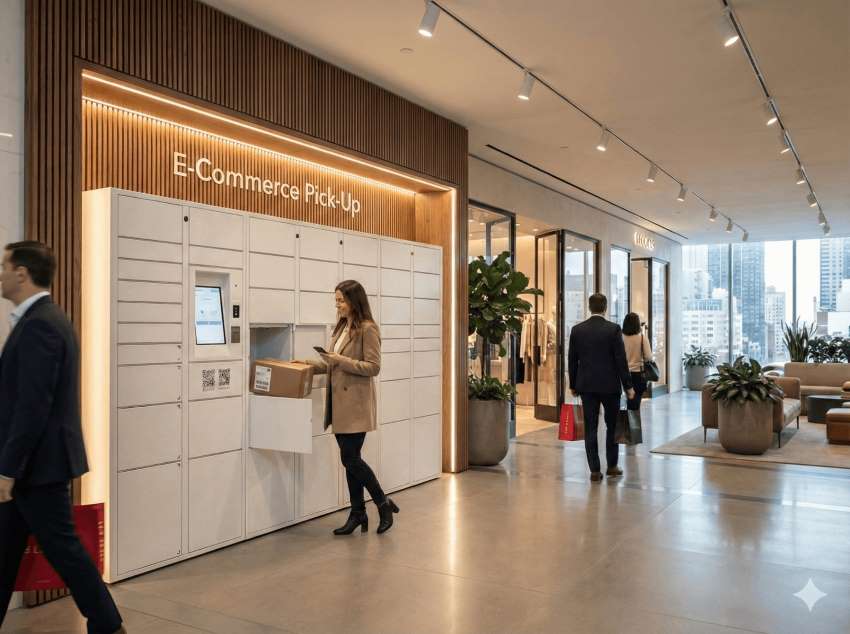
Click-and-Collect: Why retailers are turning pickup counters into sales machines
Modern retail has changed the role of the physical store. Once viewed primarily as a point of sale or inventory... Read more
Why fashion e-commerce returns persist despite smarter sizing technology
For over a decade, the fashion sector has invested heavily in virtual fitting rooms, AI-powered size recommendations, and 3D body... Read more
A Quest for Essence: Unveiling the 2027 A/W Trends at Intertextile Shanghai Appa…
As the global textile industry looks toward the upcoming season, the Intertextile Shanghai Apparel Fabrics – Autumn Edition stands ready... Read more
Beyond globalization, local consumer behavior rewriting fashion retail strategy
The traditional blueprint for global fashion expansion is being rewritten. For decades, apparel companies assumed globalization would gradually create a... Read more
Virtual wardrobes redraw retail boundaries as gaming platforms become fashion ec…
The boundary between physical clothing and digital apparel is rapidly eroding as gaming environments evolve into fully functioning consumer markets.... Read more