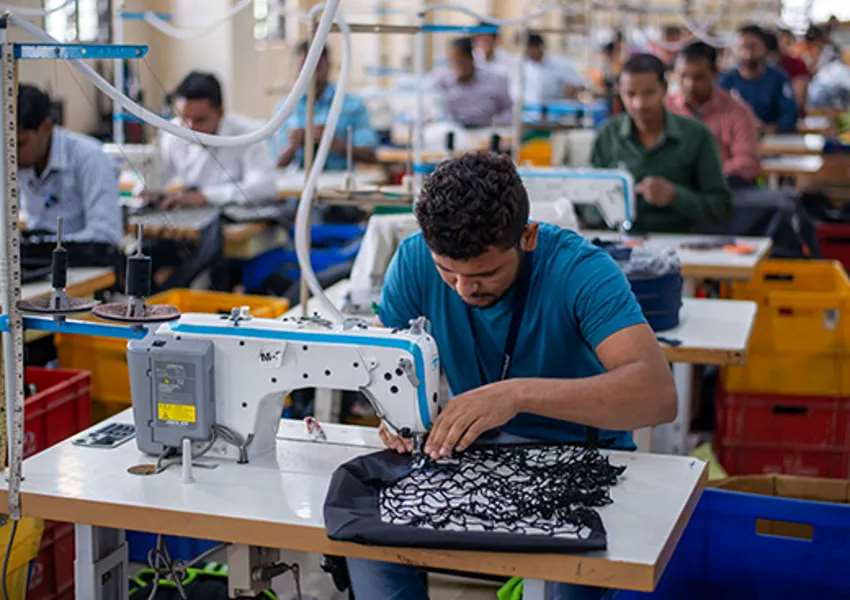
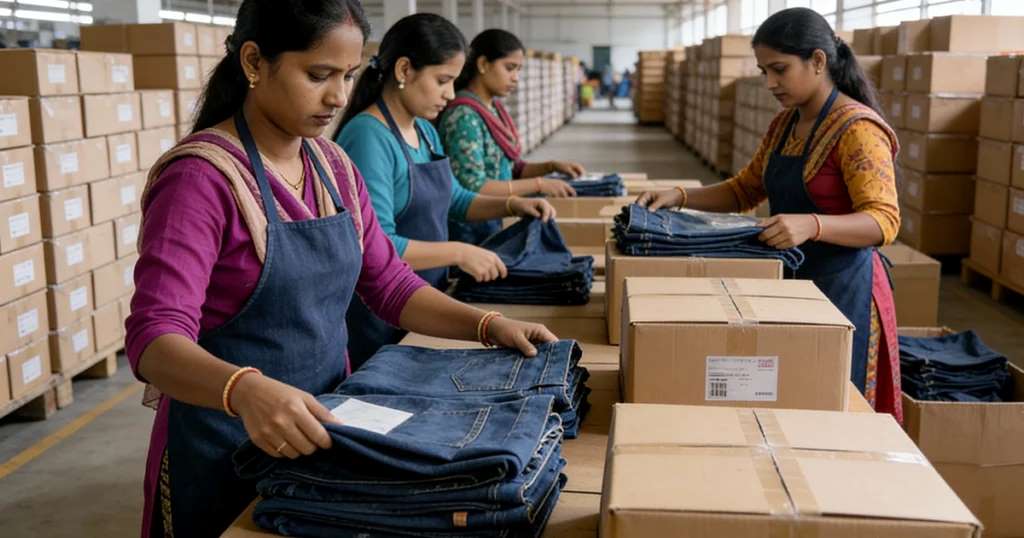
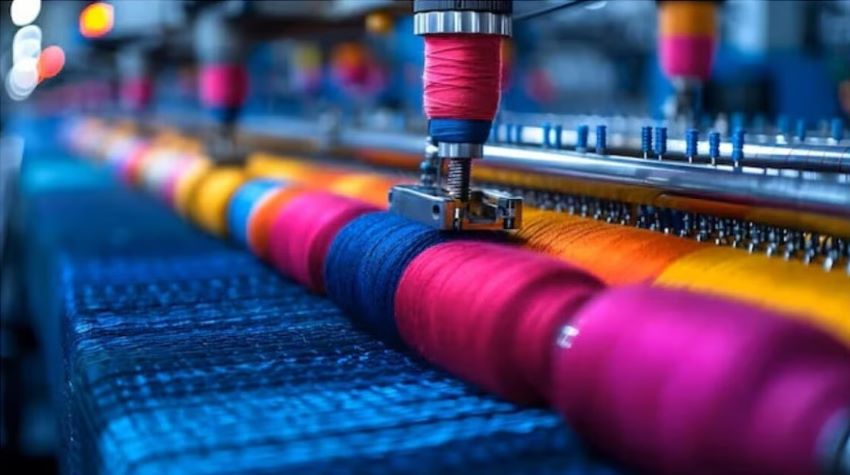
Thousands of Rangoon's factory workers are on strike until they receive a pay rise. Workers from at least three garment factories are involved in the strike. All three factories have been forced to cease operations since early February. Garment factory workers earn about $50 per month plus overtime.
A minimum wage law was passed in March 2013, but setting a wage has been deferred because the Ministry of Labor has yet to conclude a study on workforce size, living standards and household expenses, which begin in late January after a two-year delay. There has been a sudden increase in wage-related strikes throughout Myanmar’s industrial zones over the past two years.
Workers’ low incomes have resulted in criminal offences, decreased productivity, conflict with employers, unethical behavior, corruption and other serious social consequences. Garment-makers say, prominent former political prisoners are getting involved in labor disputes. They say many of the city’s strikes are initiated by political groups. Under Myanmar’s long-ruling military junta, strikes were a taboo and trade unionists jailed and deemed terrorists, but the civilian government has passed laws allowing unions and industrial action. Strikes have become more commonplace since 2012.
More strikes are likely in the run-up to national elections slated for late 2015.
- 1
- 2
- 3
- 4
- 5
- 6
- 7
- 8
- 9
- 10
The End of Geographic Masking: Shein and peers reclaim Made in China as a strate…
The era of the corporate ghost is ending. For years, the world’s most aggressive retail disruptors operated under ambiguity, relocating... Read more
$120 Crude, Zero Margin: How India’s textile hubs are paying the price
For India’s textile clusters, the current West Asia crisis is no longer a distant geopolitical headline. In Surat’s polyester corridors... Read more
Luxury under pressure as stagflation and geopolitics redefine the winners’ circl…
The 2025 earnings for Europe’s listed luxury majors have delivered a verdict that has far more implications than the prevailing... Read more
Luxury resale goes global, sneakers, handbags, archival fashion redrawing border…
The luxury resale market in 2026 is no longer a monolithic global block. According to the RB Insights January 2026... Read more
China out but can India deliver? The realities of the global sourcing shift
With the US imposing a flat 15 per cent tariff on Chinese imports under Section 122 as of February 2026,... Read more
Luxury in Retreat: Why the aspirational consumer is gone for good
The global luxury industry is confronting an unprecedented situation. The active consumer base, which peaked at 400 million in 2022,... Read more
The Invisible Bleed: How a single chemical is slowing India’s apparel machine
The global fashion industry has spent the better part of the past two years obsessing over visible disruptions viz. volatile... Read more
The Closet Paradox: How ‘nothing to wear’ is driving global overconsumption
In an era of overflowing wardrobes and instant fashion gratification, a striking paradox has emerged: the more clothes we own,... Read more
US trade rulings and labor slowdown reshape 2026 cotton supply chains
The global cotton industry is entering a period of adjustment, shaped by legal rulings, trade policy recalibrations, and a softening... Read more
Zero-tariff paradigm drives strategic re-sourcing at Global Sourcing Expo 2026
Projected to reach a valuation of $30.3 billion this year, the Australian textile and apparel market is entering a period... Read more