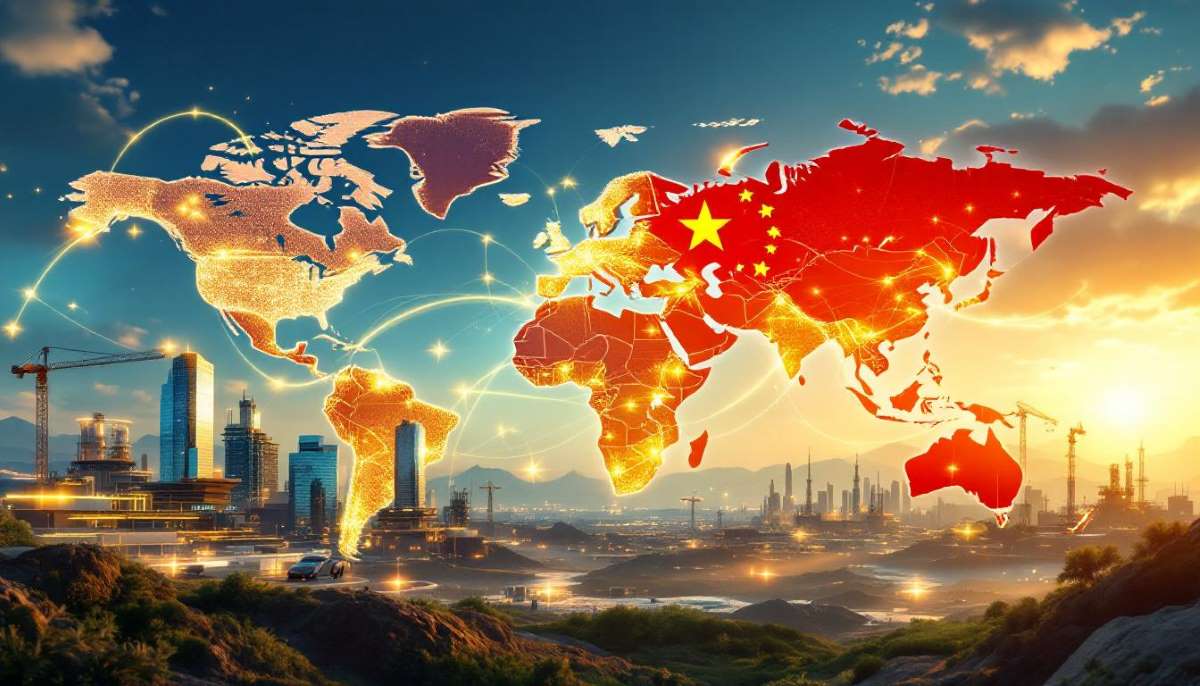
India has a great chance to capture the market for manmade fibers that’s been vacated by China. Synthetic textiles made from manmade fibers account for 70 per cent of the world textile supply and the rest is cotton. Given the scale of exports from China, even a one per cent shift means a ten per cent increase in India’s exports of manmade fibers and synthetic textiles.
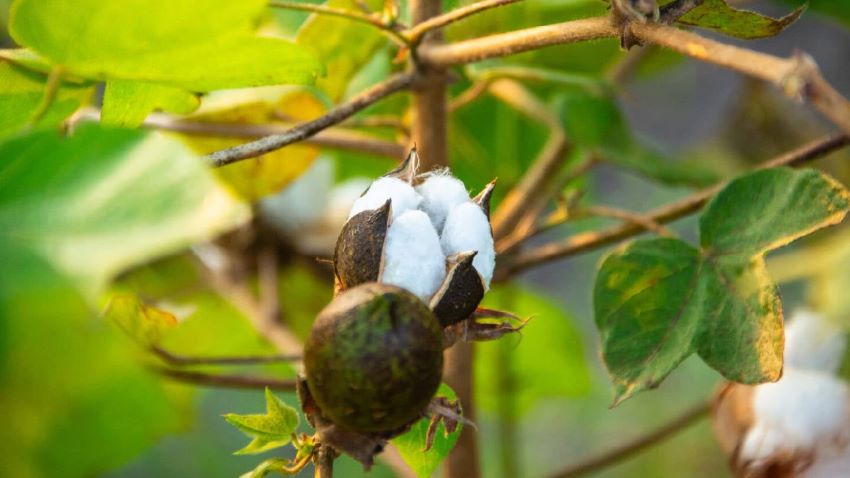
Cotton still commands more than 50 per cent of India’s textile production. However, the synthetic textile segment is gradually growing. The world is shifting towards manmade fibers and there is a need for innovations in fabrics, integrate the value chain and invest in skill development to boost textile exports from the country. Hastening of negotiations with regard to free trade agreements with EU and Canada and labor law reforms and logistics improvements are essential for the growth of the textile sector.
India is already reeling under a huge competitive disadvantage in the international textile market when it comes to manmade fiber based textile products. Competitors like China, Vietnam and Bangladesh are ahead in global exports of manmade fiber textiles. Under-investment in the sector is the biggest challenge in India. It has resulted in a weaker value chain driving foreign buyers to other countries. Speed, innovation and digitization hold the key to India's success.

- 1
- 2
- 3
- 4
- 5
- 6
- 7
- 8
- 9
- 10
Global textile regulation tightens, forcing realignment across fashion supply ch…
Global fashion and consumer goods supply chains are entering a decisive regulatory transition as Extended Producer Responsibility (EPR) frameworks for... Read more
Luxury’s new power axis, US dominance, China reset, Gulf surge
As the post-China luxury order takes shape, the US is emerging as the industry’s most dependable growth engine, while Japan,... Read more
India’s $9 Billion Landfill Blind Spot How trashed clothes hold the key to globa…
A massive economic windfall is sitting uncollected in India’s landfills, and the key to unlocking it lies in rethinking how... Read more
Red Sea crisis reshapes textile trade routes, challenges India’s export margins,…
Global apparel trade is now in a new operational phase where geopolitical stability and logistics reliability are as important as... Read more
EU’s textile waste rules enter enforcement phase, raising alarms across fashion …
Europe’s apparel and textile industry is approaching one of its most significant regulatory transitions in decades. As the European Union... Read more
Corporate fashion adopts reverse logistics to unlock the $367 bn resale market
Global fashion retailers are rapidly changing their business models around resale, repair, and textile recovery as the secondhand apparel market... Read more
Tariff Shock 2026: Forced-labor enforcement is repricing global fashion trade
Washington’s latest trade intervention signals a break in the global apparel sourcing patterns. The Office of the United States Trade... Read more
Circular Samvaad 2.0 aims to transform Indian textiles from linear waste to glob…
On the occasion of World Environment Day, industry leaders, policymakers, and international experts gathered in the capital yesterday for Circular... Read more
From Sentiment to Sustainability: How Mumbai’s ‘Mega Post Textile Waste Initiat…
Walk into almost any Indian household, and you will find wardrobes harboring clothes that haven’t been worn in years. They... Read more
Trends-Fabrics (Denim-Kidswear) trends for Spring/Summer 2026-27 by Drapers
For the Spring/Summer 2026-27 season, the kidswear denim market is defined by a shift toward lightweight comfort, playful aesthetics, and... Read more