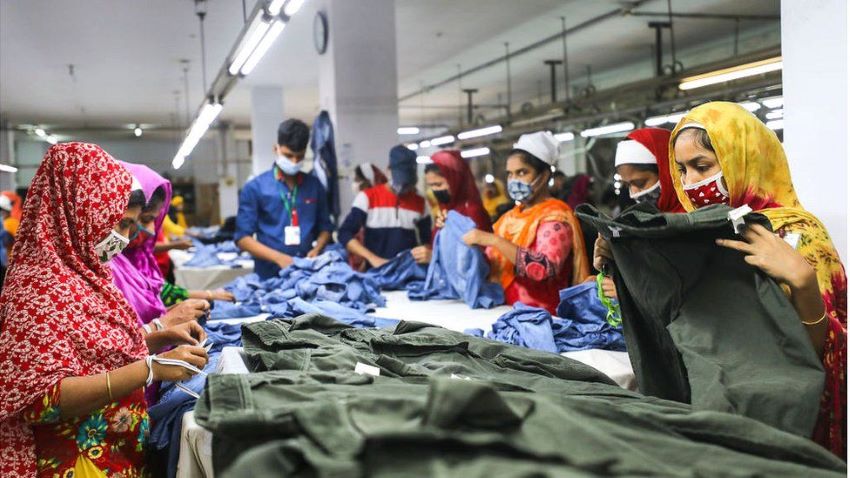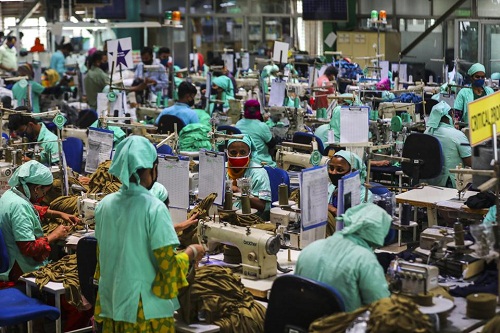
Even as legislators across the world call for supply chain transparency, reports of global brand suppliers mistreating workers continue to make headlines. There are numerous reports of suppliers locking workers in factories, manager sexually harassing female staff among others.
To rectify these issues, stakeholders need to adopt a unilateral thinking approach, says a report by Forbes. They need to use open-source data that encourages information sharing amongst organizations to ensure transparency and traceability across supply chain.
Unhindered flow of information amongst brands, suppliers
As per McKinsey & Company and Open Data Institute, the global market potential for open data is around $5 trillion. The market mandates, all actors including brands, suppliers, NGOs and industry bodies to share information and knowledge freely. It urges them to disclose their previously private lists of supplier factories and third-party production facilities. This would help industry players understand compliance risks and cure social and environmental malpractices.
The quality of data insights across the apparel value chain has been improved by new technological and software developments in the real time tracking of production. This enable brands to rectify issues in supplier facilities. It also increases accountability amongst brands, thus helping them build customer’s trust, improve their intangible assets and sales performance.
Eradicating toxic substances from supply chains
Powered by Azavea, the Open Apparel Registry (OAR) translates supply chain data into democratic, usable and safe platforms. The database holds information on over 57,000 facilities, spanning more than 120 countries. It collates these global factory lists into a single map and assigns each site with a unique 15-character OAR ID using a sophisticated algorithm. As per Katie Shaw, Chief Program Officer, the tool benefits organizations of all sizes. Smaller fashion brands such Ted Baker can gain insights into their preferred list of suppliers and the potential risks of sourcing from new geographic regions. However, they need to consider the governance structures and the management of open-source data before using it.
Brands can use OAR’s Application Programming Interface (API) to eradicate toxic substances from supply chains. The tool is also been used by the Business and Human Rights Resource Centre to rectify cases of workers’ rights infringements. It is currently been adopted by over 79 brands to eradicate social injustices. Another solution for open-source data management has been introduced by the US-based Sourcemap. The solution offers brands insights into the end-to end of supply chains to meet the required compliance standards. It is being used by brands and companies like VF Corporation, Ferrero, Mars and Beauty Counter to trace and disclose supplier information.
Awareness on information sharing
However, open-source data is currently hindered by the reluctance of brands to share source information. Smaller and medium-sized brands hesitate to disclose the information regarding the facilities used in their supply chain due to their fear to losing competitiveness. The time lag in the mindset shift towards a culture of access is also slowing the uptake of using open-source data and mapping tools. Hence, brands need to create awareness about the benefits of information sharing through organizations like OAR and Sourcemap is imperative to build the business case for information sharing. They also need to encourage policy makers to transform voluntary fashion initiatives into mandatory compliance.