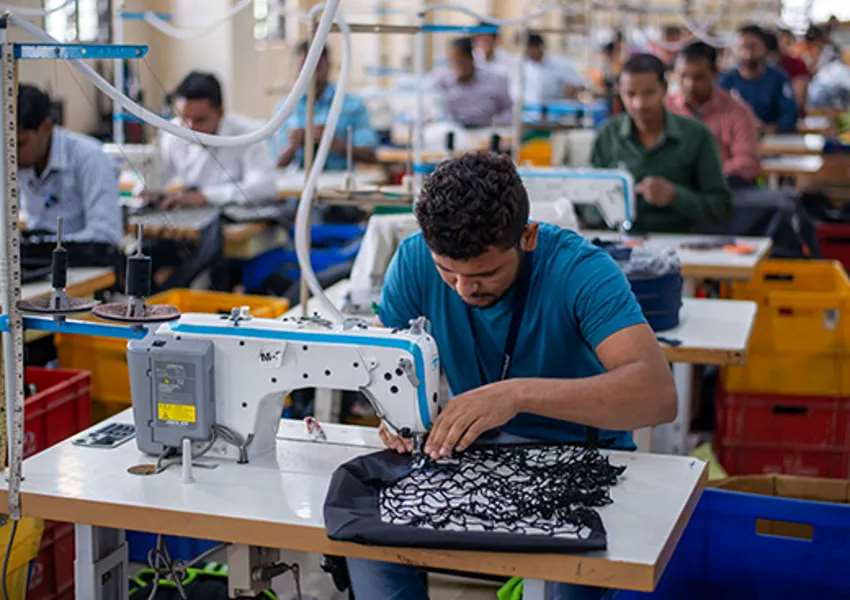
Britain's textile industry is forecasted to create 20,000 jobs in the next five years as a result of re-shoring of production and growth areas, including material for vehicles and aircraft. Apparel exports doubled in the decade to 2013, with 5,000 jobs created in that year alone. But a shortage of skilled staff and insufficient funding for investment could slow growth.
The UK is the 15th largest textile manufacturer in the world. Higher wages in Asia, and the trend for fast fashion, with customers favoring UK manufacturers, are expected to add to domestic sales. The advanced textile sector, which makes lightweight carbon fiber and other materials, has also provided a boost to clothing manufacturing. F1 cars are woven on the same jacquard loom as a wedding dress.
Online retailers buy all their clothes in the UK to ensure quick turnaround time. Other retailers sourcing more supply from the UK include Marks & Spencer. However, fast fashion can also result in small, uneconomic runs. Some retailers also treat suppliers poorly, with long payment terms or by demanding discounts. The micro businesses driving growth often lack money to invest and scale up. However, all accept that mass production of cheap clothes and household goods is unlikely to return.

- 1
- 2
- 3
- 4
- 5
- 6
- 7
- 8
- 9
- 10
Compliance as the New Currency: Why global fashion is trading lowest-cost sourci…
For decades, the global apparel sourcing playbook was deceptively simple: locate the cheapest labor pool, negotiate down raw material costs,... Read more
Manufacturing Meets Retail: China’s M2C blueprint redefines fashion economics
The traditional divide between manufacturing and retail is rapidly disappearing in China. For decades, global apparel production operated through a... Read more
India's textile exporters win competitive advantage in new US tariff regime
A sweeping overhaul of US trade policy has created one of the most competitive openings for India's textile and apparel... Read more
Yarn Expo Autumn: A vital barometer for fiber innovation
Global apparel brands and textile manufacturers are rapidly re-engineering their procurement strategies, pivoting from traditional commodity fibers toward high-tenacity, circular,... Read more
Organic cotton's scale problem raises new risks for fashion supply chains
The global fashion industry's pursuit of sustainable raw materials is facing an uncomfortable reality. Organic cotton, long promoted as the... Read more
India leads global fashion web traffic boom as digital shopping habits evolve
India's digital garment trade has struck an operational turning point, as local shoppers logged 1.4 billion average monthly visits to... Read more
Global apparel trade turns direct as brands bypass traditional distribution netw…
Geopolitical uncertainty, changing tariff regimes and volatile freight costs are forcing manufacturers to rethink how garments reach global consumers. Instead... Read more
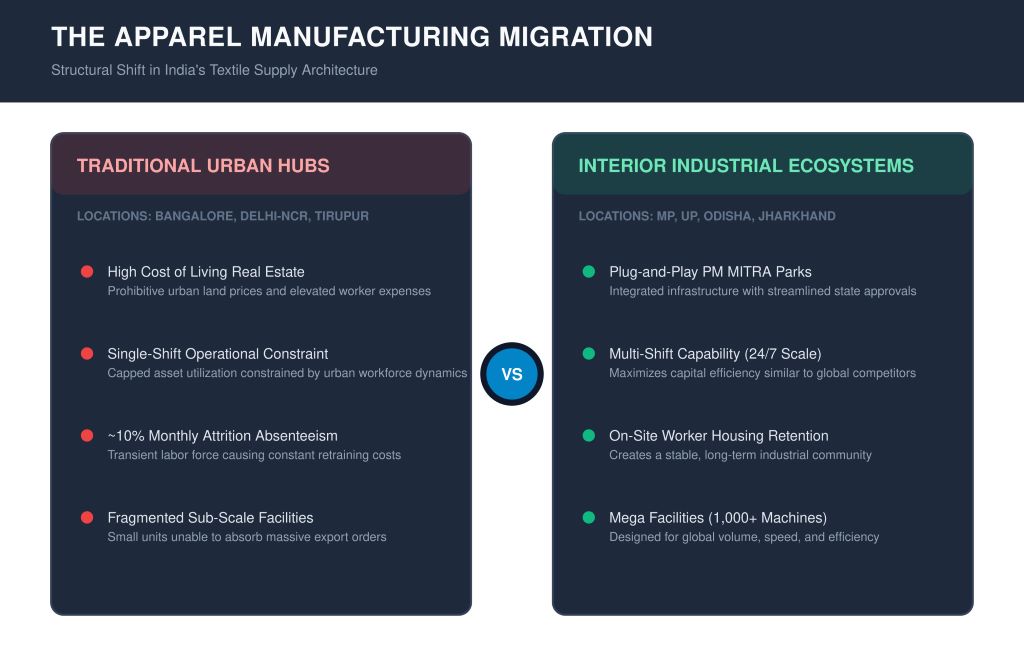
Breaking the Urban Wall: How the interior migration is redrawing India’s apparel…
For decades, India’s garment manufacturing sector has been bound to its traditional strongholds; Bangalore, Delhi-NCR, and Tirupur. Yet, inside the... Read more
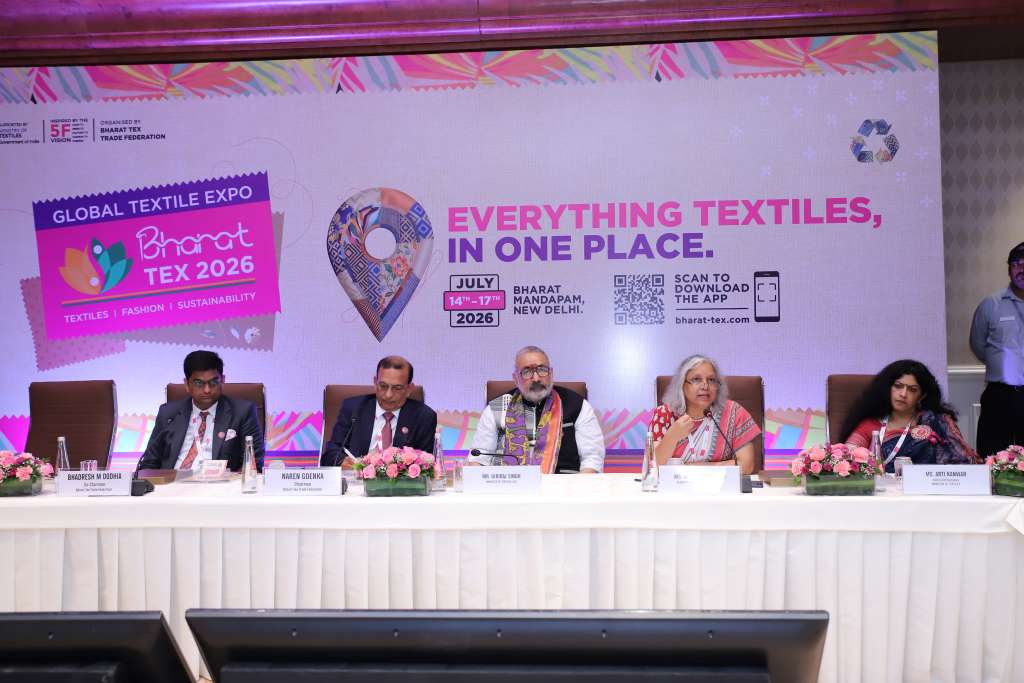
Industrial Spirits and Global Mandates: How India’s textile sector plans to capt…
The global textile value chain stands at a generational crossroads. Against this backdrop, the Bharat Tex Roundtable—convened under the theme... Read more
The New Green Silk Road: Lyocell could transform India’s textile trade
The European Union's Ecodesign for Sustainable Products Regulation (ESPR) is forcing apparel companies to rethink raw material sourcing, reducing dependence... Read more