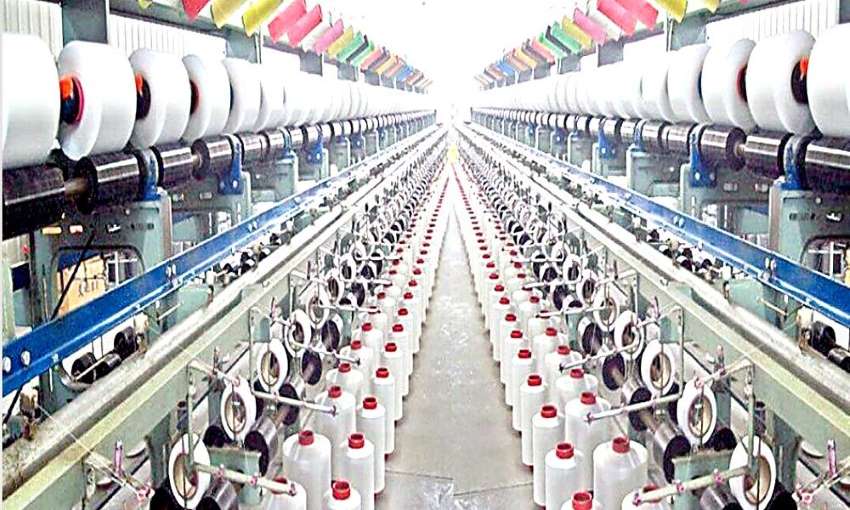
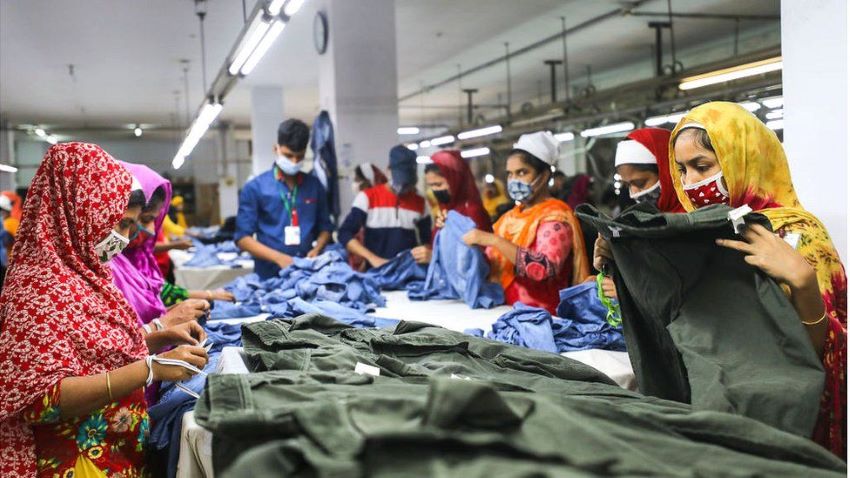
Pakistan’s exports to the European Union increased 62 per cent from 2013 to 2018. This has been made possible by the grant of GSP by the European Commission till 2022. But shipments to Europe and the US are being deferred or cancelled due to the coronavirus. The cash flow crisis is so severe companies are finding it impossible to maintain operations, resulting in bankruptcies and massive layoffs of workers. This is feared to lead to a buildup of inventory and non-payment against letters of credit. The industry in Pakistan is already cash strapped due to the sales tax system.
The country hopes to double textile exports over the next five years if the issues related to high energy pricing, gas connection and tax refunds are resolved. This implies continuation of supply of energy at competitive rates as a long term policy, slashing the interest rate to single digits, refunds of all sales tax claims and other dues of the industry and ensuring availability of cheap credit for the sector. With a long-term five-year textile policy, textile exports are expected to start growing at ten per cent to 15 per cent. The country’s production of cotton is estimated to be at 8.5 million bales.
- 1
- 2
- 3
- 4
- 5
- 6
- 7
- 8
- 9
- 10
Zero-tariff paradigm drives strategic re-sourcing at Global Sourcing Expo 2026
Projected to reach a valuation of $30.3 billion this year, the Australian textile and apparel market is entering a period... Read more
Strategic manufacturing takes center stage at Gartex Texprocess Mumbai 2026
A $179 billion industrial cornerstone contributing 2 per cent to the national GDP, the Indian textile and apparel sector is... Read more
The Hidden Tax on Fashion: 2026’s EPR rules squeeze margins and shake supply cha…
As the 2026 enforcement deadlines for California’s SB 707 and the European Union’s harmonized Waste Framework Directive loom, the global... Read more
Guess? Inc. retreats from China as American cool hits a cultural wall
For more than two decades, Guess? Inc., the emblem of ‘accessible American cool’, maintained an ambitious footprint in China. At... Read more
The Hormuz Effect: Why a distant war is shaking Bangladesh’s garment exports
The immediate impact of the Iran- Isarel-US conflict is being felt in the logistics arteries that connect Bangladesh’s factories with... Read more
The rise of localized luxury, MEA, North America, and India lead growth
The global luxury industry is no longer defined by relentless expansion. The ‘2025 Global Luxury Brandwatch Report’ highlights a sector... Read more
Hormuz blockade sends shockwaves through India’s textile chain as polyester cost…
What began as a geopolitical escalation in the Gulf has rapidly metastasized into a full-scale industrial disruption for India’s textile... Read more
India’s National Fibre Scheme decouples textiles from global supply risks
For decades the Indian dominated spinning, weaving, and garment exports while remaining paradoxically dependent on imported man-made fibres and specialty... Read more
From London to Tokyo, premiumization redefines retail and office markets
Global real estate landscape has changed. Gone are the cautious narratives of recovery that defined the post-pandemic years. Today, flight... Read more
Compliance drives India’s $176 bn textile shift
India’s textile economy is no longer selling fabric alone; it is selling proof. As compliance rules harden across export markets,... Read more