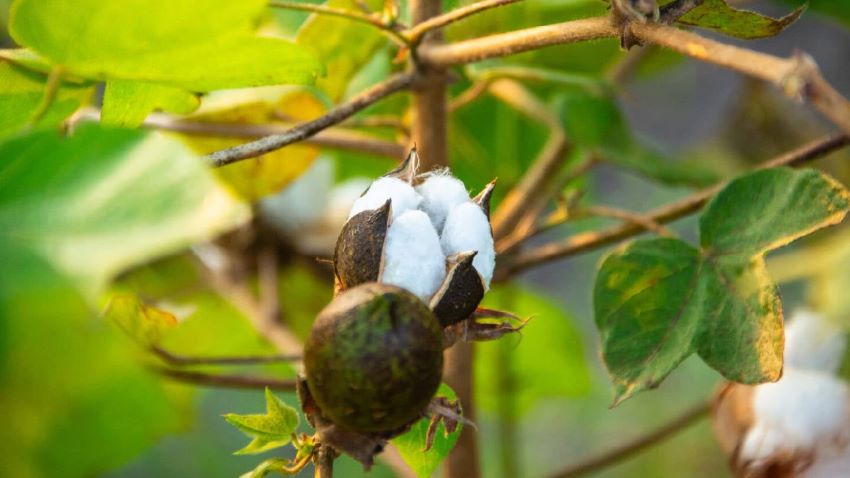
Pakistan and Uzbekistan are working on increasing bilateral trade and instituting joint ventures between the two countries. Uzbekistan is the biggest and the fastest growing economy in Central Asia, particularly advanced in agriculture and a major cotton producer with a very well developed indigenous production of cotton related machinery. And this also happens to be one of Pakistan’s primary economic sectors.
Pakistan and Uzbekistan have been enjoying cordial bilateral relations since the independence of Uzbekistan in 1991. The two countries are looking at the establishment of joint production facilities. They see significant potential for cooperation in areas such as fertilizers and the agro-chemical industry.
Uzbekistan is interested in investing in renewable energy projects in Pakistan, especially solar energy. The current volume of bilateral trade is $40 million. The countries are looking for enhancing bilateral cooperation in the fields of climate change, agriculture and science and technology.
Pakistan and Uzbekistan share affinities of culture, faith and customs. Pakistani ports offered the shortest land route to Uzbekistan for access to the Arabian Sea and the unique geographical locations of Pakistan and Uzbekistan are mutually advantageous for the two countries. Pakistan wants to build an energy infrastructure corridor to enhance connectivity with the Central Asian states.
- 1
- 2
- 3
- 4
- 5
- 6
- 7
- 8
- 9
- 10
China out but can India deliver? The realities of the global sourcing shift
With the US imposing a flat 15 per cent tariff on Chinese imports under Section 122 as of February 2026,... Read more
Luxury in Retreat: Why the aspirational consumer is gone for good
The global luxury industry is confronting an unprecedented situation. The active consumer base, which peaked at 400 million in 2022,... Read more
The Invisible Bleed: How a single chemical is slowing India’s apparel machine
The global fashion industry has spent the better part of the past two years obsessing over visible disruptions viz. volatile... Read more
The Closet Paradox: How ‘nothing to wear’ is driving global overconsumption
In an era of overflowing wardrobes and instant fashion gratification, a striking paradox has emerged: the more clothes we own,... Read more
US trade rulings and labor slowdown reshape 2026 cotton supply chains
The global cotton industry is entering a period of adjustment, shaped by legal rulings, trade policy recalibrations, and a softening... Read more
Zero-tariff paradigm drives strategic re-sourcing at Global Sourcing Expo 2026
Projected to reach a valuation of $30.3 billion this year, the Australian textile and apparel market is entering a period... Read more
Strategic manufacturing takes center stage at Gartex Texprocess Mumbai 2026
A $179 billion industrial cornerstone contributing 2 per cent to the national GDP, the Indian textile and apparel sector is... Read more
The Hidden Tax on Fashion: 2026’s EPR rules squeeze margins and shake supply cha…
As the 2026 enforcement deadlines for California’s SB 707 and the European Union’s harmonized Waste Framework Directive loom, the global... Read more
Guess? Inc. retreats from China as American cool hits a cultural wall
For more than two decades, Guess? Inc., the emblem of ‘accessible American cool’, maintained an ambitious footprint in China. At... Read more
The Hormuz Effect: Why a distant war is shaking Bangladesh’s garment exports
The immediate impact of the Iran- Isarel-US conflict is being felt in the logistics arteries that connect Bangladesh’s factories with... Read more