
Pakistan will have an agreement with Uzbekistan for agriculture research and technology transfers. This is aimed at improving cotton production in Pakistan. Uzbekistan has huge cotton stocks which it is willing to export to Pakistan. Uzbekistan also has the capacity to make its own cotton seeds and develop special seeds for Pakistan which are resistant to pest attacks.
Pakistan also aims at importing cotton seeds from Uzbekistan which are resistant to various diseases. Uzbekistan is also ready to extend assistance to Pakistan’s fisheries sector. Samarkand and Bukhara in Uzbekistan are unique agriculture centers where cotton clusters are set up for small farmers. Pakistan hopes to replicate such a model. Cotton picking tools and tractors from Uzbekistan are working in Pakistan on a trial basis. Uzbekistan hopes to import sugar, dairy and meat from Pakistan.
Bilateral trade between Pakistan and Uzbekistan is hampered by certain issues. These include: lack of direct cargo links, safe and direct land routes, marketing strategies, knowledge of Pakistani products, visa facilitation and costly transportation by air.

- 1
- 2
- 3
- 4
- 5
- 6
- 7
- 8
- 9
- 10
Denim mills diversify into hemp blends to cut cotton dependence
Commercial textile mills are expanding hemp-cotton fabric portfolios beyond niche sustainable collections, developing blends for mainstream denim, stretch trousers, lightweight... Read more
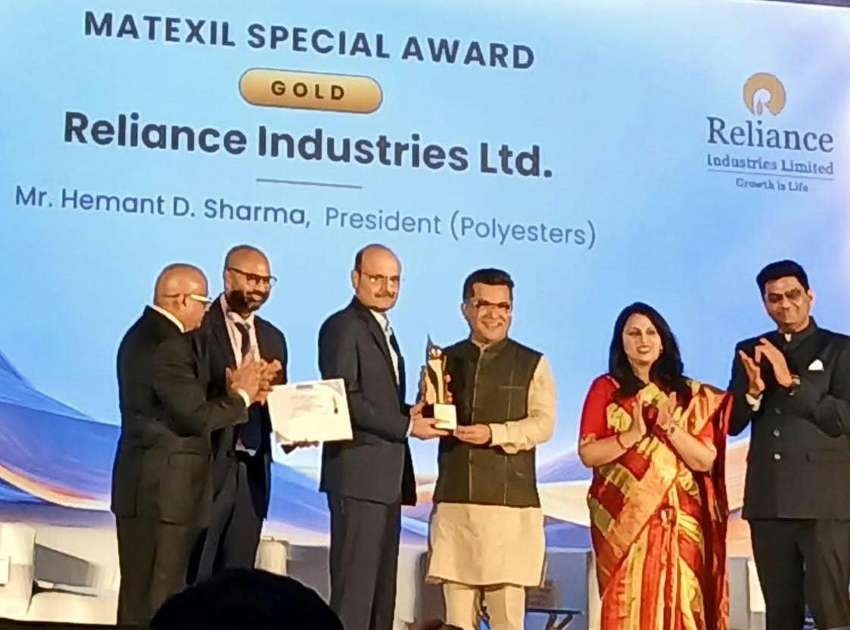
Industrial Giants and Composite Specialists Sweep MATEXIL Export Awards: Driving…
Indian synthetic and technical textile exporters captured international market share across high-value fibre, filament, blended yarn, and engineered fabric categories,... Read more
Upstream Scale and Advanced Materials: Reliance Industries anchors India’s polye…
At a transformational moment when the Indian textile sector is targeting an aggressive expansion to 350 billion dollars in total... Read more
Resilience Under Pressure: Bhadresh Dodhia on how Indian textile exporters navig…
Global textile exporting is not an enterprise for the faint-hearted. Facing relentless volatility in raw material pricing, demands from international... Read more
Regulatory Modernization and Mandatory Digital Governance: Textile Commissioner …
India’s textile and apparel sector, an ecosystem sustaining more than 50 million livelihoods, stands at an operational turning point driven... Read more
Scaling India's Manmade Fibre Base to 18 Million Tonnes: MATEXIL outlines road t…
India stands before a decisive commercial inflection point in its global textile positioning, holding massive upstream manufacturing volumes while capturing... Read more
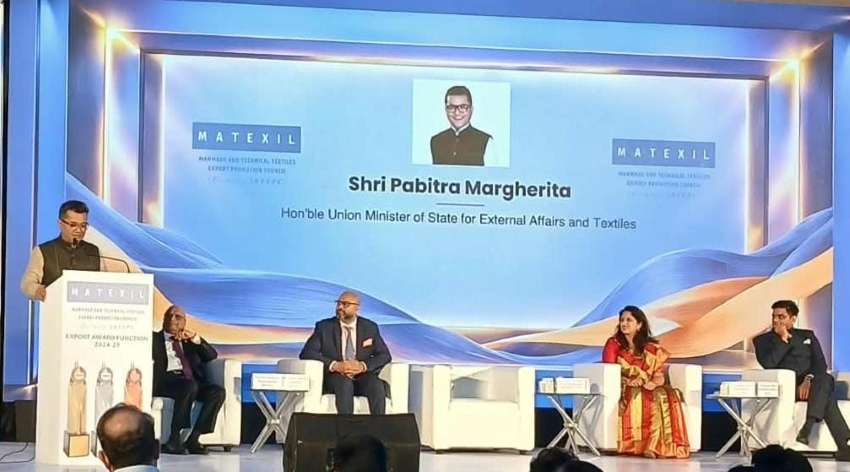
Global Economic Diplomacy and Relaxed PLI Thresholds: Minister Pabitra Margherit…
India’s textile sector is undergoing a structural repositioning on the world stage, combining bilateral free trade negotiations, aggressive economic diplomacy,... Read more
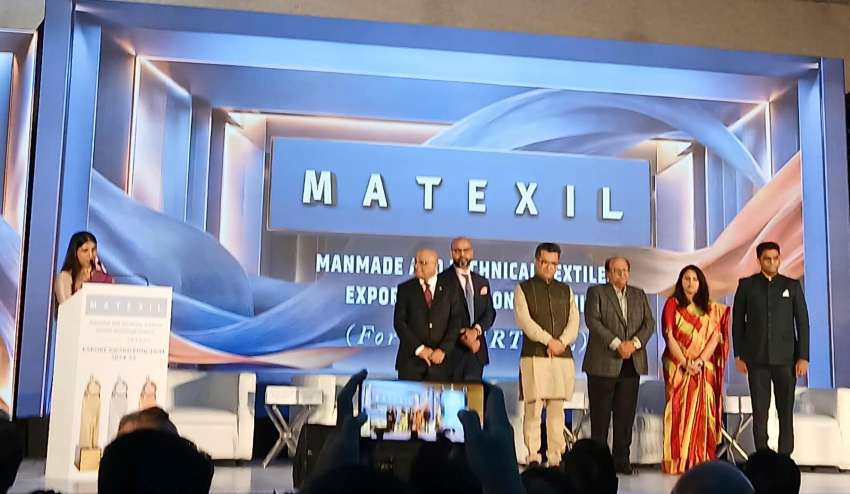
Export ambition and policy realignment anchor MATEXIL Export Awards in Mumbai
The Manmade and Technical Textiles Export Promotion Council convened the MATEXIL Export Award Function in Mumbai on 31 October 2026,... Read more
Sweat-masking yarns, circular fibres shape activewear’s next phase
The global activewear market, valued at almost $458 billion in 2026 and projected to be over $850 billion in the... Read more
Recycled Denim: The missing link between waste collection and yarn production
The Dutch Denim Deal’s industrial trials have highlighted a persistent challenge in textile circularity: mechanically recycled post-consumer cotton can be... Read more