The February 2026 edition of Première Vision Paris has concluded with a decisive shift toward ‘localized industrialism,’ marking a departure from the generic globalized sourcing models of the past decade. Hosting approximately 1,000 international exhibitors at Paris Nord Villepinte, the summit focused on three specific ‘Territories of Savoir-Faire’ - France, Portugal, and Japan - to illustrate how regional craftsmanship can meet the stringent traceability requirements of the upcoming EU Digital Product Passport (DPP).
Engineering high-value supply chains
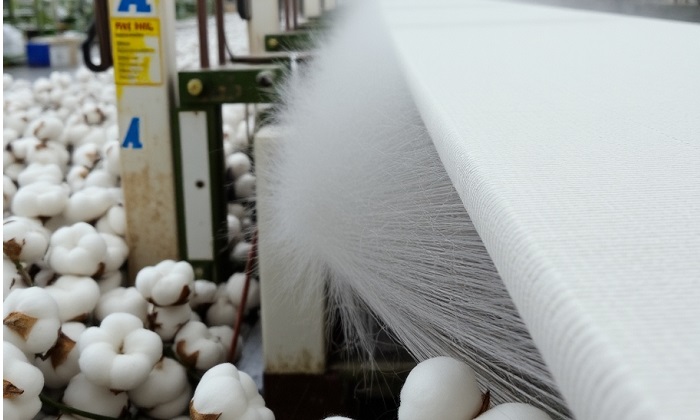
For the €1 trillion global textile ecosystem, the 2026 show emphasized ‘specification-driven’ aesthetics. Portugal emerged as a strategic hub for integrated production, while Japan showcased biotechnological breakthroughs in regenerative natural fibers. These innovations are critical as the industry faces a 3 per cent yield decline in traditional cotton belts, forcing a transition toward climate-adaptive materials. Craftsmanship is no longer a legacy concept; it is a measurable performance metric, noted Florence Rousson, President, Première Vision Management Board. This sentiment is backed by market data forecasting a 14 per cent growth in demand for high-integrity ornamental surfaces over the next 12 months.
Navigating the 2026 compliance landscape
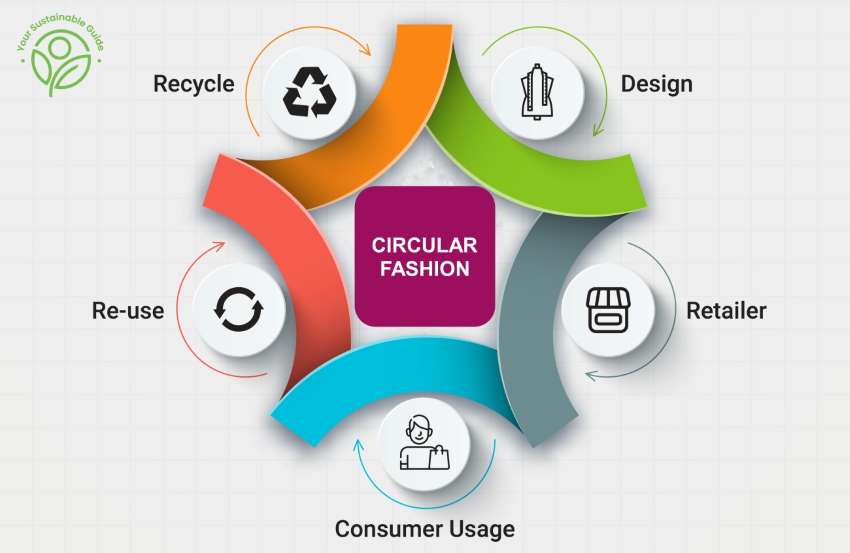
The retail sector is currently navigating a ‘compliance cliff,’ as the EU's ban on destroying unsold textiles takes full effect for large enterprises in 2026. This regulatory pressure has accelerated the adoption of low-impact dyeing and circular design frameworks, which were central to the show’s ‘Smart Creation’ area. With consumer demand for sustainable apparel now exceeding 70 per cent, exhibitors demonstrated that high-performance fibers—such as bio-based hemp and recycled polyester - can reduce per-garment carbon intensity by up to 30 per cent. This shift provides a necessary hedge against the low single-digit growth projected for the global fashion industry in the 2026 fiscal year.
Première Vision is the world’s leading trade exhibition for fashion professionals, specializing in fabrics, yarns, leather, and manufacturing. With bi-annual editions in Paris attracting 34,000+ visitors, the organization facilitates billions in international trade. Its 2026 strategy emphasizes the ‘Open’ theme, integrating predictive AI and sustainable innovation to drive long-term economic resilience across 120 nations.