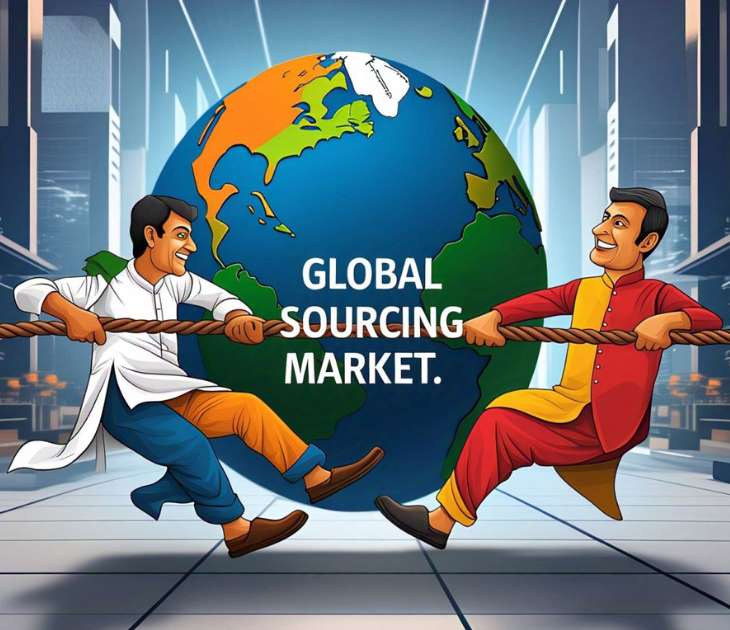
Sri Lanka's garment and textile manufacturing sector has averted trade disruption following the United States Trade Representative’s decision to assign a 10 per cent Section 301 duty rate to the island nation. The designation followed Colombo’s swift implementation of an import ban on forced-labor inputs, preventing placement in a higher 12.5 per cent tariff band that now impacts competing origins like Vietnam. By establishing duty parity with regional peers including Bangladesh, India, and Cambodia, Sri Lankan apparel suppliers retain price competitiveness in their primary destination market.
Export inflows buffer macroeconomic pressures
The tariff alignment arrives alongside initial indicators of order volume recovery. Sri Lankan textile and apparel exports to the United States grew by 15.36 per cent in May 2026 to reach $394.14 million, according to trade data from the Joint Apparel Association Forum. The outcome provides operational relief to an export industry responsible for nearly $3 billion in annual shipments to North American retail partners.
Maintaining cost parity with regional manufacturing hubs prevents buyer migration, notes Yohan Lawrence, Secretary General, Joint Apparel Association Forum. Even a two-and-a-half percentage point duty differential directly alters landed cost calculations for global retail buyers.
Eyeing long-term financial growth
Established in the late 1970s, Sri Lanka's apparel manufacturing sector produces high-value activewear, intimates, and sustainable garments primarily for North American and European buyers. Generating nearly $5 billion annually, the industry employs 300,000 workers and targets technical textile expansion to sustain long-term financial growth.