Held at Brussels on June 24-25, 2026, the second edition of the Textiles Recycling Expo marked a definitive shift from small-scale pilot projects to industrial-grade circularity. Attracting over 160 exhibitors and thousands of global stakeholders, the event underscored. the industry’s move beyond traditional ‘downcycling’ toward high-purity, fiber-to-fiber regeneration. Technology providers demonstrated breakthroughs in ionic liquid solvents that can selectively separate cotton from polyester in complex blends, a previously insurmountable hurdle in textile waste management. By addressing these ‘poly-cotton" challenges, manufacturers are now capable of recovering high-quality raw materials that match the performance specifications of virgin fibers, effectively closing the loop on post-consumer waste.
Bridging policy and industrial infrastructure
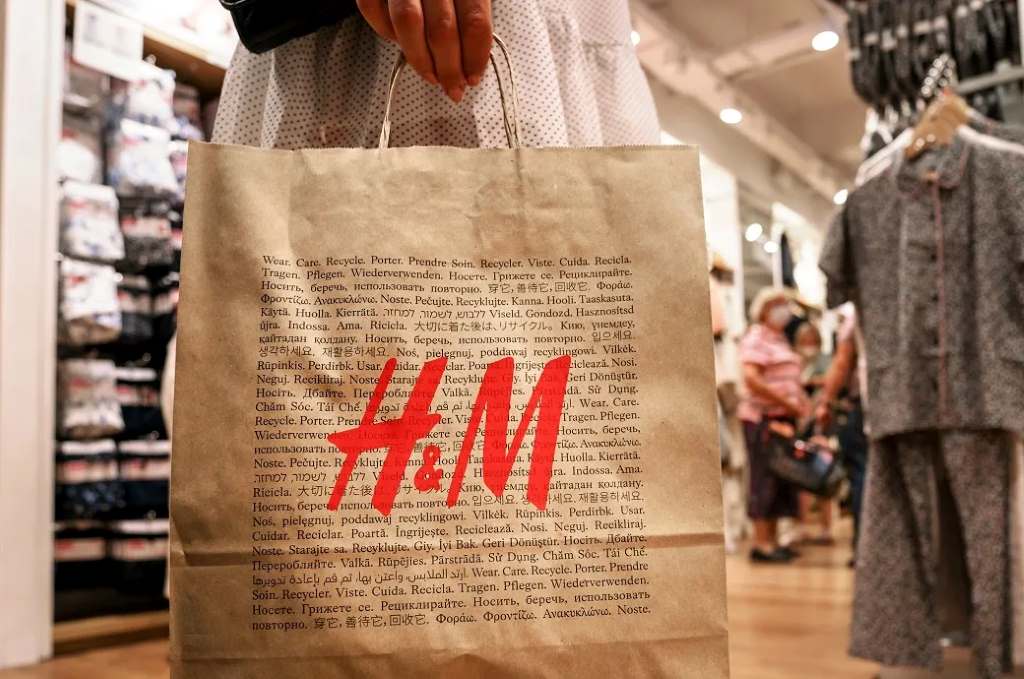
Against a backdrop of intensifying European regulatory pressure, including the imminent mandatory rollout of Digital Product Passports (DPP) by 2027, the expo served as a critical nexus for policy-industry alignment. Beyond technological showcases, the conference program focused on the urgent need for automated sorting infrastructure, with AI-driven Near-Infrared (NIR) spectroscopy now capable of identifying fabric compositions at a rate of 50 garments per second. As brands like H&M and Primark collaborate with recyclers to stabilize feedstock, the message from Brussels is clear: circularity is no longer a niche sustainability goal but a central component of future-proofing supply chains against resource scarcity and strict carbon reporting requirements.
A collaborative platform for brands and recyclers
The Textiles Recycling Expo is a premier international exhibition dedicated to advancing textile waste transformation. It serves as a collaborative platform for brands, recyclers, and policymakers to showcase recycling technologies, fibre regeneration, and circular strategy. The event fosters essential partnerships to accelerate the industry’s transition toward sustainable, closed-loop fashion systems.