

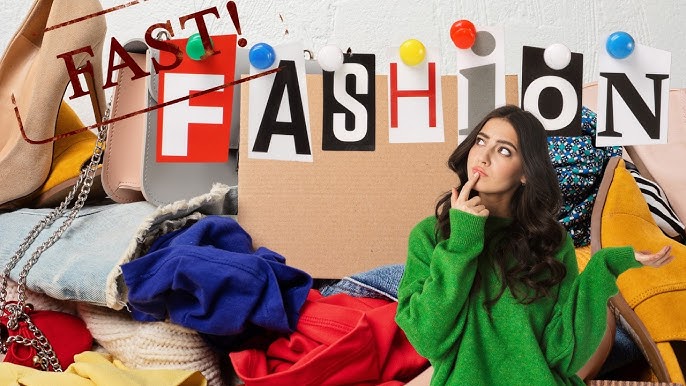
In an era of overflowing wardrobes and instant fashion gratification, a striking paradox has emerged: the more clothes we own, the less satisfied we feel with them. It is the subtle yet pervasive dilemma of the modern consumer, summed up in the ubiquitous complaint: “I have nothing to wear.”
New research from the global resale platform Vestiaire Collective in collaboration with the sustainable design agency WRÅD sheds quantitative light on this phenomenon, surveying over 5,000 consumers across France, Italy, Germany, the UK, and the US. The findings reveal that this daily frustration is not merely a fleeting morning annoyance; it has evolved into a psychological trigger driving overconsumption on a global scale.
Misjudging what we own
Central to the research is a startling perception gap between the physical contents of a closet and the emotional connection owners feel toward them. While the average respondent owns over 100 items, they estimate possessing only 60. This roughly 40 per cent underestimation reflects a cognitive blackout that propels redundant purchasing. Consumers repeatedly buy new garments in an attempt to resolve the sensation of a wardrobe shortage, unaware that the solution often lies in the closet itself.
Table: Comparative analysis of wardrobe habits & INTW prevalence
|
Metric |
Global finding |
Gen Z specifics |
|
Prevalence of INTW |
84% |
94% |
|
Purchase Trigger |
90% buy new items to solve the feeling |
96% use shopping as a fix |
|
Inventory Underestimation |
Avg. estimate: 60 items; Actual: 100+ |
— |
|
Utilization Rate |
15% of clothes worn regularly |
<10% for "fast fashion" heavy users |
|
Forgotten Pile |
25% admit to losing track of items |
41% found "lost" items during audits |
The data highlights a utilization gap, especially among younger consumers. While Gen Z is often associated with sustainability trends (like thrifting), these stats suggest that high-speed consumption cycles and the "Forgotten" pile are still major hurdles to mindful consumption. The table also illustrates that the wardrobe is not just physically underutilized, it is emotionally underappreciated. Even when garments are present, they remain effectively invisible to the owner.
When clothes outgrow their wearer
The research introduces the concept of ‘Emotional Obsolescence’, a growing driver of the INTW crisis. Seven out of ten episodes of wardrobe frustration are less about a lack of clothing and more about the wearer’s relationship with it. When an item no longer aligns with one’s identity, confidence, or self-perception, it becomes psychologically obsolete.
Primary triggers identified include body image and fit issues, reported by 39 per cent of respondents, where garments no longer align with the physical self. Identity disconnection affects 86.5 per cent of participants, reflecting how clothes must resonate with the ‘current self’ to feel relevant. Decision fatigue arising from overwhelming choices accounts for 22 per cent, while social pressure, including concerns over outfit repetition in digital spaces, affects 18 per cent.
Matteo Ward, CEO and co-founder of WRÅD, contextualizes this behavior: “We have all experienced the feeling of having nothing to wear even with full closets. It is not about the lack of clothes, but the disconnection with them. Through data, we can make this universal emotion visible and question our consumption habits.”
Fashion pressure across borders
The frequency and triggers of wardrobe dissatisfaction vary significantly by region, underscoring the interplay of cultural fashion norms. In the US, 52 per cent of respondents report daily or weekly INTW episodes, primarily driven by trend-driven anxiety. The UK sees 48 per cent of respondents caught in a whirlwind of micro-trends, while Italy’s 44 per cent are motivated by social prestige and the need to match occasions. French respondents, meanwhile, report a slightly lower 38 per cent prevalence, where fit and silhouette standards dominate the psychological calculus.
Table:
|
Region |
Daily/Weekly INTW Struggle |
Primary Driver |
|
US |
52% |
Trend-driven anxiety |
|
Italy |
44% |
Social prestige and occasion-matching |
|
UK |
48% |
Rapidly changing micro-trends |
|
France |
38% |
Fit and silhouette standards |
Resale as a psychological and consumption solution
The study finds that participation in the resale economy, particularly through platforms like Vestiaire Collective has measurable benefits for wardrobe satisfaction. Consumers who buy and sell pre-loved items experience fewer INTW episodes and a deeper connection to the clothes they retain. Specifically, resellers report a 25 per cent higher satisfaction rate, while weekly INTW struggles decrease by 23 per cent. Engaging in resale encourages conscious curation: 65 per cent of users noted that selling unworn items helped them better understand their style and reduce impulse purchases.
This behavioral insight suggests that circular fashion is not just a sustainability imperative; it is a solution to the psychological drivers of overconsumption. By fostering mindful ownership, resale creates a feedback loop where consumers are more intentional, less frustrated, and better aligned with the clothing they already possess.
Implications for the fashion industry
For brands, these findings are a clarion call. The conventional quantity over quality model of fashion, predicated on driving frequent new purchases, is reaching a saturation point. Consumer frustration catalyzes impulse buying, which in turn exacerbates wardrobe disconnection, forming a self-perpetuating cycle. The path forward is clear: success lies not in selling more items but in helping consumers forge meaningful connections with the ones they already own. Conscious curation, pre-loved or higher-quality durable pieces, and designs that endure emotional as well as physical trends will define the next era of fashion strategy. Reconnecting with the wardrobe
The next time a consumer faces a closet brimming with garments yet experiences the urge to click add to cart, the evidence suggests pausing for reflection. The INTW phenomenon is less about quantity and more about emotional resonance. The most sustainable wardrobe is not necessarily the largest, it is the one where each piece feels relevant, valued, and aligned with the wearer’s identity.
In understanding and addressing the psychology behind overconsumption, the fashion industry can turn a paradox into an opportunity: promoting not more clothing, but more satisfaction, sustainability, and connection.











