Global apparel sourcing is entering a new phase in which resilience, compliance and manufacturing depth matter as much as cost competitiveness. As global retailers diversify supply chains to reduce geopolitical risks and improve procurement certainty, India is positioning itself not merely as an alternative to traditional manufacturing hubs but as a preferred long-term production partner.
The shift is being reinforced by a combination of favourable trade agreements, government-backed industrial expansion and increasing investments in integrated manufacturing. The implementation of the India-UK Comprehensive Economic and Trade Agreement (CETA) in July 2026 has removed one of India's biggest competitive disadvantages by eliminating import duties on nearly all textile and apparel exports to the UK. Similar negotiations with European partners could further strengthen India's position in global sourcing networks.
At the same time, the Centre's Rs 10,683-crore Production-Linked Incentive (PLI) scheme and the development of seven PM MITRA mega textile parks are encouraging manufacturers to expand capacity, modernise production and move deeper into value-added segments.
Table: India’s textile & apparel export sector overview
|
Indicator |
Position/Value |
|
Current Export Run-Rate (FY26) |
Rs 3.16 lakh cr (approx. $38 bn) |
|
2030 Export Target |
$100 bn |
|
Target Industry Size by 2030 |
$250 bn |
|
India-UK CETA Impact |
Import duty reduced from 12% to 0% (effective July 2026) |
achieving the export target would require annual growth of nearly 19 per cent over the next four years, underscoring the scale of the transformation underway.
Tariff edge
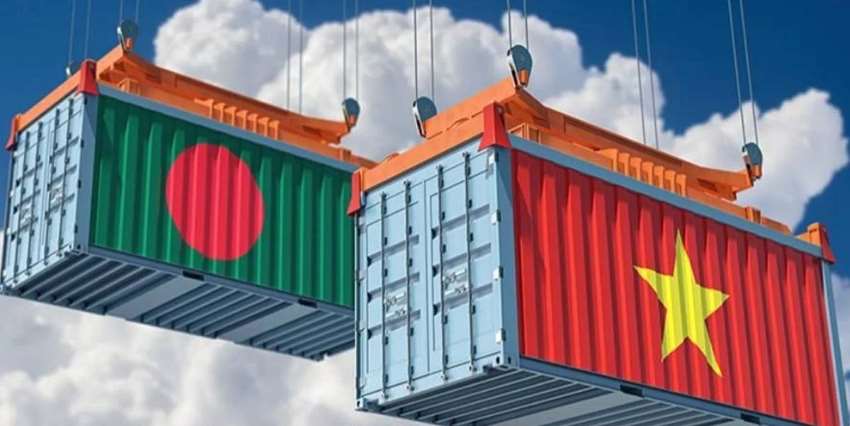
For decades, Indian apparel exporters operated at a tariff disadvantage in major Western markets. Import duties of between 9 per cent and 12 per cent often made Indian products less competitive than those from Bangladesh and Vietnam, both of which enjoyed preferential market access under various trade arrangements.
The India-UK CETA changes that equation by providing duty-free access across almost 99 per cent of tariff lines, including ready-made garments, home textiles and technical fabrics. This substantially narrows the pricing gap while allowing buyers to diversify away from concentrated sourcing bases.
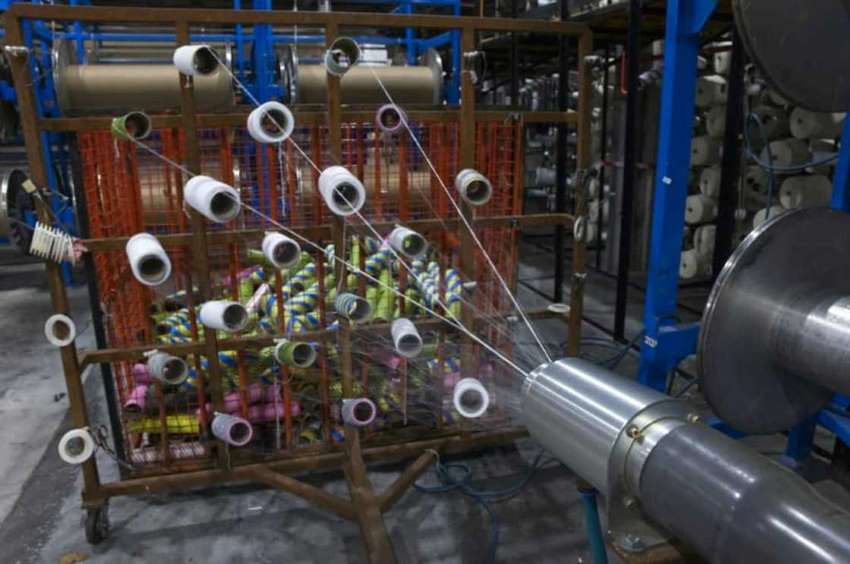
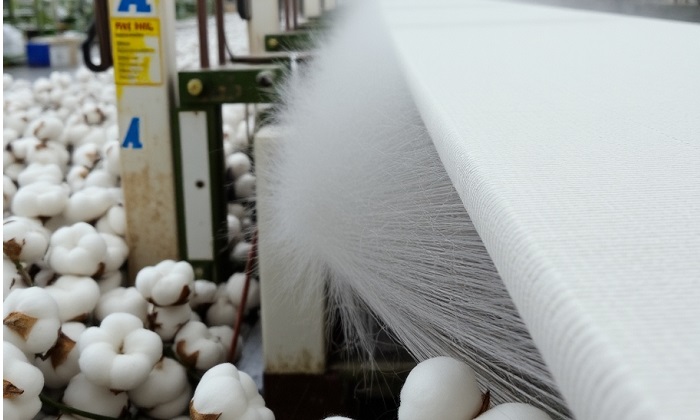
Equally important is India's integrated textile sector. Unlike many competing manufacturing hubs, the country possesses an extensive value chain spanning cotton cultivation, silk production, spinning, weaving, processing and a rapidly expanding man-made fibre (MMF) industry. This integrated structure offers global brands greater supply security at a time when procurement strategies increasingly prioritise resilience over lowest-cost sourcing.
Raj Manek, Executive Director and Board Member of Messe Frankfurt Asia Holdings, believes sustained buyer confidence will determine the next phase of growth. "India's next growth cycle in textiles depends directly on cementing buyer confidence in speed, compliance and large-scale execution. Trade platforms offer global procurement heads a single point to verify compliance, evaluate raw material quality and contract large-scale orders directly with integrated producers."
Building capacity
Despite producing nearly 23 per cent of the world's raw cotton, India has captured only around 3 per cent of global ready-made garment exports. The gap has largely reflected fragmented weaving, processing and finishing capacities rather than any shortage of raw material.
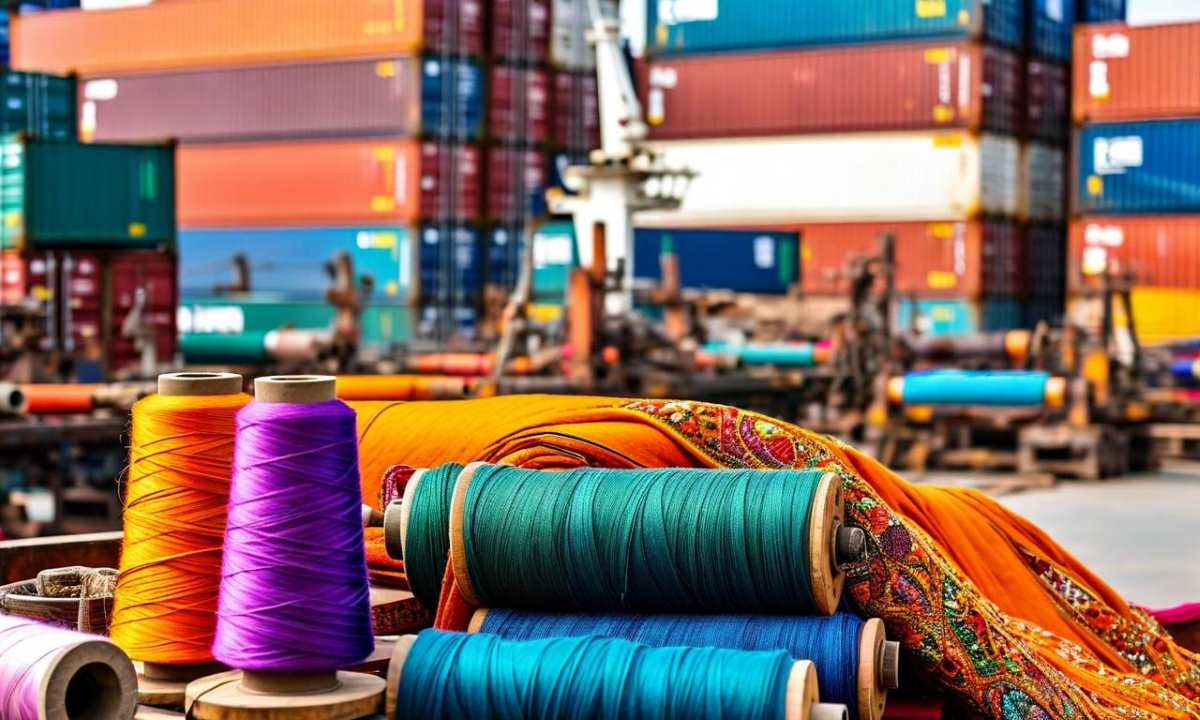
Industry exhibitions and business-to-business sourcing platforms are helping bridge this disconnect by bringing machinery suppliers, fibre producers, garment exporters and international buyers onto a common platform. Such interactions are boosting investments in automation, traceability systems, water-efficient processing technologies and environmental compliance that have become prerequisites for international sourcing.
Himani Gulati, Director at MEX Exhibitions, says the role of trade platforms has evolved significantly. "B2B trade platforms are no longer just transaction spaces; they are infrastructure nodes driving technological upgrades across mid-sized textile enterprises. By bringing global machinery OEMs and chemical suppliers directly to domestic producers, we accelerate the adoption of sustainable processing techniques that international buyers now mandate."
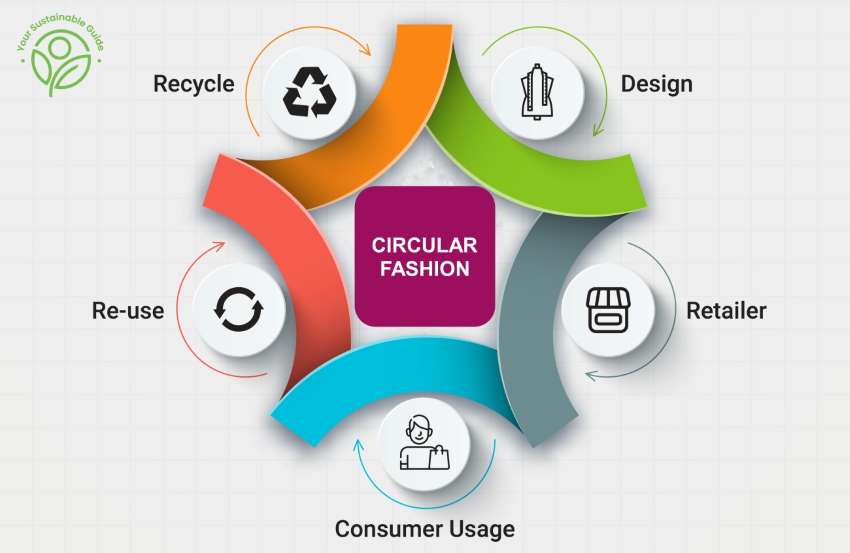
The growing emphasis on environmental, social and governance (ESG) compliance is also pushing Indian manufacturers to upgrade effluent treatment systems, chemical management and digital traceability across their operations.
Moving up the value chain
While cotton apparel continues to dominate India's export basket, manufacturers are steadily shifting towards higher-margin product categories. Cotton garment exports reached Rs 1.39 lakh crore during FY26, reflecting India's continued strength in natural fibres. However, policy incentives are encouraging faster expansion in MMF and technical textiles, segments where global demand is growing more rapidly.
Man-made yarn and synthetic fabric exports rose 3.6 per cent during the year to Rs 42,687 crore, supported by capital incentives under the PLI programme. At the same time, technical textiles used in automotive, medical, industrial and protective applications are attracting significant investment because of their higher value addition and relatively stable demand cycles.
Table: India's emerging value-added textile strategy
|
Segment |
FY26 Trend |
Significance |
|
Cotton Garments |
Rs 1.39 lakh crore exports |
Remains India's largest export category |
|
MMF Yarn & Synthetic Fabrics |
Rs 42,687 crore exports, up 3.6% |
Diversifies beyond cotton dependence |
|
Technical Textiles |
Capacity expansion underway |
Higher margins and specialised industrial demand |
This diversification is expected to reduce dependence on traditional cotton apparel while improving export profitability.
Integration pays
India's largest apparel exporter, Shahi Exports, shows how vertical integration is becoming a competitive differentiator. With support from the government's PLI scheme, the Bengaluru-based company established backward-integrated synthetic fabric processing facilities to reduce reliance on imported inputs. The strategy enabled it to offer European brands fully traceable activewear manufacturing from yarn processing through finished garments at a time when buyers increasingly seek transparent and integrated supply chains.
The integrated model reduced order-to-delivery lead times by around 20 days, strengthening customer relationships and helping secure long-term sourcing agreements. The experience reflects a broader trend across the industry. Tariff parity alone may open markets, but sustained export growth will depend on manufacturers' ability to deliver speed, compliance, scale and product innovation simultaneously.
As international sourcing strategies continue to evolve, India's competitive advantage is being shaped not by low-cost manufacturing alone but by the depth of its industrial ecosystem. If investments in integrated production, technical textiles and sustainability continue at the current pace, the country could move well beyond its traditional role as a raw material supplier to become one of the world's leading value-added apparel manufacturing centres by the end of the decade.