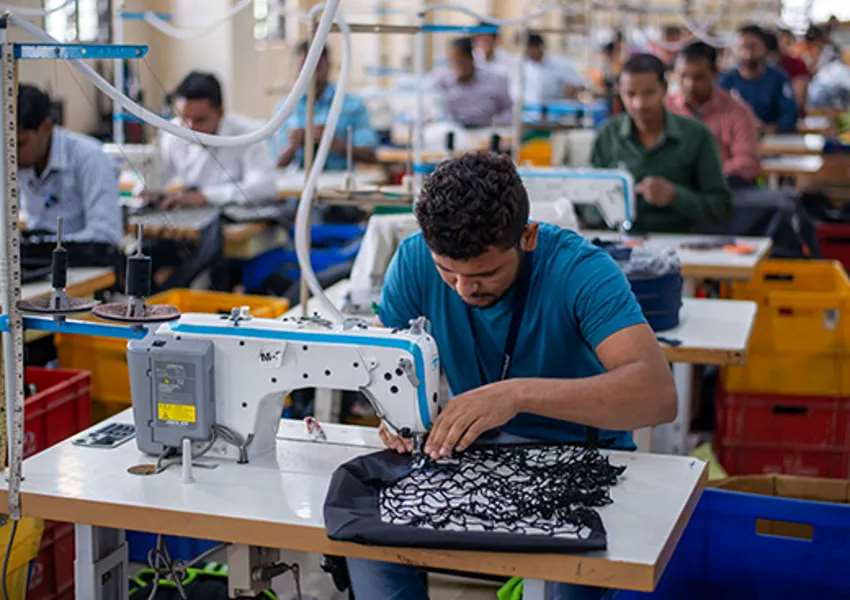
Most global brands doing business in Bangladesh have decided not to move away from the country. They will continue to buy products from Bangladesh’s garment sector despite serial attacks on the foreigners by the Islamist extremists.
Despite the terror strike at a Dhaka restaurant that raised eyebrows of many US-based fashion brands, the Alliance for Bangladesh Worker Safety has declared that most of the US companies have decided to stay in Bangladesh and purchase products from Bangladesh’s garment industry.
Meanwhile, along with other friendly countries, US has also expressed serious concern over the security conditions in Bangladesh and offered help in country’s fight against terrorism. People of Bangladesh have been witnessing serial attacks on religious minorities, foreign nationals and independent bloggers from the last couple of years, but the Dhaka café attack was the biggest among them that caught global attention since many foreigners including Japanese, Italian and Indian nationals were killed in the attack.
In order to help Bangladesh in its fight against growing extremism, the United States has agreed to work together. Bangladesh’s Information Minister Hasanul Haq Inu has recently made it clear that like Bangladesh, the US is also worried about the security situation in the country. He added that the US has expressed willingness to work with the government of Bangladesh to address issues like cyber crime and militancy.
- 1
- 2
- 3
- 4
- 5
- 6
- 7
- 8
- 9
- 10
The second life economy gets a boost as resale outgrows traditional apparel reta…
For decades, resale existed in the margins of the apparel economy, thrift stores, peer-to-peer marketplaces, and charity bins quietly absorbing... Read more
Rising polyester costs shake India’s textile manufacturing hubs
India’s synthetic textile industry is confronting a sudden and destabilizing price shock that is reverberating across its vast manufacturing ecosystem.... Read more
Cotton markets hold firm as tariffs, higher supply reshape global fiber economic…
In a year marked by tariff escalations, geopolitical brinkmanship and a recalibration of global trade flows, the international cotton market... Read more
Beyond Cotton How Kapok could redefine sustainable insulation in textiles
In the lush, humid heart of Southeast Asian rainforests stands a giant, a silent sentinel of the forest canopy. Growing... Read more
Bharat Tex 2026: Redefining the global textile value chain
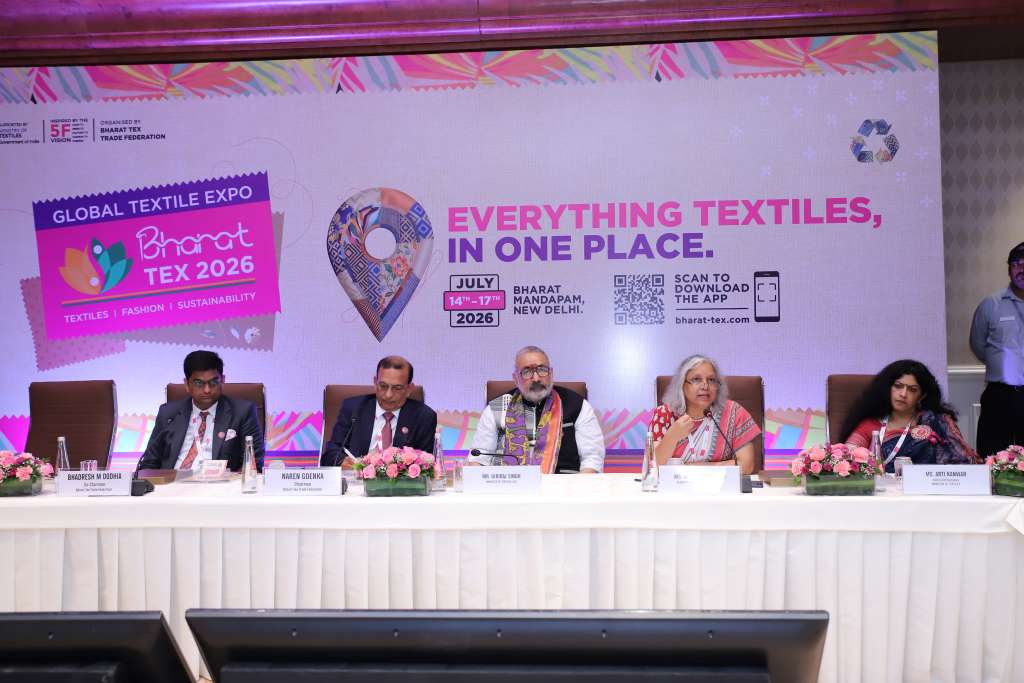
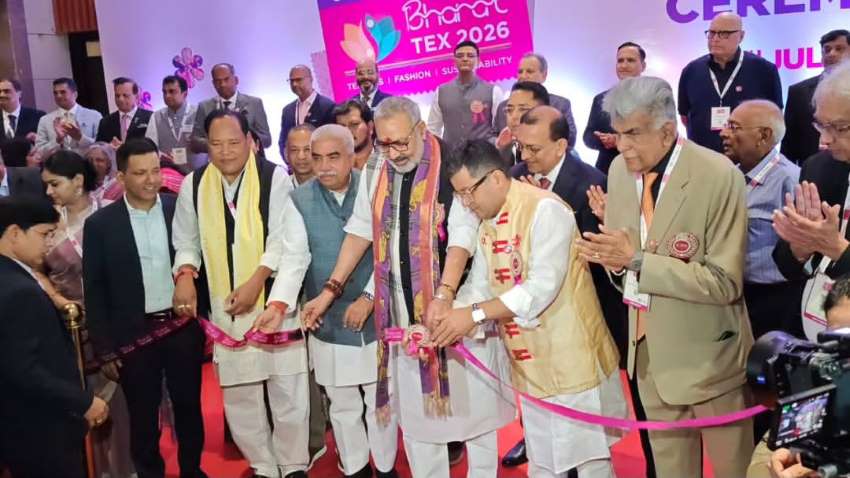
Union Minister of Textiles, Giriraj Singh, has officially unveiled Bharat Tex 2026, signaling a significant leap in India’s influence over... Read more
Intertextile Shanghai Spring 2026: A hub for global textile innovation
The textile industry’s pulse is quickening as Intertextile Shanghai Apparel Fabrics – Spring Edition prepares to open its doors from... Read more
Moscow Fashion Week 2026: Blending sustainable innovation with timeless glamour
Scheduled to run from March 14-19, 2026 in Moscow, Russia, the Moscow Fashion Week (MFW) is cementing its status as... Read more
The Store as Stage: How fashion is crafting immersive consumer worlds
The North American fashion retail sector in 2026 is shedding its product-first identity and shifting towards a model that values... Read more
Turning the supply chain upside down, on-demand production reshapes apparel
The global fashion industry, long celebrated for its creativity and scale, is facing a structural reckoning. For decades, retailers and... Read more
Intertex Milano 2026 - A global nexus for textile innovation
Intertex Milano is set to return this summer, confirming its status as a premier international destination for the textile and... Read more