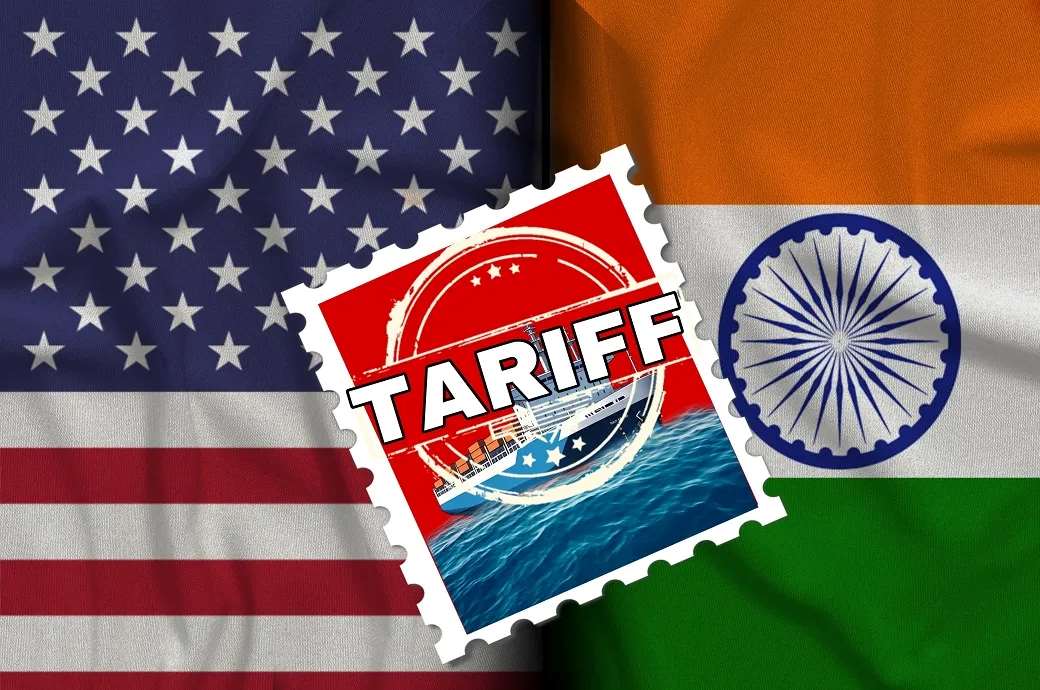
The US plans to suspend duty-free access to Rwandan textile imports. The reason is the African nation’s refusal to lower trade barriers for American-made clothing and shoes.
Rwanda is among the countries eligible for trade benefits under the African Growth and Opportunity Act. AGOA rewards African nations that undertake economic and governance reforms with duty-free US market access.
Rwanda was among three East African nations—the others are Tanzania and Uganda--that banned imports of used clothing and shoes from the US. The US-based Secondary Materials and Recycled Textiles Association said the ban would impose significant economic hardship in the US used-clothing industry. However, the US won’t suspend AGOA benefits for Tanzania and Uganda saying they have taken steps toward eliminating prohibitive tariff rates on imports of used clothing and footwear and committed not to phase in a ban of these products.
The US exported textiles and apparel worth 330,000 dollars to Rwanda in 2016. Coffee and tea shipments were among top exports to the US. Rwanda has been improving its overall business environment, winning praise for rebuilding since a genocide in 1994 that killed as many as 8,00,000 people. The country ranked second in Africa, behind Mauritius, in the World Bank’s 2018 Doing Business report, said it has carried out the most business-friendly reforms in the region in the past 15 years.

- 1
- 2
- 3
- 4
- 5
- 6
- 7
- 8
- 9
- 10
Spykar accelerates offline expansion: plans 100 new stores across India
A titan of the Indian denim-first fashion scene, Spykar has officially unveiled an aggressive retail growth strategy. As consumer demand... Read more
The Inventory Illusion: Rethinking the Zara benchmark in a volatile retail era
For over a decade, the global fashion industry has treated the Zara playbook as the gold standard of inventory efficiency.... Read more
Retail Without Retail: How Walmart’s depot network is turning space into logisti…
Walmart is fundamentally rewriting the commercial real estate and retail logistics playbook with the rise of its ‘Walmart Depots’ a... Read more
Global textile regulation tightens, forcing realignment across fashion supply ch…
Global fashion and consumer goods supply chains are entering a decisive regulatory transition as Extended Producer Responsibility (EPR) frameworks for... Read more
Luxury’s new power axis, US dominance, China reset, Gulf surge
As the post-China luxury order takes shape, the US is emerging as the industry’s most dependable growth engine, while Japan,... Read more
India’s $9 Billion Landfill Blind Spot How trashed clothes hold the key to globa…
A massive economic windfall is sitting uncollected in India’s landfills, and the key to unlocking it lies in rethinking how... Read more
Red Sea crisis reshapes textile trade routes, challenges India’s export margins,…
Global apparel trade is now in a new operational phase where geopolitical stability and logistics reliability are as important as... Read more
EU’s textile waste rules enter enforcement phase, raising alarms across fashion …
Europe’s apparel and textile industry is approaching one of its most significant regulatory transitions in decades. As the European Union... Read more
Corporate fashion adopts reverse logistics to unlock the $367 bn resale market
Global fashion retailers are rapidly changing their business models around resale, repair, and textile recovery as the secondhand apparel market... Read more
Tariff Shock 2026: Forced-labor enforcement is repricing global fashion trade
Washington’s latest trade intervention signals a break in the global apparel sourcing patterns. The Office of the United States Trade... Read more