Political unrest is making Bangladesh's readymade garment exporters worried. They fear losing orders. International buyers usually place most of their orders at this part of the year. A country-wide blockade has been launched by the opposition party. Exporters feel such a blockade will disrupt supply chain of imported raw materials and hamper production and cause shipment delays.
Because of the turmoil, workers have not been able to readymade garment factories, especially those located in the capital. Political unrest led buyers to cancel orders worth in 21 days of December 2013. Several factory owners have urged the ruling party as well as other political parties to shun confrontational politics to let the economy grow at the desired rate needed for becoming a middle income country by 2021.
In the meanwhile a decision has been taken to transport outbound readymade garment products to Chittagong port under police escort during the countrywide blockade to ensure timely shipment, and to bring raw materials from the port city. At one time, before the blockade, the increasing numbers of international orders, boosted by ebbing worries on regulatory incompliance and a stable political front, promised a rewarding 2015 for garment makers.
But now hopes are dimming again. Other challenges facing the industry are an inadequate supply of gas and power and poor infrastructure.

- 1
- 2
- 3
- 4
- 5
- 6
- 7
- 8
- 9
- 10
Cellulosics challenge polyester dominance in global fibre market
The global textile raw-materials market has entered a phase where plant-based and regenerated cellulosic fibres have gain ground against fossil-fuel-derived... Read more
From cotton to MMF cost equation is rewriting global textile trade
The global textile and apparel trade has grown from $560 billion in 2006 to $914 billion in 2025, reveals the... Read more
Polyethylene stretch yarn challenges elastane’s hold on activewear
The global activewear, denim and intimate apparel markets have built a substantial business around stretch. But the same fibre combinations... Read more
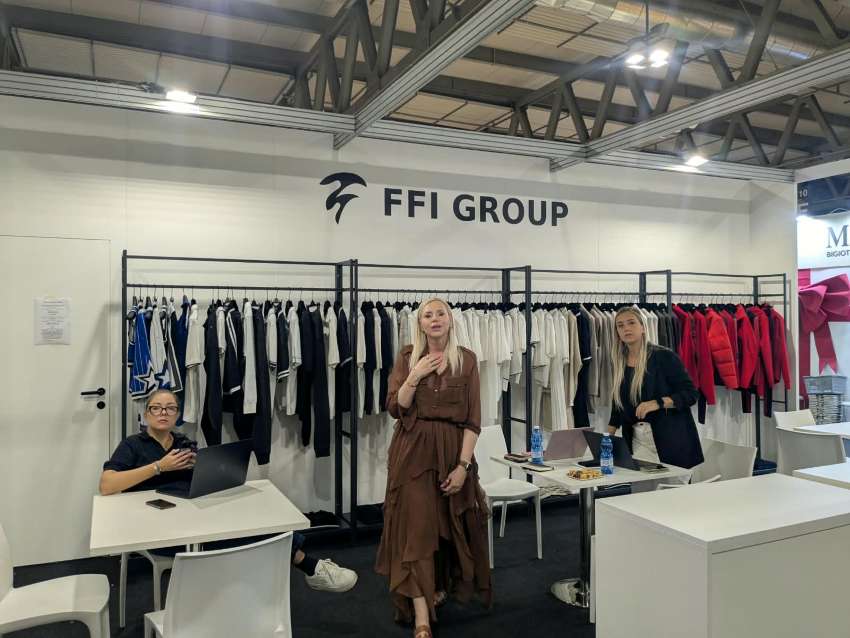
Automation Meets Italian Design: FFI Srl unveils ‘Next-Gen Robotics’ to help bra…
At the recently concluded autumn edition of Ready to Show inside Hall 10 at Fiera Milano-Rho—staged alongside the Milano Fashion... Read more
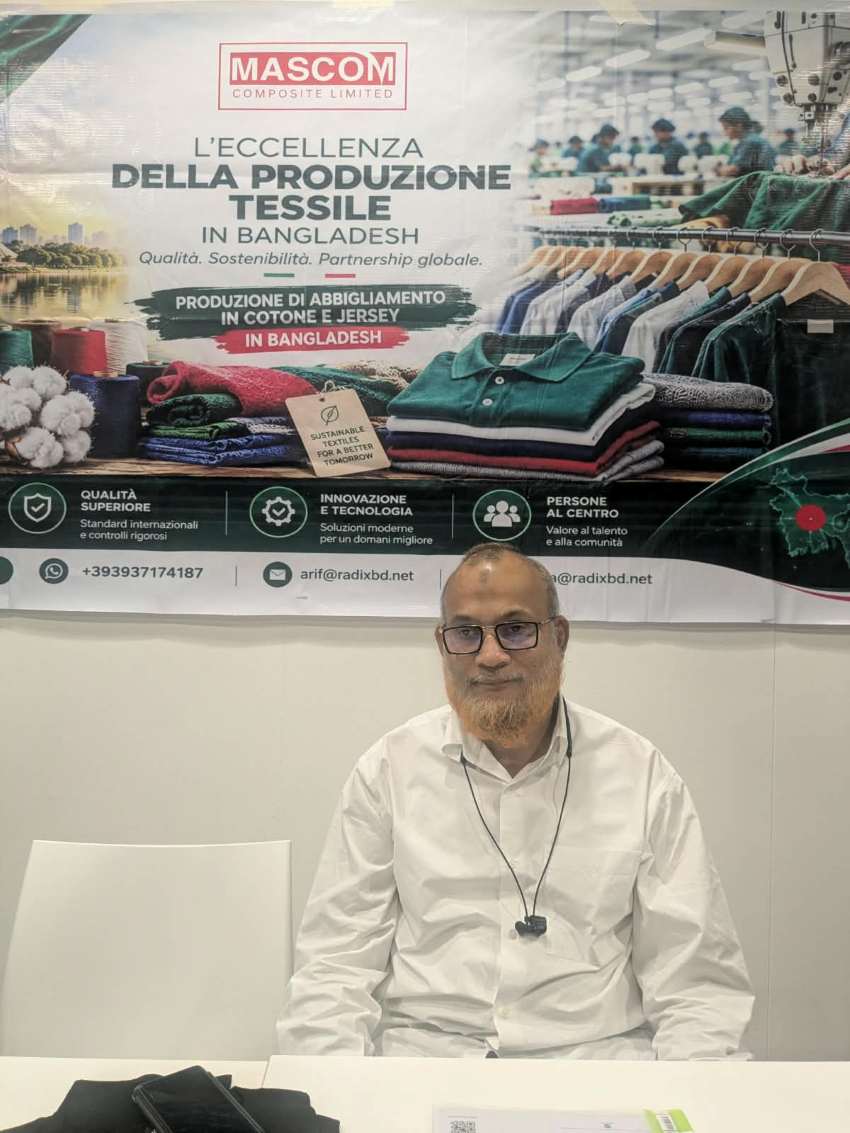
From Dhaka to Milan: Mascom Composite backs Southern Europe’s sports and lifesty…
While the trade floor of Ready to Show Milano inside Hall 10 at Fiera Milano-Rho placed a heavy spotlight on... Read more
How surging silver prices are reshaping ‘Mid-Tier’ fashion jewellery
Escalating global bullion volatility and raw material pricing pressures are forcing a fundamental reassessment across the mid-tier fashion jewellery trade.... Read more
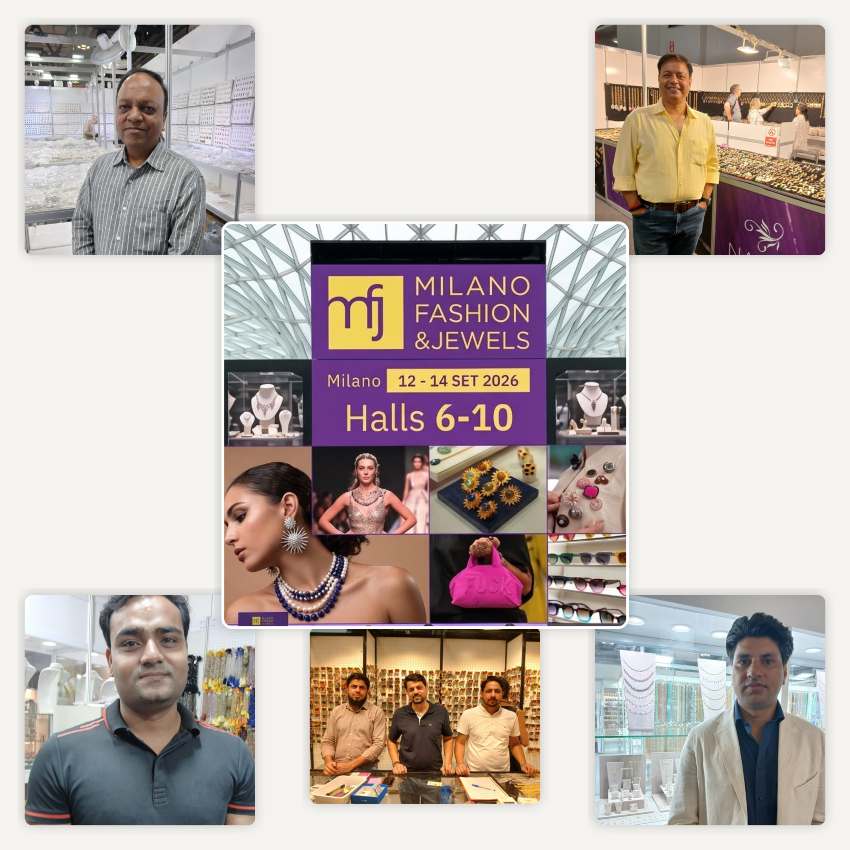
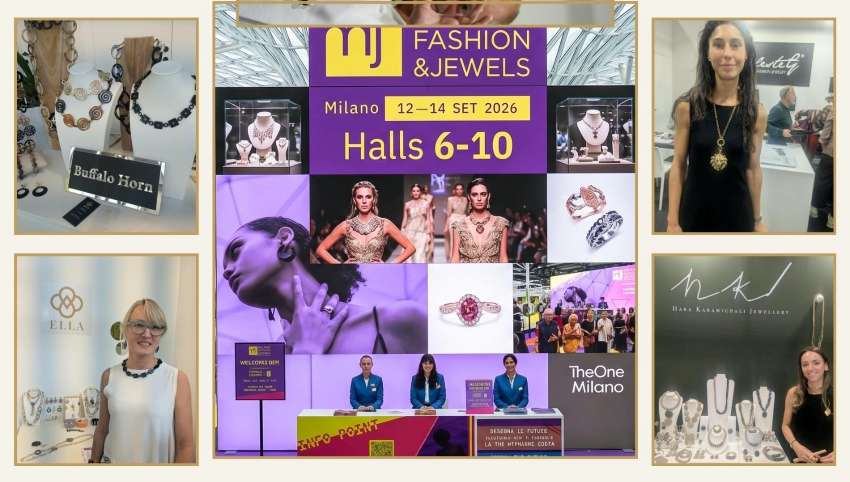
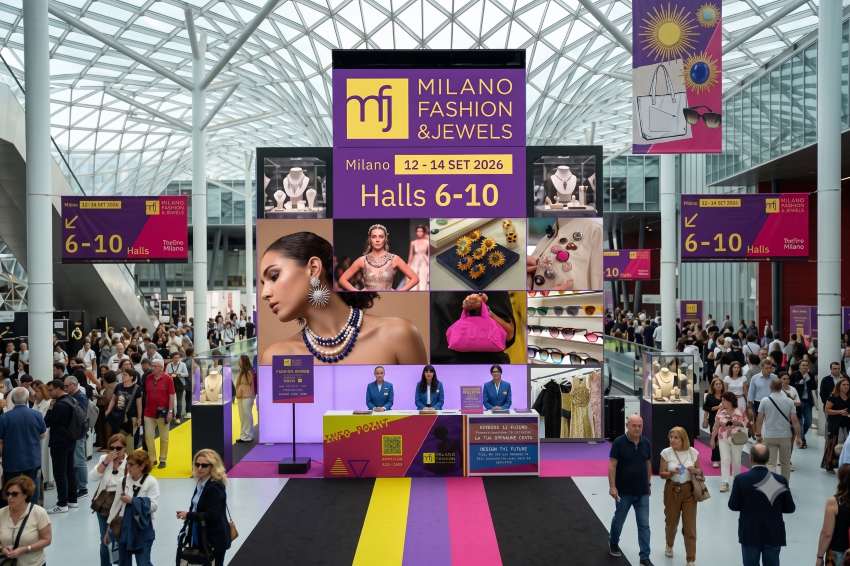
Milano Fashion & Jewels: How ‘Re-Engineered’ heritage crafts are driving hig…
A counter-movement against industrial uniformity is reshaping European bijouterie, transforming authentic craftsmanship into a powerful lever for high-margin boutique growth.... Read more
The "Total Look" Retail Revolution: The integration of jewellery, acce…
The conventional boundaries separating fashion jewellery, ready-to-wear and leather goods, have collapsed on the international retail floor. At the September... Read more
Why Rules of Origin could limit India’s FTA gains
India’s growing network of trade agreements promises lower tariffs and wider market access for its textile and apparel exporters. But... Read more
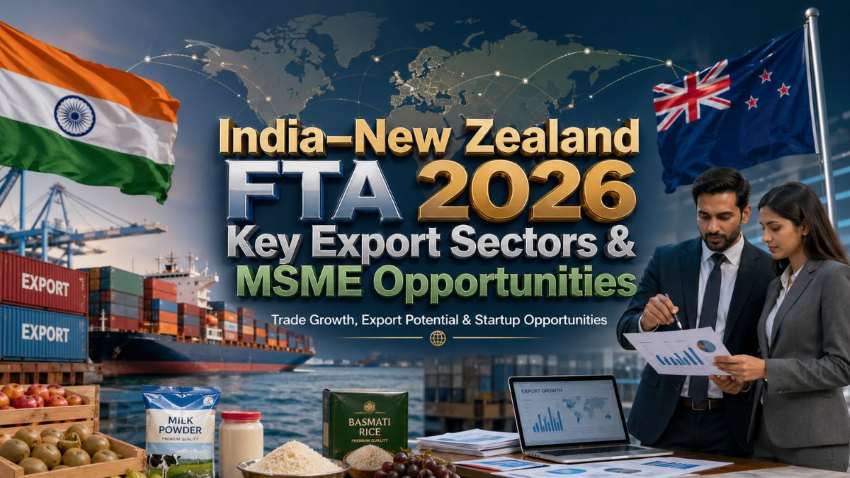
India-New Zealand FTA opens tariff-free route for textile exporters
The India-New Zealand Free Trade Agreement (FTA), which comes into force on October 20, 2026, creates a new tariff-free corridor... Read more