As per a Asia Development Bank study, Bangladesh textile value chain is rising faster than any other Asian country. Reason: shift of low cost manufacturing from China to Bangladesh. In fact, companies Singapore, Japan, Taiwan and South Korea, which have traditionally relied on low cost production in China, have had to adjust. Intraregional trade within the labor-intensive Asian textile industry is still increasingly dominated by China but Bangladesh and Vietnam are emerging as important players, says the ADB report on Asian Economic Integration, 2015.
In the meantime, domestic value added shares of Japan, Korea and China have declined six to eight percentage points during 2000 to 2011. Apart from rising domestic value added shares, the foreign value added to Bangladesh and Vietnam exports is also increasing at a much faster pace than that experienced by the rest of their peers (excluding China).
With rising production costs in other economies, operations are being set up in countries like Bangladesh and Vietnam. Governance gaps and lack of focus have undermined performance in some special economic zones in Asia, while successful zones have managed to build close ties with the domestic economy. Bangladesh has attracted FDI in garments and generated new trade, but has had limited success in upgrading and diversifying special economic zone exports.

- 1
- 2
- 3
- 4
- 5
- 6
- 7
- 8
- 9
- 10
India’s apparel exporters face a new US tariff risk as margins shrink
The enactment of the Lindsey O. Graham sanctioning Russia and Iran Act of 2026 in Washington has introduced a fresh... Read more
Cellulosics challenge polyester dominance in global fibre market
The global textile raw-materials market has entered a phase where plant-based and regenerated cellulosic fibres have gain ground against fossil-fuel-derived... Read more
From cotton to MMF cost equation is rewriting global textile trade
The global textile and apparel trade has grown from $560 billion in 2006 to $914 billion in 2025, reveals the... Read more
Polyethylene stretch yarn challenges elastane’s hold on activewear
The global activewear, denim and intimate apparel markets have built a substantial business around stretch. But the same fibre combinations... Read more
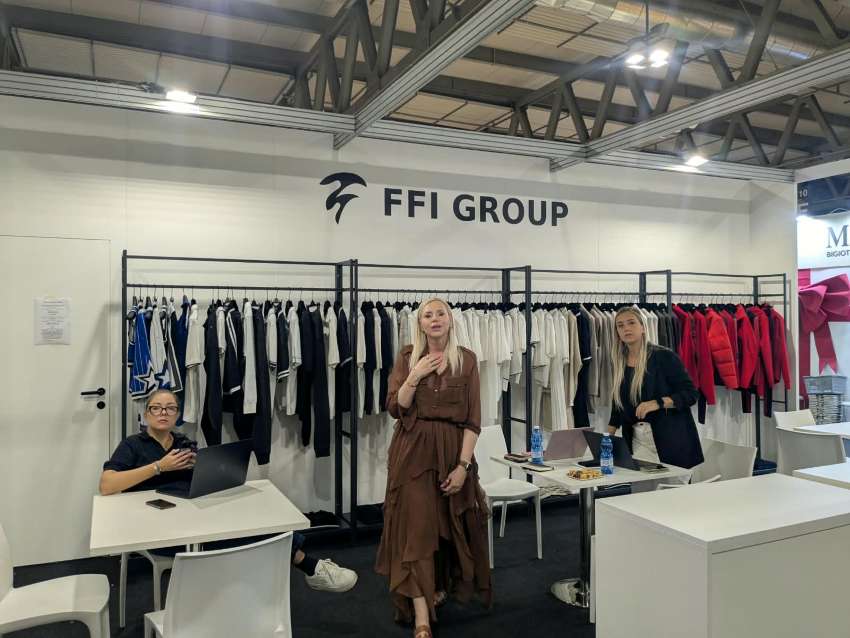
Automation Meets Italian Design: FFI Srl unveils ‘Next-Gen Robotics’ to help bra…
At the recently concluded autumn edition of Ready to Show inside Hall 10 at Fiera Milano-Rho—staged alongside the Milano Fashion... Read more
From Dhaka to Milan: Mascom Composite backs Southern Europe’s sports and lifesty…
While the trade floor of Ready to Show Milano inside Hall 10 at Fiera Milano-Rho placed a heavy spotlight on... Read more
How surging silver prices are reshaping ‘Mid-Tier’ fashion jewellery
Escalating global bullion volatility and raw material pricing pressures are forcing a fundamental reassessment across the mid-tier fashion jewellery trade.... Read more
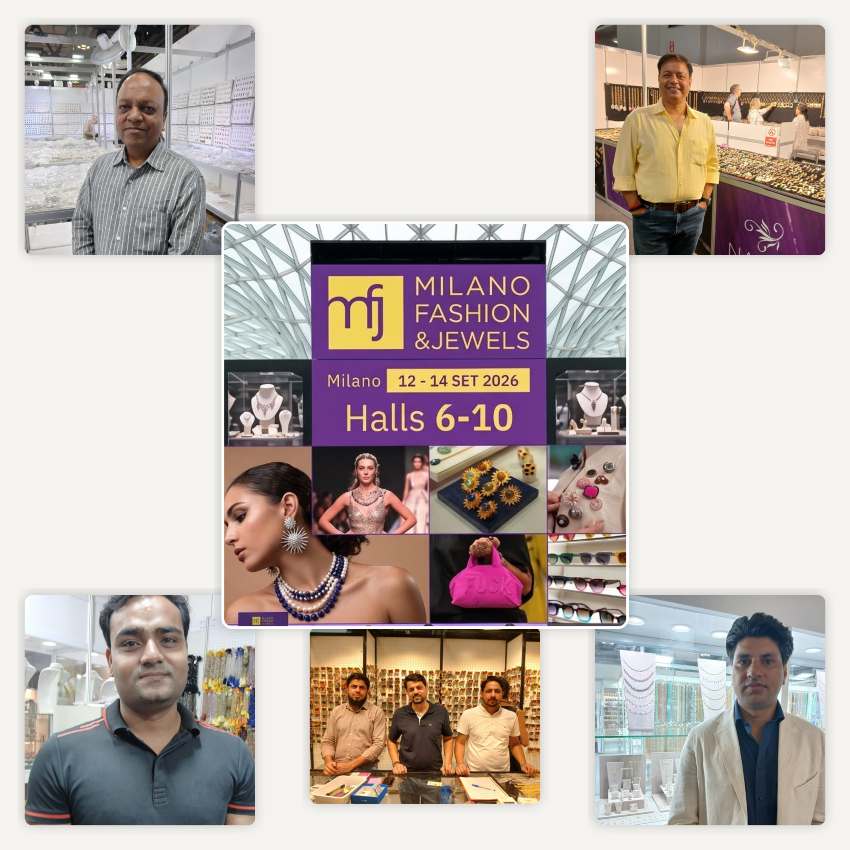
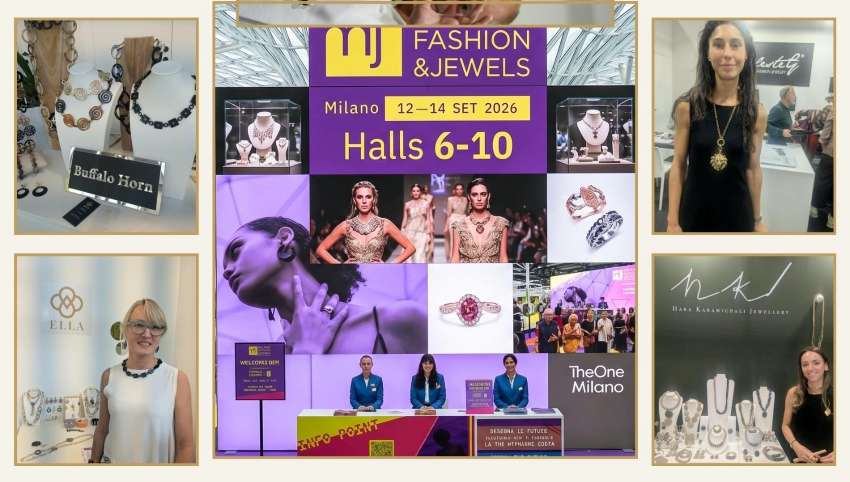
Milano Fashion & Jewels: How ‘Re-Engineered’ heritage crafts are driving hig…
A counter-movement against industrial uniformity is reshaping European bijouterie, transforming authentic craftsmanship into a powerful lever for high-margin boutique growth.... Read more
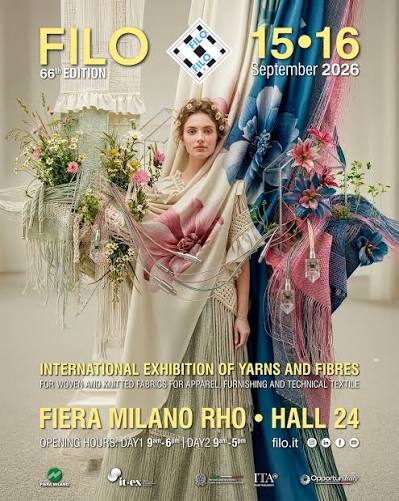
Filo 66: Upstream Realism, Bio-Synthesis, and Cross-Border Alliances anchor Euro…
Navigating macroeconomic uncertainty, persistent raw material volatility, and fragile consumer sentiment, the 66th edition of Filo (September 15–16, 2026, at... Read more
The "Total Look" Retail Revolution: The integration of jewellery, acce…
The conventional boundaries separating fashion jewellery, ready-to-wear and leather goods, have collapsed on the international retail floor. At the September... Read more