Since the start of the year, a rapid deterioration of growth prospects including rising inflation and tightening financing conditions, has ignited a debate about the likelihood of a global recession—a contraction in global per capita GDP. Drawing on insights gained from previous global recessions, this study presents a scientific analysis of the recent evolution of economic activity and policies, and a model-based assessment of possible near-term macroeconomic outcomes.
Consensus forecasts for global growth in 2022 and 2023 are downgraded significantly since the beginning of the year. Although these forecasts don't point to a global recession in 2022–23, experience from earlier recessions suggests that a minimum of two developments—which have already materialized in recent months or may be underway—heighten the likelihood of a global recession in the near future. First, every global recession since 1970 was preceded by a big weakening of global growth in the previous year, as went on recently. Second, all previous global recessions coincided with sharp slowdowns or outright recessions in several major economies.
Is Europe already in recession?
Almost six months after Putin ordered Russian troops into Ukraine, the extent of the damage to the EU economy is becoming clear. The red lights of recession are flashing. The Eurozone’s big four economies – Germany, France, Italy and Spain – have all had their growth forecasts for 2023 downgraded by the International Monetary Fund , as a mixture of the war and higher interest rates put a brake on activity. In the UK, inflation is above 10% for the first time in 4 decades as households struggle with rising energy bills. The Bank of England forecasts inflation will peak above 13% in autumn after a fresh increase in energy costs, while the economy will fall under a lengthy recession. “In the near term we expect a recession in Europe within the winter of 2022-23 as a result of energy shortages and sustained elevated inflation”, the EIU said. “The winter of 2023-24 also will be challenging. We expect high inflation and sluggish growth until at least 2024.”
US seems resilient
Treasury Secretary Janet Yellen indicated that the economy was only “in a period of transition” during a White House press briefing on July 24. “I would be amazed if they might declare this period to be a recession, whether or not it happens to have two quarters of negative growth.” Yellen said, adding that the economy had rapidly grown 5.5% last year. “We have a really strong labor market. Once you are creating almost 400,000 jobs a month, that's not a recession.” However, middle income households have seen the effect of uncurbed recession, shooting up their household expenses by close to 8%. Predictions cite that the US could also be able to stave of a recession until 2024.
What lies ahead for the apparel sector?
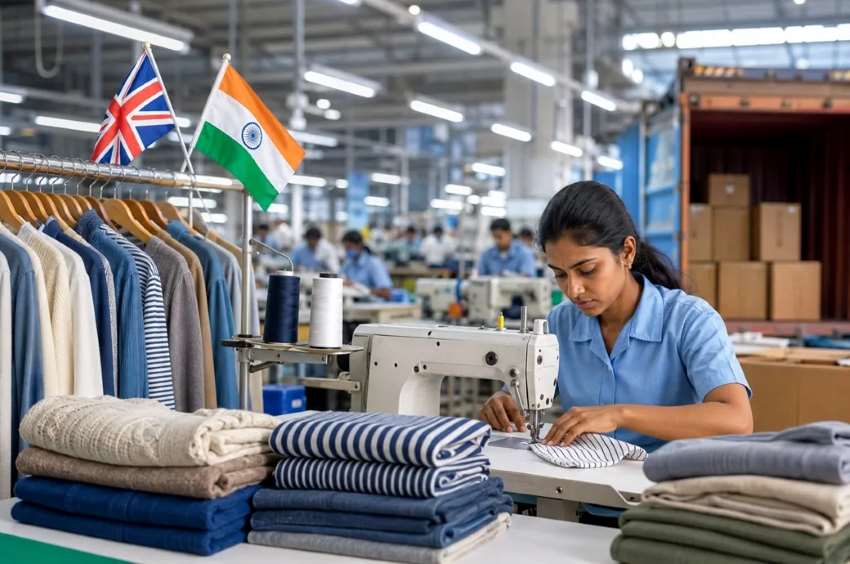
The global apparel industry is still working hard to resolve the supply chain issues caused by the pandemic, but the challenge is intensifying with soaring energy prices and record-breaking inflation levels, to not mention a threat of ‘recession’. Industries round the world are adapting cost cutting techniques to survive the effect of recession. The Indian apparel industry is gearing up itself to survive the upcoming recession's onslaught as global recession is knocking at the doors of the Indian textile industry. The impact of recession is clearly visible on new orders received by the Indian exporters. Industry bodies and businessmen said export orders of clothes and home textiles from the US and Europe have declined by about 15-20 per cent, as western retail brands face slow demand. Apparel Export Promotion Council Chairman Narendra Goenka had earlier said that apparel export orders are estimated to decrease by about 15-20 per cent.
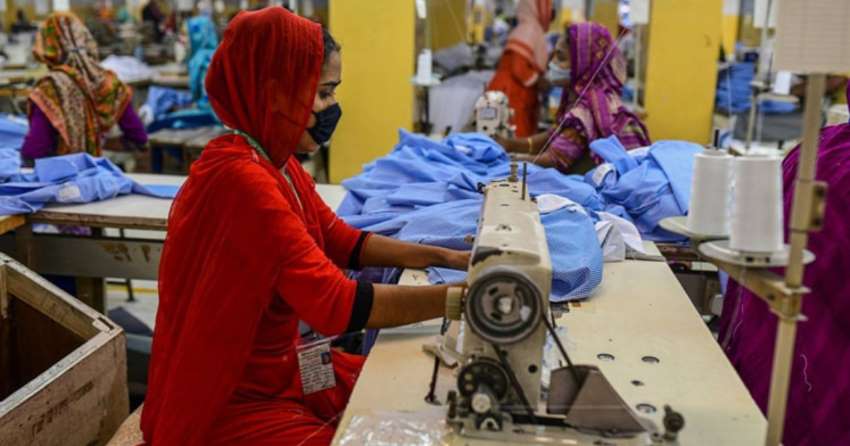
August 2022 recorded the lowest global manufacturing PMI in the last 26 months, standing at 51.1. China, Brazil, Spain, and Australia did register a minor growth in production but the US, Japan, the UK and EU witnessed shrinkage. Vietnamese exporters, major international players, are facing between 20 to 25% increase in their production cost as raw material and oil prices keep rising. Another export market hit is Bangladesh, with exporters struggling to cut production cost, deal with USD shortages to buy material and a sharp drop of orders as well as postponement of existing orders.
All signs indicate a recession is well on its way and will severely affect businesses and economies that are prioritized on garment exports.