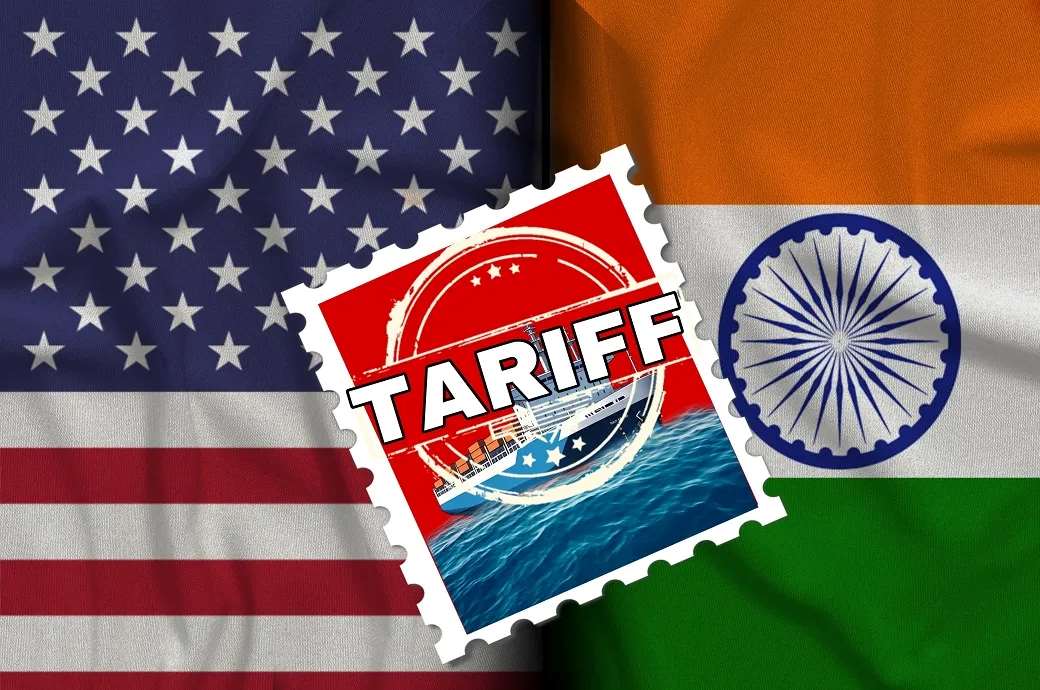
The ongoing trade dispute between the United States and China will benefit Thailand and Asean member states to play a starring role in US supply chains. Asean will be a more attractive destination for FDI, particularly in high-tech sector. The main reason for optimism is that the US is moving forward with implementing its Indo-Pacific strategy, with free and open as core terminologies for the various bilateral relationships with the US in this region.
The strategy aim to strengthen economic cooperation between the US and Indo-Pacific nations while also allowing the US to support the region against potential coercion and loss of sovereignty. The strategy aims to further open sea lines of communication and airways, which are vital lifelines for many Asian economies. It’s estimated that 50 per cent of world trade goes through the Indo-Pacific along sea routes, particularly the South China Sea, where China has been intensifying its claims of sovereignty.
Though there will be some disruption in the course of the US adjusting its economic relationship with China, an adjustment that is long overdue and inevitable, in the immediate term, there is thus a huge opportunity embedded in the current strained economic relationship between the US and China.
- 1
- 2
- 3
- 4
- 5
- 6
- 7
- 8
- 9
- 10
US trade rulings and labor slowdown reshape 2026 cotton supply chains
The global cotton industry is entering a period of adjustment, shaped by legal rulings, trade policy recalibrations, and a softening... Read more
Zero-tariff paradigm drives strategic re-sourcing at Global Sourcing Expo 2026
Projected to reach a valuation of $30.3 billion this year, the Australian textile and apparel market is entering a period... Read more
Strategic manufacturing takes center stage at Gartex Texprocess Mumbai 2026
A $179 billion industrial cornerstone contributing 2 per cent to the national GDP, the Indian textile and apparel sector is... Read more
The Hidden Tax on Fashion: 2026’s EPR rules squeeze margins and shake supply cha…
As the 2026 enforcement deadlines for California’s SB 707 and the European Union’s harmonized Waste Framework Directive loom, the global... Read more
Guess? Inc. retreats from China as American cool hits a cultural wall
For more than two decades, Guess? Inc., the emblem of ‘accessible American cool’, maintained an ambitious footprint in China. At... Read more
The Hormuz Effect: Why a distant war is shaking Bangladesh’s garment exports
The immediate impact of the Iran- Isarel-US conflict is being felt in the logistics arteries that connect Bangladesh’s factories with... Read more
The rise of localized luxury, MEA, North America, and India lead growth
The global luxury industry is no longer defined by relentless expansion. The ‘2025 Global Luxury Brandwatch Report’ highlights a sector... Read more
Hormuz blockade sends shockwaves through India’s textile chain as polyester cost…
What began as a geopolitical escalation in the Gulf has rapidly metastasized into a full-scale industrial disruption for India’s textile... Read more
India’s National Fibre Scheme decouples textiles from global supply risks
For decades the Indian dominated spinning, weaving, and garment exports while remaining paradoxically dependent on imported man-made fibres and specialty... Read more
From London to Tokyo, premiumization redefines retail and office markets
Global real estate landscape has changed. Gone are the cautious narratives of recovery that defined the post-pandemic years. Today, flight... Read more