The Australian textile and apparel trade landscape is undergoing a notable transition as fiscal year 2026 data reveals divergent trends between finished garments and raw materials. According to recent Australian Bureau of Statistics (ABS) figures, apparel imports contracted by approximately 3.3 per cent during the July 2025–April 2026 period, reflecting a broader cooling in consumer demand. This decline is largely attributed to a localized cost-of-living squeeze, which has constrained household budgets and dampened retail activity across the nation. Conversely, imports of textile yarn, fabrics, and made-up articles have demonstrated counter-cyclical growth, rising by 2.4 per cent during the same timeframe. This uptick suggests that while local retailers are exercising caution with finished inventory, domestic manufacturing and processing sectors are actively sourcing raw materials to sustain operations.
Economic headwinds and future outlook
This import behavior underscores a period of heightened caution within the industry. With Deloitte Access Economics recently revising Australia’s 2026-27 GDP growth forecast downward to 1.3 per cent, the retail sector faces a sustained period of subdued expenditure. Industry analysts observe that supply chain managers are prioritizing lean inventory models to mitigate risks associated with volatile consumer confidence. Despite the apparel dip, the resilience in textile imports indicates a strategic focus on value-added manufacturing, as firms attempt to insulate themselves from the pricing pressures impacting imported finished goods. The market is recalibrating as businesses balance inflationary pressures with the necessity of maintaining operational throughput, noted one industry observer. For the remainder of 2026, the sector is expected to favor operational efficiency over aggressive expansion, awaiting stabilization in consumer sentiment.
The Australian textile ecosystem
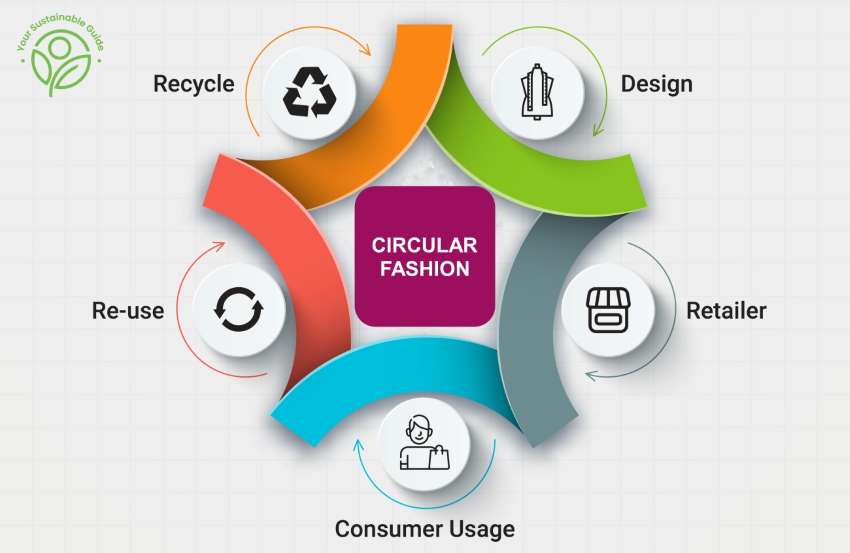
Australia’s textile and apparel market was valued at US$ 30.3 billion in 2025, with a projected CAGR of 4.66 per cent through 2034. The sector spans raw fiber production, specialized textile manufacturing, and large-scale apparel retail. Current growth initiatives emphasize digital transformation, circular economy adoption, and sustainable material innovation.