FW

In a transformative stride towards eco-conscious fashion, Sri Lanka's textile industry pioneers a sustainable revolution rooted in centuries-old traditions of natural dyeing. The nation's rich biodiversity provides a diverse palette, with industry leaders such as Hayleys Fabric PLC, Noyon Private Limited, Dynawash, and Ocean Lanka spearheading the charge.
Hayleys Fabric PLC's 'Warna by Mahogany Innovation' stands out as a game-changer, recognized globally for its eco-friendly textile innovation. Utilizing waste from the local furniture industry to extract dyes, 'Warna' represents a groundbreaking waste-to-fashion initiative. Their 'Midnight by Charcoal' range, featuring organic prints from biomass charcoal waste, secures international acclaim, marking the second consecutive recognition by ISPO.
Noyon Private Limited's 'Planetones' sets a benchmark for sustainable dyeing, offering over 50 vibrant colors with significant reductions in water consumption, energy usage, CO2 emissions, and chemical footprints. Dynawash's 'T Hues,' utilizing tea waste, boasts a versatile 52-color palette and a negative carbon footprint, gaining commercial viability with over $1 million in international orders.
Ocean Lanka's 'Ocean Aqua+' dyeing system, conceptualized in-house, redefines the fabric dyeing process, enhancing capacity utilization and productivity while championing environmental conservation.
Collaborating globally and integrating into platforms like Fashion for Good, these companies signify Sri Lanka's commitment to sustainable fashion, where innovation, sustainability, and global partnerships propel the textile industry towards a future that not only adorns but also nurtures the planet.
EURATEX, the European textile and clothing industry association, is applauding a significant milestone as the European Commission secures unanimous support for the new rules of origin under the Pan-Euro-Mediterranean (PEM) Convention. This achievement, following a decade of robust negotiations backed by EURATEX, marks a historic moment in fostering trade and investments in the expansive "PanEuroMed" region, encompassing 27 EU member states and 24 partner countries.
The PEM Convention, initiated in 2013 with the European Commission's proposal to enhance trade ties in the PEM region, introduces modernized rules of origin, eliminating duty-drawback prohibitions and introducing the pivotal principle of "full cumulation." With trade between the EU and PEM countries reaching a staggering €677 billion in 2023, the region is a focal point for the EU, constituting 35% of the textile and clothing sector's exports and 21% of its imports.
In a strategic move, the agreement is poised to accelerate the integration of textile and clothing supply chains, fostering production and trade within the Euro-Mediterranean area. Particularly noteworthy is the potential to attract companies seeking to relocate their production from Asia to nearby, like-minded, and reliable countries.
Alberto Paccanelli, President of EURATEX, emphasized the significance of this achievement in aiding European companies in recovering from the multifaceted crises since 2020. Calling on the European Union to sustain momentum, Paccanelli urged further efforts in securing trade deals beneficial to European companies, with a specific focus on the EU-Mercosur Agreement and resolving trade disputes with the United States.
EURATEX's Director General, Dirk Vantyghem, hailed the unanimous vote as positive news for the industry and called for active engagement with partner countries to fully leverage the potential of the new rules. He expressed EURATEX's readiness to facilitate an industrial dialogue with companies from PEM countries, facilitating a seamless transition to the enhanced framework. This landmark agreement stands as a beacon for advancing trade and collaboration, steering the Euro-Mediterranean region toward becoming a powerhouse in sustainable textiles and clothing manufacturing.
In a groundbreaking move, VEOCEL, the flagship nonwovens brand of Lenzing Group, has achieved significant milestones in partnerships with key beauty and feminine care brands across the Asia-Pacific region. Collaborations with renowned names like BRIDGE 24/7, Yejimiin, and a global healthcare and beauty retailer underscore VEOCEL's dedication to revolutionizing the personal care industry.
The focus is on introducing responsible products crafted from carbon-neutral VEOCEL Lyocell fibers, marking a pivotal shift away from fossil-fuel materials. Particularly noteworthy is the partnership with Yejimiin, where carbon-neutral fibers were integrated into feminine care top sheets, aligning with the growing consumer trend for socially responsible choices in South Korea.
Steven Tsai, Senior Regional Commercial Director for Nonwovens Asia at Lenzing, emphasized the commitment to empower partners in achieving carbon emission goals. VEOCEL's collaboration with BRIDGE 24/7 in Taiwan further extends its co-branding efforts, unveiling the first facial sheet mask in the Taiwanese market using carbon-neutral fibers. Wallace Liu, CEO of BRIDGE 24/7, stressed the importance of sustainability in responding to the evolving demands of an aging society.
VEOCEL continues to lead the charge in driving carbon reductions within the nonwoven industry, encouraging the adoption of responsible alternatives. The brand's dedication to being a 'responsible care brand' is evident in its commitment to minimizing the environmental and climate impact of its fibers.
As part of the journey towards a net-zero future, VEOCEL offers carbon-neutral lyocell fibers produced with reduced emissions, offsetting unabated carbon emissions through support for climate projects such as reforestation. With a firm belief that low-carbon and environmentally responsible products are the future, VEOCEL is actively contributing to climate action and the sustainable evolution of the personal care industry.
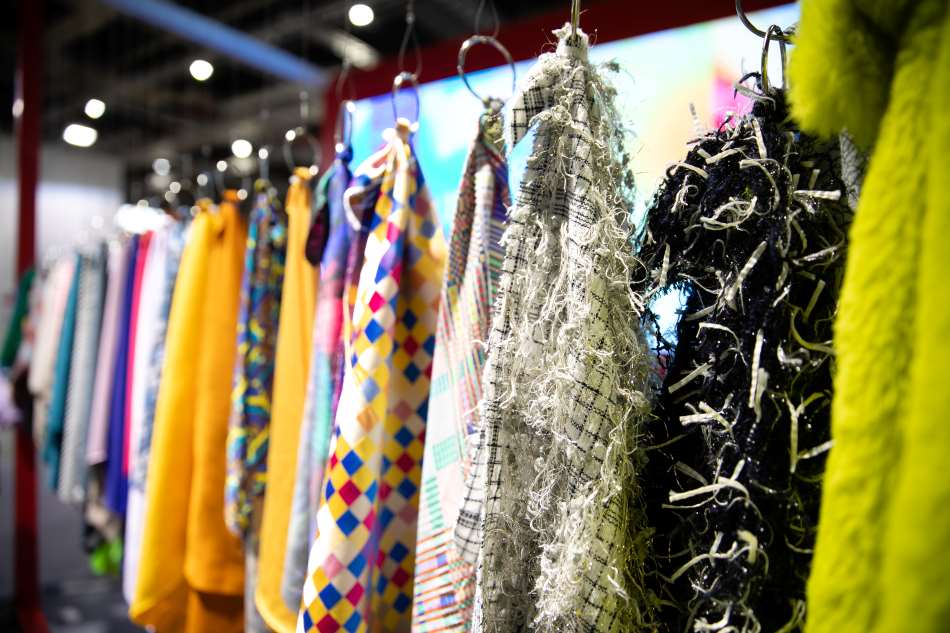
The 2023 Global Apparel Conference, themed ‘Together for a Shared Future’ took place from November 16 to 18 in Dongguan, Guangdong Province, hosted by the China National Textile and Apparel Council and the China National Garment Association. Attended by 18 professionals from 20 countries, the conference made a significant announcement and that is: the World Fashion Conference will permanently be in Humen Town, Dongguan City, underscoring its global importance in apparel production.
The event showcased runway presentations by emerging Chinese fashion brands, spotlighting local innovation. The theme, covered key topics: environmental protection technology, digital management for efficiency, addressing disruptive supply chains, exploring fashion trends, and recognizing the impact of cultural traditions.
This comprehensive approach to sustainability, efficiency, and cultural awareness is expected to shape the future of global textile and apparel sector. The insights shared at the conference will influence industry practices, fostering a more responsible and innovative fashion landscape in the years to come.
The key insights: A buoyant domestic market
The 2023 China Textile and Apparel Brand Development Report, unveiled by Yang Zhaohua, Vice President of the China Textile Industry Federation outlines, China's strategic vision. Despite a global export slowdown in the world's largest manufacturing base, the report underscores robust growth in domestic demand. Renowned Chinese brands like K-Boxing, Joeone, Ellassay, Bosideng, and JNBY are globally expanding through participation in international shows.
As reported by Woman's Wear Daily (WWD), brick-and-mortar garment sales in China surged by 10.6 per cent, complemented by a 9.6 per cent increase in online sales from January to September 2023. Impressively, over 70 per cent of China's total textile output caters to its domestic market, solidifying its position as the global leader in the textile industry, contributing over half of worldwide production, exports, and retail.
Projections indicate the Chinese apparel market is set to generate $313.8 billion in revenue in 2023, with an expected annual growth rate (CAGR) of 4.3 per cent from 2023 to 2027. Women's wear emerges as the largest segment, with a significant market volume of $169.5 billion in 2023. The report emphasizes China's dynamic shift towards a thriving domestic market, demonstrating resilience and the potential for sustained growth in the global textile and apparel industry.
Focus on sustainability, ESG compliance and technology
The report emphasizes sustainable development is the driving force propelling China's textile and apparel (T&A) sector into the future. Responding to the imperative for low-carbon, green, and circular development, the Chinese apparel industry has implemented initiatives like the Climate Innovation 2030 Action and Carbon Neutrality Vision, establishing a foundation for sustainable progress. Notably, the report underscores that Environmental, Social, and Governance (ESG) criteria will be paramount in evaluating corporate value, efficiency, and competitiveness.
Identifying intangible value-based trends as crucial, the report identifies athleisure, gender fluidity, inclusive sizing, access to nature, and sustainable fashion as key elements shaping success in the T&A sector. These trends reflect the symbiotic values shared between brands and their audience. Leveraging digitization, intelligent manufacturing, private domain marketing, and AI-generated content, the Chinese textile manufacturing industry demonstrates adaptability and flexibility in embracing smart production and living.
Leading groups like Hongxing Erke exemplify this adaptability by integrating artificial intelligence-generated content (AIGC) in product launches and community marketing. This strategic move reduces marketing costs, while virtual Chinese influencers contribute to sales surpassing $11 billion. Notable brands like Anta Sports and Semir leverage digital influencers in live operations, showcasing the sector's dynamic evolution.
Addressing concerns about the health of China's T&A sector, the report not only affirms its buoyancy and growth but also highlights proactive measures to ensure ongoing relevance and sustained revenue.
In a virtual meeting, key associations representing spinning mills in Southern India, including SIMA, TASMA, SISPA, ISMA, RTF, RSF, APTMA, and TSTMA, discussed strategies to address the severe financial crisis plaguing the region's textile industry. The Southern States, comprising Tamil Nadu, Andhra Pradesh, and Telangana, which contribute to 55% of the nation's spinning capacity, have been grappling with an 18-month recession exacerbated by global economic slowdown, domestic market sluggishness, and import-related challenges.
The industry has witnessed a sharp decline in cotton yarn exports, plummeting by 56% from April to September 2023 compared to the previous fiscal year. Contributing to the woes are increased power costs, up to Rs.2.50 per unit, making Southern States less competitive globally. Unlike other states like Maharashtra and Gujarat, which offer substantial incentives, the Southern textile industry faces volatility in cotton prices, surplus production capacity, and reduced exports.
The ongoing Ukraine-Russia conflict, Israel-Hamas war, and issues related to Man-Made Fiber Quality Control Order have further strained the financial health of spinning mills nationwide, particularly in the South. Adding to the predicament is an abnormal surge in imports, with a notable increase in cotton and viscose fiber, cotton and polyester yarn, polyester fabrics, garments, and made-ups from China, Bangladesh, Vietnam, and Sri Lanka.
In response, Dr. S. K. Sundararaman, Chairman of SIMA, issued a press release outlining urgent appeals. These include requests to the Chief Ministers of Tamil Nadu, Andhra Pradesh, and Telangana to roll back recent power tariff hikes for a year, and to the Prime Minister for a one-year moratorium on loan repayments, conversion of ECLGS loans, financial assistance for working capital, removal of the 11% cotton import duty, and addressing QCO-related issues.
The associations also urged all state governments to suspend incentives for spinning capacity expansion until oversupply issues are resolved. To emphasize their plight, they proposed a one-week production stoppage and advised a 35% reduction in production across the spinning sector. The crisis, if unaddressed, could lead to the closure of large-scale spinning mills in the region.
The global lingerie market, estimated at $92.871.6 million in 2024, is projected to grow to over $163,207.4 million by 2034, at a robust 5.80 per cent CAGR, says a Future Market Insights report. This growth is fueled by dynamic consumer preferences and an increasing demand for inclusive and body-positive designs.
The briefs segment is poised to dominate with a substantial 53.40 per cent share in 2024. Geographically, China is anticipated to lead with a commendable 7.10 per cent CAGR until 2034, followed by India at 6.40 per cent and Australia at 6 per cent. The global lingerie industry stands to gain significantly from strategic marketing campaigns resonating with diverse customer bases, emphasizing empowerment and self-expression.
Yhe industry's growth is propelled by the integration of sustainable practices and eco-friendly materials. Some brands are already adopting this trend, with examples such as Reformation incorporating organic cotton and recycled materials, and CUUP utilizing Oeko-Tex certified fabrics and compostable packaging. This eco-conscious approach not only aligns with consumer values but also contributes to the overall expansion of the global lingerie market.
In its debut sustainability report, Pakistan’s AGI Denim, has set an ambitious target: a 50 per cent absolute reduction in greenhouse gas (GHG) emissions across Scope 1, 2, and 3 by the close of this year. Looking towards 2050, AGI is resolutely committed to achieving net-zero GHG emissions company-wide.
To realize this vision, AGI Denim has taken various steps, initiating a groundbreaking carbon sequestration project in collaboration with WWF Pakistan. The company is embracing cleaner technologies, integrating renewable energy, implementing green infrastructure, and optimizing operational efficiency. A pivotal move was AGI's active participation in the Carbon Leadership Program, spearheaded by the Apparel Impact Institute, Reset Carbon, and other key partners, where the company absorbed innovative GHG reduction strategies. Notably, the program's scope expanded to include AGI's garment factory and laundry facilities in 2022.
As part of its comprehensive sustainability approach, AGI is also intensifying its use of sustainable and low-impact materials, with a bold target of reaching 90 per cent this year. A significant development in 2022 was AGI's collaboration with Oritain, a product verification company, to launch a traceability pilot, providing verifiable confirmation of the country of origin for randomly selected materials.
The sustainability narrative extends beyond environmental considerations, as AGI highlights its commitment to social responsibility. Initiatives such as sign language training for employees and collaboration with NOWPDP underscore AGI's dedication to ensuring equitable job access for disabled individuals. This comprehensive and forward-thinking strategy positions AGI Denim at the forefront of sustainable and socially responsible business practices.
By 2034, the stain-resistant fabric market is set to touch $72,853.80 million, with an impressive 18.5 per cent CAGR rising from its current $13,301 million valuation, as per Future Market Insights, Inc.
Major players in the stain-resistant fabric arena are strategically expanding their product portfolios and aggressively promoting their offerings on the global stage. Their roadmap includes active participation in international exhibitions and corporate events.
In 2018, Crypton LLC wowed the market with a slew of new stain-resistant fabric collections unveiled at the June Showtime fabric event. Fast forward to 2016, and Crypton Home Performance everydalylinen™ was introduced, a testament to its commitment to softness, durability, and stain resistance. Crypton's sought-after products are conveniently available at a variety of retail outlets, catalogs, and online platforms.
The government has extended the deadline for new applications under the PLI scheme for textiles to December 31, 2023. Approximately 64 selected applicants are expected to set up 84 units in 14 states and one union territory, including one in Odisha and 10 in Maharashtra.
The scheme specifically targets MMF apparel, fabrics, and technical textile segments. With the support of the PLI scheme for textiles and the National Technical Textiles Mission, the MMF and technical textiles sector are experiencing significant growth in India, contributing substantially to the country's total textile and apparel exports each year.
In a bid to address China's ongoing reliance in cotton imports due to insufficient domestic production, Winner Group, a prominent cotton products manufacturer, is planning to collaborate with Pakistan, a key cotton-producing nation. As per Zhang Yan, Interim CEO of Winner Medical, China currently is not self-sufficient in cotton production, necessitating import. Winner Group adopts platforms like China Cotton to navigate global supply chains and select optimal sources rather than directly procuring from farmers.
To strengthen its commitment to cotton research and development, Winner Group's subsidiary, Purcotton, has partnered with Huazhong Agricultural University's National Key Laboratory of Crop Genetic Improvement to establish a Cotton Research Institute. Over the past 14 years since Purcotton's inception, Winner Group has successfully procured 250,000 tons of cotton. This initiative has not only contributed to a remarkable 53 per cent growth in Xinjiang's cotton planting area but has also led to a substantial 95 per cent increase in production.
The unique business model of Winner Group, encompassing the dual brands 'Winner Medical' and 'Purcotton,' has positioned the company as a trailblazer in the global cotton industry. Notably, Winner Group stands out as one of the few large health enterprises that have achieved 'end-to-end connectivity of the cotton cultivation and production chain.'