FW
Vietnam to host denim event
Denims and jeans will be held in Vietnam, March1 to 2, 2023.
The event which will see the participation of many big denim manufacturers from more than ten countries will showcase the latest fashion trends and innovations in the global denim industry.
The event will be attractive to retailers, fashion brands and textile companies from around the world, especially from the EU and the US. It is aimed at offering a good opportunity for exhibitors to seek and establish partnerships and is expected to attract about 35 exhibitors and 1,200 visitors.
Vietnamese fashion brands will display their innovative denim products, including recycled denim. Six seminars will be held on the sidelines of the event, with discussions of international experts focusing on the future of denim supply, the denim supply chain for sustainable development, breakthroughs in the denim fabric industry with the help of innovative AI-based solutions, and the latest innovations in laundry chemistry.
Vietnam exports more than 65 million pieces of denim every year.Among textile and garment exporting countries in the world, Vietnam had the earliest opening-up policy for normal operation after the Covid pandemic. Therefore, in the first six months of the year, Vietnam's textile and garment industry had a large number of orders and good business results.
Uniqlo wants to make it big in the US
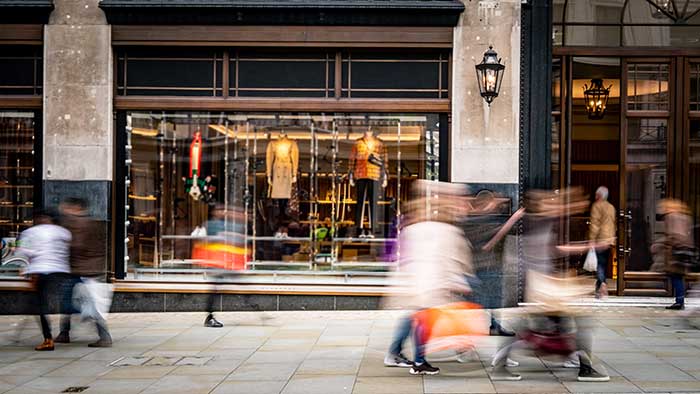
Uniqlo feels America is a tough market to crack. The brand’s share in the US retail clothing market is less than one per cent.
One reason is supposed to be differing tastes in clothing, which makes expansion especially tough. During the pandemic, many shoppers moved away from cities to seek more space to avoid infections, which impacted store locations and required the company to think more strategically about online sales.
Tastes also shifted toward comfortable clothing as people spent more time at home. The first Uniqlo store in the US opened in 2005 and the brand has to struggle since then. The clothing company now has 61 stores in the US. In China Uniqlo has some 900 stores. Europe has 112 Uniqlo outlets.
Known for its simple but fashionable take on everything from office wear to pajamas, Uniqlo has become a marketing and apparel phenomenon in its home market of Japan. It’s been able to replicate some of that success in other parts of Asia, as well as in Europe, but the North American market has been an elusive goal. But the target for the US is 200 stores in four years, with an operating margin of 20 per cent by 2027.
India: Tirupur knitwear exports pick up
Tirupur’s knitwear exports have started growing after a gap of several months.
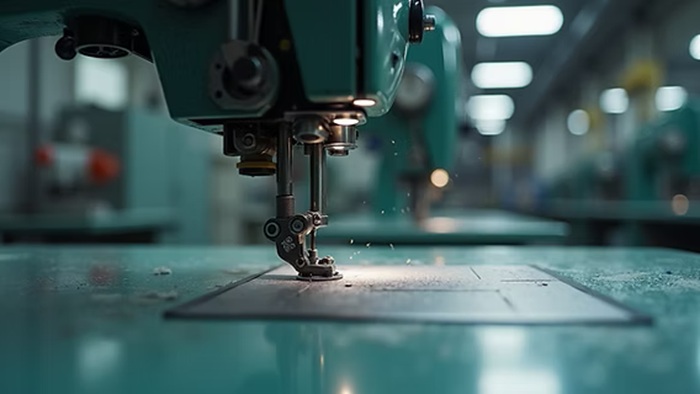
Global brands have started placing more orders from the region. Garment units in Tirupur had fallen silent during the pandemic due to high yarn prices, the aftershocks of demonetisation and the implementation of the goods and services tax (GST).
In January 2023, exports from Tirupur increased by 1.5 per cent. The rise in exports comes after a drop of 14.7 per cent in August 2022, 30.7 per cent in September 2022, 37.8 per cent in October 2022, 6.9 per cent in November 2022 and 12.9 per cent in December 2022.
This dip in exports was mainly due to demand from Europe and the US waning due to inflation, recession and the Ukraine war.Demand was also affected due to the volatility in cotton and yarn prices as well as competition from nations such as Vietnam, Bangladesh and Thailand which quoted lesser prices for their garments.
Tirupur received more orders, in part, to Turkish factories shutting down as well as reduction in the inventory levels of buyers. Some 63 per cent of the total knitwear exports from India go to the US and Europe, with 34 per cent going to the US and 29 per cent going to Europe, followed by nine per cent to the UK.
JC Penney launches women’s line with Gurung
JC Penney has partnered with Prabal Gurung on a women’s wear line.
It includes a 25-piece, size-inclusive collection of dresses and jumpsuits and is a celebration of diversity, inclusion and optimism. Apparel sizes range from XS to 3X and 2 to 24W.
While this appears to be a bold move to bring in a new customer base with the aid of a luxury designer, American department store JC Penney has made recent efforts to expand its apparel and accessory offerings. JCPenney has strengthened its omnichannel experience by meeting customers where they are with the brands they love and all the ways they want to shop.
In the past year alone, JCPenney has strategically introduced and relaunched 16 private and exclusive national brands―six of which are entirely new private brands―across all divisions. These cumulative efforts are helping to win back customers and gain market share.
JCPenney celebrated its 120th year of business in 2022 with the operation of 670 stores in the US. It plans to continue building on the momentum.
Gurung is an award-winning designer based in the US. He has championed inclusivity in the fashion world by featuring models of diverse backgrounds and partnering with a plus-size retailer. Gurung has highlighted Nepal in his collections, including incorporating the embroidery of Nepalese artisans, and his success is a source of pride in his home country.
India: Noida to host handicrafts fair
Indian Handicrafts and Gifts Fair (IHGF) will be held at Noida, March 15 to 19, 2023.
The edition will be structured with a larger display of over 3,000 exhibitors, themes as well as collective displays, several curated lines and design affirmations with a cross section of exhibitors ranging from medium and small exporters, artisan entrepreneurs and designers to India’s leading manufacturer-exporters.
A choice of over 2000 products and more than 300 trend specific design developments across 14 display segments defines this show. The business-to-business event is designed to showcase Indian-made goods spanning home, lifestyle, fashion, textiles, and furniture product categories.
This edition the trade show will have a special focus on sustainable materials, which are aimed at creating pleasing and functional items while minimizing the impact on the environment.The trade show is designed to celebrate India’s vibrant cultural heritage while linking manufacturing businesses with buyers, wholesalers, and retailers.
The trade show will provide networking opportunities to link businesses and is part of the wider aim at boosting Indian handicrafts exports and domestic business. Added attractions like theme pavilions, trend areas, craft demonstrations, ramp presentations, knowledge seminars, buyer lounges and refreshment zones would make attending the show a truly wholesome experience.
Slight rise in UK retail sales
Retail sales in the UK picked up slightly in January 2023.
Motorists filled up their cars more often with petrol and diesel in January, as the cost of fuel continued to fall, and automotive fuel sales volumes rose by 1.7 per cent.
Discounting helped boost sales for online retailers as well as jewellers, cosmetic stores, and carpet and furnishing shops. But despite the slight rise in retail sales in January, the trend appears to be heading downwards. Sales volumes fell by 0.6 per cent in the three months to January, when compared with the previous three months. When compared with the same November to January period a year earlier, retail sales volumes were 5.7 per cent lower.As a result, last month’s overall sales volumes remained 1.4 per cent below pre-pandemic levels recorded in February 2020. Sales volumes for December, which showed a surprise slide in purchases, were also revised lower from a fall of one per cent to a fall of 1.2 per cent.
Many consumers reined in their spending over the festive season. Stubbornly high food and drink prices prompted consumers to cut back on their grocery purchases, and food store sales volumes fell by 0.5 per centin January 2023 after a fall of 0.7 per cent in December 2022. Shoppers have continued to cut back on food purchases amid rampant increases in grocery prices and the squeeze on household budgets.
Pakistan January T&A exports fall three per cent
Pakistan’s textile exports in January 2023 fell by three per cent monthon month.
This was mainly due to an eight per cent drop in exports of readymade garments and knitwear. Textile exports remained weak in January mainly due to the demand and supply challenges being faced by the sector.
Global recession, which reduced the purchasing power in key export markets, also resulted in lower bookings of orders.Inventory piled up at large global retailers, while gas shortages and increased costs of working capital in the country also played a role in the decline.
As compared to January 2022, Pakistan’s textile exports dropped by 15 per cent year on year. A year on year decline in value-added bed-wear, knitwear and readymade garments was recorded at 20 percent, 13 per cent, and 11 per cent respectively. In volumetric terms, bed-wear and knitwear declined by 16 per cent and ten per cent respectively.
The continuous decline in textile exports is expected to continue in the coming months. Pakistan’s exporters feel the increase in gas and electricity tariffs will also make the country’s textile exports even more uncompetitive against those of regional countries. In the first seven months of fiscal year 2023, Pakistan’s textile exports fell by eight per cent.
Chinese demand for luxury set to grow
The luxury market in China is expected to jump by 30 percent in 2023.
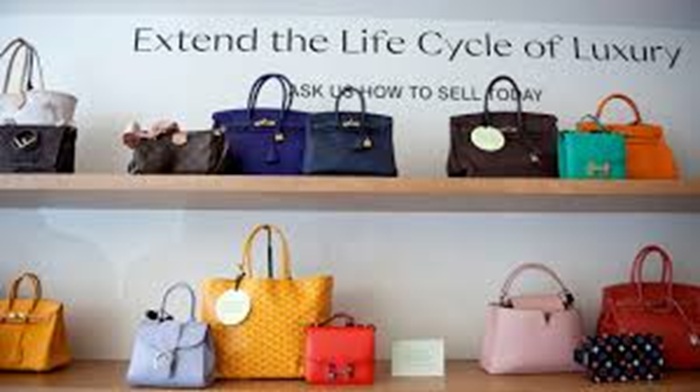
The luxury sector is looking to the reopening of China to deliver further expansion in 2023. Luxury groups are focusing on Chinese consumers at home.The gradual reopening of China -- which abandoned the last of the draconian travel restrictions of its zero-Covid policy on January 8 –is expected to help its economy expand by five percent in 2023.
With restrictions having restrained consumption, the reopening of the Chinese economy is being looked at as a growth opportunity for 2023. The pandemic restrictions pushed down the share of Chinese consumers in global luxury spending to 17 percent in 2022 compared with 33 percent before the pandemic.China needs growth and steps are likely to be taken to facilitate economic expansion as the country reopens. One aim is to boost domestic consumption.
So China is often described as a volcano ready to explode. There is expected to be a huge amount of savings that has been built up, an incredible reserve in the hands of the well-off class which wants to purchase luxury goods. However Chinese tourists are not expected to return to Europe, where they traditionally spend heavily on luxury goods, before next year.
India’s PLI scheme attracts investments of 0.22 bn
The Indian textile sector has attracted investments worth Rs1,800 crores (0.22 bn) in response to the production-linked incentive (PLI) scheme.
In the last two months alone, the sector received around Rs 275 crores of investments. On September 24, 2021, the PLI scheme was notified for a few textile products, namely manmade fabric and apparels and products of technical textiles.
The objective was to enhance the country’s manufacturing capabilities and improve exports with an approved financial outlay of Rs10,683 crores over a five-year period. To further boost the growth of the sector, the import duty on cotton was removed. Seven PM Mega Integrated Textile Region and Apparel (PM MITRA) Parks will be developed with world-class infrastructure, including the plug-and-play facility, with an outlay of Rs4,445 crores by 2027-28. In response, proposals from 13 states have been received. The uniform goods and services tax at 12 per cent on manmade fabrics, yarns and apparel came into effect from January 1, 2022.
The Indian textile and apparel industry is expected to grow at ten per cent compound annual growth rate from 2019-20 to 2025-26.India has a four per cent share of the global trade in textiles and apparel.The overall Indian textile market is expected to be worth more than $209 billion by 2029.
Pakistan textile exports down eight per cent
Pakistan’s textile exports declined by around eight percent during the first seven months of the current fiscal year as compared to the same period of the last fiscal year.
Textile exports fell by 14 percent in January 2023 on a year on year basis as compared to January 2022. On a month on month basis, textile exports fell by two percent compared to December 2022.
Cotton yarn exports fell by 34 percent in the seven month period. On a year on year basis, cotton yarn exports fell by 12 percent while on a month on month basis, they fell by 27 percent. Rice exports declined by 15 percent during the first seven months of the fiscal compared to the same period of the last fiscal year.The country’s overall exports fell by six percent.
Exports in January 2023 fell by two per cent compared to December 2022 and by 14 percent compared to January 2022. The country’s main commodities of exports during January 2023 were knitwear, readymade garments, bed wear, cotton cloth, rice and others, towels, cotton yarn, made-up articles (excluding towels and bedwear), rice basmati and surgical goods and medical instruments.