The global luxury industry is confronting an unprecedented situation. The active consumer base, which peaked at 400 million in 2022, has shrunk to roughly 340 million entering 2026, a 60-million-customer exodus concentrated in the aspirational middle class. Bain & Company’s latest data confirms that 2025 marked the second consecutive year of decline, returning the sector almost to 2013’s customer volume. While overall wealth has grown, engagement has faltered: the percentage of potential buyers actually making a purchase fell from 60 per cent in 2022 to just 40 per cent in 2025, highlighting the onset of a loyalty recession.
The breakdown of the value equation
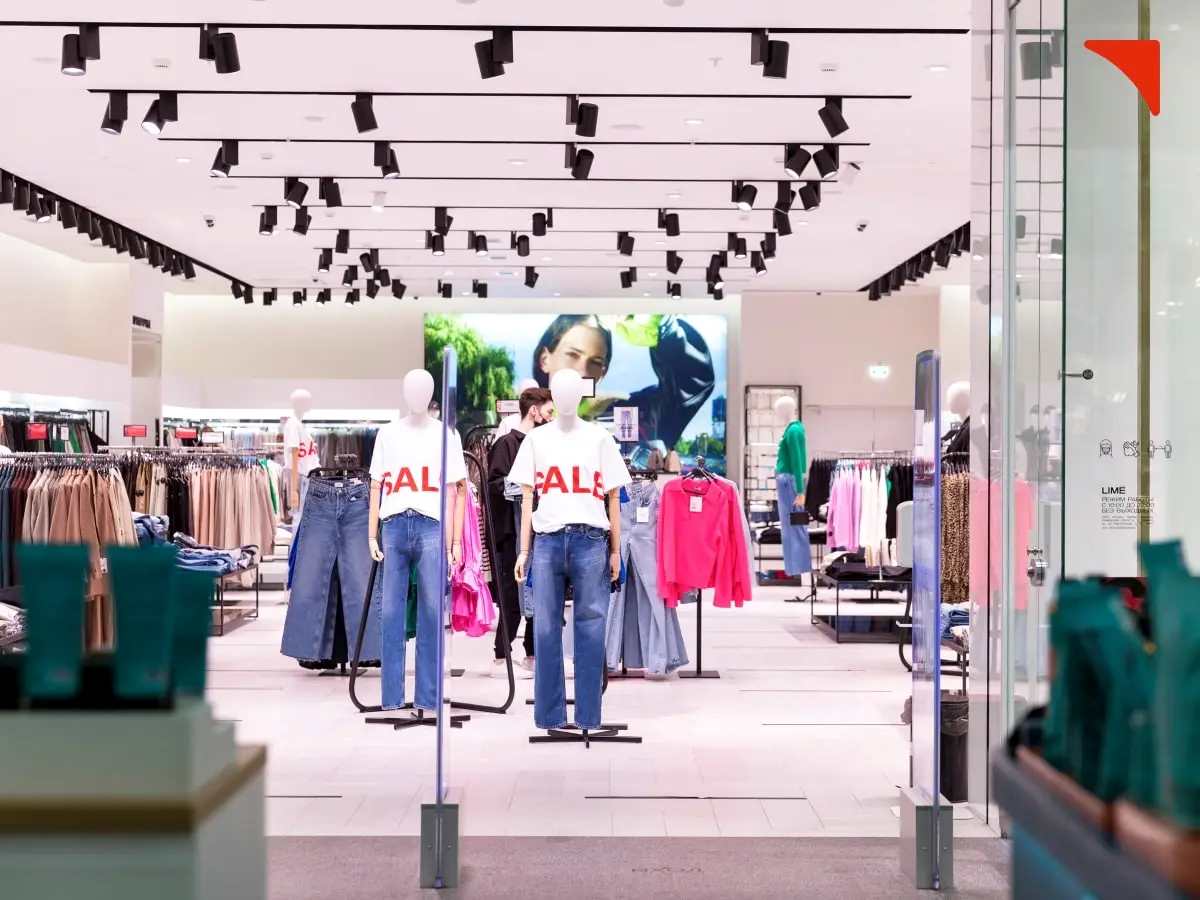
This downturn is not a liquidity problem but a miscalculation. Between 2019 and 2023, nearly 80 per cent of growth came from aggressive price hikes rather than genuine market expansion or product innovation. The consequence: mid-tier buyers, the engine of aspirational demand, have been effectively priced out. The so-called accessible luxury segment, items under $1,500 fell by approximately 3 per cent per year. Consumer sentiment mirrors the math: 70 per cent report dissatisfaction with in-store experiences, and 90 per cent can no longer differentiate one brand’s service from another. The table shows dynamics shaping this crisis.
|
Metric |
2022 peak |
2025-26 estimate |
Status |
|
Active Customer Base |
400 Million |
340 Million |
Declining |
|
Average Ticket Value (ATV) |
$1,200 |
$1,950 |
Peaking |
|
Transaction Volume |
Index 100 |
Index 78 |
Contraction |
|
EBIT Margins (Sector Avg) |
21% - 23% |
15% - 16% |
Structural Reset |
The figures tell a story of trade-offs gone awry. Average Ticket Values have risen 50-70 per cent on hero items like leather goods, yet the decline in transaction volume has begun to offset margin gains. EBIT margins, once peaking at 23 per cent in 2012, are now projected to fall to 15-16 per cent underscoring a negative margin-to-volume equilibrium. The cost of servicing the remaining elite customer base through high-touch events and private salons has escalated faster than price increases can sustain.
Elite dependence and the betrayal factor
With the aspirational tier evaporating, luxury brands are increasingly dependent on a tiny ultra-high-net-worth (UHNW) segment, individuals spending over $23,000 annually. This cohort now accounts for 46 per cent of global luxury spending. Yet even this group is showing signs of fatigue, citing declines in craftsmanship and a commoditized service experience. For example, Kering’s Gucci saw a 22 per cent revenue drop in 2025 as its new pricing architecture failed to resonate with top-tier clients. The margin for error is shrinking, and missteps are now costly.
China’s slowdown from status to substance
The deceleration in China has evolved from cyclical to systemic. Tier-I cities report a 3-5 per cent contraction in 2025 as the logo-heavy status symbol era fades. Younger consumers are prioritizing experiences fine dining, wellness, travel over traditional luxury goods. The secondhand market increased by 20 per cent as buyers sought asset preservation and authentic value. Overseas Chinese luxury spending also dipped, signalling a domestic-first loyalty shift.
Looking beyond price
Legacy brands are shifting and the 2026 strategy playbook centers on hyper-personalization and vertical integration rather than price escalation. Hermès exemplifies resilience, growing 17 per cent while peers floundered. Its scarcity by design model, tight supply chain control, and qualitative distribution avoided the discounting and brand dilution plaguing competitors.
Luxury houses are now embedding themselves into lifestyles. LVMH is expanding into luxury hospitality, and Tiffany & Co. has launched AI-powered customization to create irreplaceable brand experiences. Meanwhile, Chinese domestic brands like Songmont and Laopu Gold are capturing displaced aspirational consumers, offering credible craftsmanship and culturally resonant products in the $500-$1,200 range.
The global personal luxury goods market, valued at approximately $382 billion in 2025, remains dominated by LVMH, Richemont, and Kering. Fashion, leather goods, and hard luxury continue to drive revenue, with the US and China as primary engines. Yet growth is increasingly shifting to the Middle East. Following a post-pandemic super-cycle, brands are prioritizing supply chain transparency, digital engagement, and alignment with Gen Z values to navigate a high-interest-rate environment.
The luxury sector is no longer insulated by price alone. The 60-million-consumer exodus is forcing a relook: the era of counting on aspirational buyers to subsidize margin growth is over. Those that succeed will do so by reengineering experience, supply chain control, and brand relevance, rather than simply raising prices.