FW
Seoul Fashion Week to focus on sustainable fashion
Set to return from Sep 03-07 in Seoul, South Korea, the upcoming edition of Seoul Fashion Week will focus on the theme of sustainable fashion. The fashion week will feature a variety of programs focusing on sustainability, with participation from companies like Hyosung TNC, JejuSamdasoo, and the fashion brand Partsparts.
JejuSamdasoo will present its collaborative designs on the runway alongwith the designer brand July Column. The showcased items are crafted from recycled fibers made from empty PET bottles supplied by JejuSamdasoo and repurposed materials from July Column’s existing collections. This show is scheduled for Sep 4 at the Dongdaemun Design Plaza (DDP) in Jung District, central Seoul.
Fashion brand Partsparts will hold a special exhibition titled ‘Zero Waste, Fashion and Sustainability’ from Sep 03-07 at DDP JandiSarangbang in Jung District. The exhibition will highlight the brand’s zero-waste philosophy, featuring its innovative design patterns, self-developed material ‘New Neoprene,’ and seamless bonding techniques aimed at reducing fabric waste. Additionally, from Sep 06-07, the brand will offer a hands-on experience for the public and students, allowing participants to create eco-friendly bags using leftover fabric from its production process.
Seoul Fashion Week is a bi-annual event showcasing brands' Spring/Summer (S/S) and Fall/Winter (F/W) collections. Organised by the Seoul Metropolitan Government, the upcoming fashion week will feature the brands' S/S’2025 collections. Events will be held across multiple locations in Seoul, including the main venue DDP in Jung District, Seongsu-dong in Seongdong District, Cheongdam-dong in southern Seoul, and Hannam-dong in central Seoul.
T&A exports by the US decline 3.17% in H1, FY24
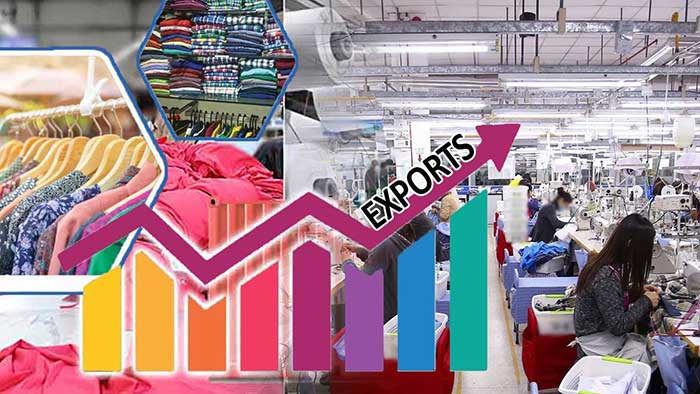
Textile and apparel (T&A) exports by the United States witnessed a 3.17 per cent declineto $11.5 billion during H1, FY2024. Beginning in the first quarter of the year, this decline persisted throughout the following months, reflecting a broader trend of decreasing exports that had already been notable in 2023. Meanwhile, imports by the country also contracted, largely due to ongoing inflationary pressures.
The primary destinations for T&A exports from the United States remained Mexico and Canada who imported textiles and clothing worth $6.1 billion and $4.2 billion from the country respectively during this period. Exports to the European Union dropped by 11.2 per cent over the six months to $1.2 billion. Exports to China remained constant at $361 million, outpacing the Dominican Republic, the UK, and Japan in market size.
Similarly, T&A imports by the United States also declined by 3.58 per cent to $49.3 billion in H1, FY24. Inflation was one of the primary reasons of this decline, causing concerns among both consumers and brands, despite signs of a slowdown since July. China remained the largest exporter of T&A to the US, with exports worth $11.1 billion in H1, 2024.
China was followed by Vietnam with exports worth $7.2 billion to the US. India exported T&A products worth $4.7 billion to the US while exports by Bangladesh dropped by 10.6 percent.With exports worth $2.8 billion to the US, the European Union experienced a 2.9 percent decline and was the fifth largest supplier, leading Indonesia, Mexico, Cambodia, and Pakistan.
Primark renews partnership with TCS for additional five years
Fashion retailer has renewed its partnership with Tata Consultancy Services (TCS) for an additional five years to transform its technology operations to support its ambitious global expansion plans.
An international fashion retailer with a presence in 17 countries across Europe and the US, Primark seeks to build a more resilient, reliable, and efficient IT operating environment. TCS will support Primark's transition to a more agile, product-based operating model through automation and the adoption of intelligent automation and Devops technologies.
This new approach will streamline application development, testing, and maintenance processes, ultimately reducing time-to-market for Primark's products and aligning with its growth strategies.
Andrew Brothers, Chief Information Officer, Primark, emphasises, this collaboration ensures that the retailer is able to respond swiftly to market trends and customer demands, thus continuing to offer high-quality products at competitive prices.
Shekar Krishnan, Vice President and Head of Retail UK and Europe , TCS, adds. the partnership supports Primark's mission to provide affordable fashion globally and helps them achieve their growth vision through innovation and technology.
Lanvin Group registers 20% Y-o-Y decline in H1, FY24 revenues
Luxury fashion house, Lanvin Group registered a 20 per cent Y-o-Y decline in revenue to €171 million in H1, FY24, The firm’s gross profit margin fell by 1 per cent to 57.5 per cent. Its adjusted EBITDA also decreased by €1 million due to proactive cost management, leading to a loss of €42.1 million.
Despite these setbacks, the gross profit margins of the group’s brands including Lanvin, St. John, and Caruso improved significantly asthey benefitted from a better full-price sell-through and strategic inventory management. The group faced difficulties in the global luxury market, particularly in the EMEA region and Greater China, as well as a weakened wholesale channel. However, the Lanvin brand experienced strong growth in the APAC region outside of Greater China.
Revenues of the brand Wolford declined by 28 per cent to €43 million due to significant shipping delays caused by integration issues with a new logistics provider, and the challenging wholesale market in Europe further impacted its performance. Its gross profit margin fell from 72 per cent to 63 per cent.
Brand Sergio Rossi’s revenue contracted by 38 per cent to €20 million, with a 49 per cent decline in EMEA and a 22 per cent drop in APAC, including a 34 per cent decline in Greater China. Despite these challenges, the brand’s gross profit margin remained relatively stable at 50 per cent.
St. John’s revenue decreased by 14 per cent to €40 million, with consistent declines across distribution channels.The brand’s largest market, North America registered a 10 per cent decline in revenues, while revenues from APAC declined by 46 per cent due to general market softness. However, the brand's gross profit margin increased significantly from 62 per cent to 69 per cent, driven by better full-price sell-through and an improved channel mix.
Currently, Lanvin Group is focusing on initiatives to increase retail and digital traffic and implement operational cost efficiencies to improve DTC profitability as it navigates through a challenging market environment in 2024.
Newless revolutionises sustainable fashion through bespoke upcycling service
Newly launched upcycling service, Newless is revolutionising sustainable fashion by offering a 'bespoke' experience to customers to transforms preloved garments into custom, fashion-forward pieces. Through this initiative, the brand makes upcycling more accessible and appealing to a wider audience, thereby helping reduce the environmental impact of the fashion industry.
Recogniaing that unworn clothes are often left forgotten in wardrobes, and consumers often find it challenging to shift from fast fashion to sustainable alternatives, Newless offers an easy and creative solution. The company revitalises old garments, providing designers an opportunity in the sustainable fashion market.
Founded by Anita Shannon, Newless employs emerging UK designers to reconstruct old, outdated and undesirable garments into pieces to be cherished by their owners. Through this initiative, Newless aims to demonstrate that upcycling cannot just be fun, accessible, and affordable, but can also offer a stylish, lower-impact alternative.
Newless has already hosted several successful pop-up events in collaboration with organisations and brands in London, showcasing the appeal and potential of upcycled fashion.
India’s textile sector to witness significant growth in H2, FY25: Report
The textile sector in India willwitness significant growth in H2, FY25, as per a report by Systematix Institutional Equities.
According to the report, this growth will be driven by an increased demand momentum and volume growth surpassing inventory levels. Some of the key factors contributing to this growth will include easing inflation, normalised channel inventories, improved supply chain dynamics, and the prospect of interest rate cuts.
The report also highlights global shifts in supply chain strategies, particularly due to the China +1 policy and the political instability in Bangladesh, as factors prompting global brands to reconsider their heavy reliance on Bangladesh. This has led to alternative sourcing options like India, Vietnam, Cambodia, and Sri Lanka gaining traction.
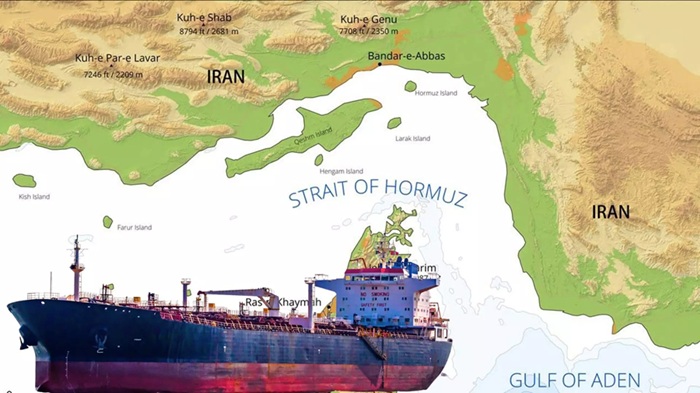
While the Indian textile industry has faced export challenges due to disruptions in the Red Sea region, the spinning sector is showing signs of recovery with a moderate increase in both domestic and export demand. Retail demand has remained strong, creating a robust environment in the second half of the fiscal year. Financial performance metrics for textile companies in Q1 FY25 revealed significant year-on-year growth in revenue, EBITDA, and PAT, driven by higher volumes and reduced raw material costs.
However, the industry continues to contend with rising domestic cotton prices that have increased to Rs 58,000-60,000 per candy. This price hike makes the Indian textile industry less competitive on the global stage, particularly due to the decline in international cotton prices. Despite this, garment sales volumes increased by 11 per cent Y-o-Y in Q1 FY25 as demand in global retail industry resurged leading to liquidation of the unsold inventory.
G-III Apparel targets $3.2 billion net sales in FY25
Driven by its aggressive digital and omnichannel expansion, robust wholesale and retail performance, and strategic partnerships, G-III has set its fiscal 2025 net sales guidance at $3.2 billion, reflecting a 3 per cent increase from the previous year.
The company is strengthening its presence in Europe besides reducing reliance on PVH brands and targeting high-growth markets like India and China.
G-III Apparel is also advancing its digital and omnichannel strategies by upgrading e-commerce platforms for DKNY and Karl Lagerfeld Paris, focusing on enhancing their digital presence, CRM capabilities, and loyalty programs. In Europe, the company is leveraging AWWG’s infrastructure and increasing its stake from 12 per cent to 19 per cent, with additional growth opportunities in India.
In North America, G-III is making significant investments in marketing to boost global brand awareness and sales, with plans to add over 2,500 points of sale this fall. The company’s first-quarter fiscal 2025 wholesale net sales increased to $598 million while retail sales rose to $31 million.
All brands of G-III Apparel demonstrated substantial growth in FY24, with DKNY achieving double-digit sales increases and Karl Lagerfeld expanding its distribution network. The successful relaunch of Donna Karan has further strengthened the company’s portfolio. As a result,
Despite these achievements, G-III faces challenges from shifting consumer spending patterns due to inflationary pressures, which may impact short-term performance. In FY25, the company projects adjusted net income will decline to $10 - $15 million from the previous year.
BrunelloCucinelli to double turnover by 2030
BrunelloCucinelli, Executive Chairman, and Creative Director, of his bespoke Italian luxury label projects, the brand’sales will grow by 10 percent in both 2024 and 2025with its turnover doubling by 2030.
For the six months ending June 30, the brand’s net profit grew by 31.1 percent growth to €66.1 million.Its revenues increased by 14.1 per cent to €620.7 million from €544 millionin the same period of 2023. Operating profit rose by 19.3 percent to €104.6 million, while earnings before interest, taxes, depreciation, and amortization (EBITDA) grew by 14.8 percent to €177.8 million.
The brand’s revenues in the Americas expanded by 19.4 per cent to €225.6 million during H1, FY24. Driven by local consumers and tourists from the US and Asia, revenues from Europe increased by 7.8 percent to €153 million. Sales from Italy rose by 11.8 percent to €68.1 million. In Asia, revenues climbed 14.3 percent to €174 million.The brand’s global retail sales increased by 14.7 percent to €395.2 million during the period.
As of June 30, BrunelloCucinelliSpAoperated 126 stores including a new location in Miami’s Design District. It plans to open new stores in Toronto and Wuhan, China in the second half of the year.
What Fuels Fashion: The hidden costs of the clothing industry

In an era where sustainability and ethical practices are gaining traction across various sectors, the fashion industry continues to be a significant concern. The recent report by Fashion Revolution, titled ‘What Fuels Fashion’, highlights the environmental and social impacts of the fashion industry, revealing the hidden costs behind the clothing we wear. The report highlights startling data, case studies, and expert insights, urging both consumers and industry leaders to rethink their choices and practices.
The environmental impact, a closer look
Fashion Revolution’s report highlights the staggering environmental footprint of the fashion industry. The findings reveal the sector accounts for 10 per cent of global carbon emissions, a figure comparable to the emissions produced by the entire European Union. Additionally, it is the second-largest consumer of the world’s water supply, with textile production requiring approximately 93 billion cubic meters of water annually.
"Fashion's impact on the environment is enormous," says Jane Smith, an environmental scientist specializing in textile sustainability. "The production of synthetic fibers, such as polyester, involves high energy consumption and significant greenhouse gas emissions. Moreover, the massive water usage for cotton cultivation exacerbates water scarcity issues in many regions."
One striking case study presented in the report is the rapid rise of fast fashion brands and their role in exacerbating environmental damage. Fast fashion giants like H&M and Zara have revolutionized the industry with their quick turnaround times and low-cost clothing. However, this convenience comes at a price. The report notes that the average lifespan of a garment has decreased from 3 years to just 1.5 years over the past decade.
In 2023, a report by the Ellen MacArthur Foundation estimated that each person in the UK buys an average of 26 kilograms of clothing per year, leading to a staggering 92 million tons of textile waste globally. This waste often ends up in landfills, where synthetic fibers can take up to 200 years to decompose.
The social cost, unveiling exploitative practices
The social dimensions of the fashion industry are equally troubling. Fashion Revolution’s report underscores the plight of garment workers, particularly in developing countries. The industry’s demand for ever-cheaper production has led to exploitative labor practices, including low wages, poor working conditions, and lack of basic rights.
One notable example is the Rana Plaza disaster in Bangladesh, which killed over 1,100 workers in 2013. Despite international outcry and promises of reform, the report reveals that many garment workers still face unsafe conditions and inadequate pay.
"Behind every garment is a story of human labor, often exploited and undervalued," says Professor Alan Thomas, an expert in labor rights and ethics. "The fashion industry must address these issues by ensuring fair wages and safe working environments for all workers."
The push for change
Amidst these challenges, there is a growing movement towards sustainable and ethical fashion. Brands like Patagonia and Stella McCartney are leading the charge by incorporating recycled materials, promoting fair trade practices, and reducing their carbon footprint.
Patagonia, for instance, has committed to using 100 per cemt recycled polyester in its clothing line and operates a repair and resale program to extend the life of its products. Stella McCartney, known for her commitment to cruelty-free fashion, utilizes sustainable materials such as organic cotton and recycled nylon. "Consumers have the power to drive change by supporting brands that prioritize sustainability and ethics," says Emma Watson, an advocate for sustainable fashion. "By making informed choices, we can contribute to a more responsible and equitable fashion industry."
A call to action
Fashion Revolution’s report, "What Fuels Fashion," serves as a stark reminder of the hidden costs associated with the clothing industry. As the data and case studies illustrate, the environmental and social impacts are profound and far-reaching. However, the growing movement towards sustainable and ethical fashion offers hope for a more responsible future.
For consumers, the message is clear: choose wisely, support ethical brands, and be mindful of the environmental footprint of your fashion choices. For industry leaders, the call to action is equally urgent: adopt sustainable practices, ensure fair labor conditions, and work towards reducing the industry's overall impact.
Fashion's New Frontier: South Korean brands redefining retail
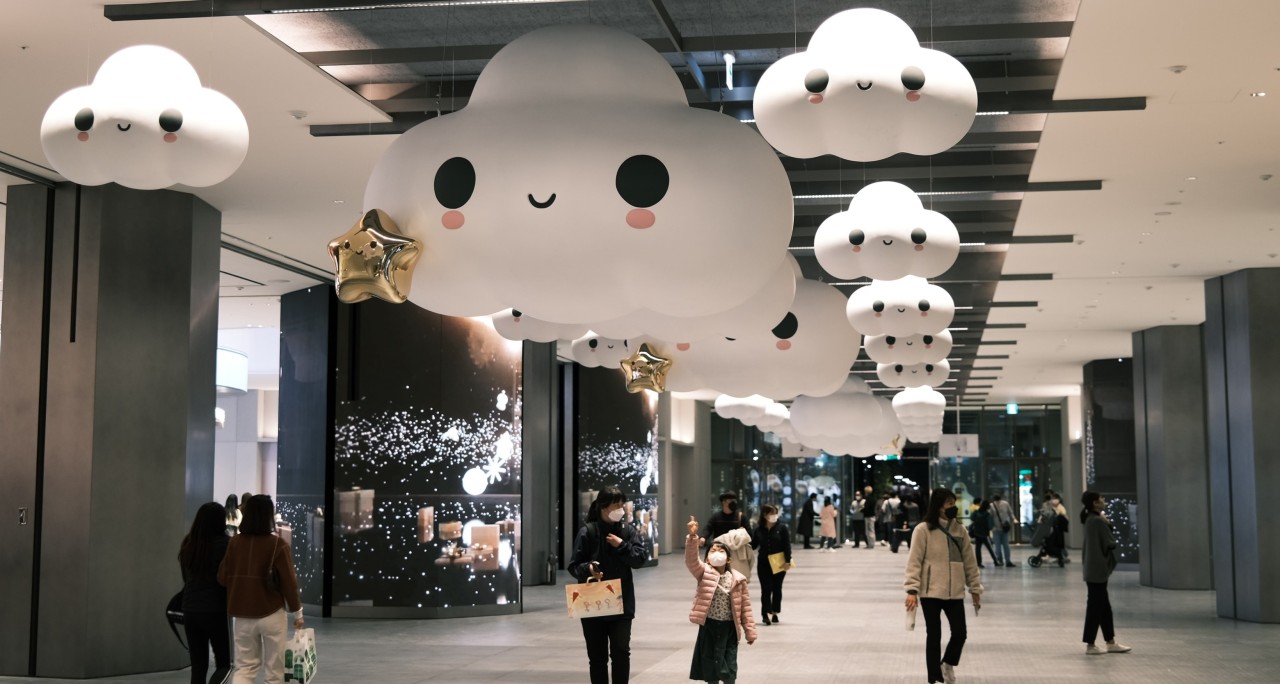
As the global fashion landscape continues to evolve, South Korean brands are emerging as pioneers in creating immersive retail experiences. Unlike traditional approaches that prioritize product over experience, these brands are leveraging technology, art, and storytelling to engage consumers on a deeper level.
A prime example is Gentle Monster, a brand that has rapidly grown into global prominence. Unlike traditional eyewear retailers, Gentle Monster has transformed its stores into mesmerizing art installations. Customers are no longer simply buying glasses; they’re embarking on a sensory journey. This emphasis on experience over product has propelled the brand to a staggering $440 million in revenue in 2024. “Retail is driven by humans’ curiosity,” asserts Hankook Kim, CEO of Gentle Monster. This philosophy is evident in the brand’s every move, from its avant-garde designs to its otherworldly stores.
A multi-sensory approach
The trend extends beyond eyewear. South Korean fashion brands like Ader Error and 3.1 Phillip Lim are also known for their innovative retail concepts, often incorporating elements of art, music, and technology. These brands understand that the shopping experience is more than just buying clothes; it's an opportunity to connect with a brand's values and identity. The success of K-brands highlights the growing importance of immersive experiences in retail.
Learning from K-fashion
Te lessons from South Korean fashion brands are clear:
• Prioritize experience over product: Create environments that engage customers on multiple levels, from sight and sound to taste and touch.
• Embrace digital and physical integration: Blend online and offline channels to create seamless and immersive customer journeys.
• Collaborate with other industries: Partner with artists, musicians, or food brands to create unique and unexpected experiences.
• Understand your audience: Deepen your understanding of consumer desires and preferences to tailor experiences accordingly.
As consumers become increasingly discerning, brands must go beyond simply selling products and create meaningful connections. By engaging all five senses, K-brands are able to capture the hearts and minds of their customers, fostering loyalty and driving sales. As the global fashion industry continues to evolve, it's clear that South Korean brands are setting the pace. Their innovative approach to retail is a testament to the power of immersion and the limitless possibilities of the fashion world.