FW
Messe Frankfurt eyes textile and consumer goods industries with new trade fair in Vietnam
Messe Frankfurt, the global trade fair organiser, has signed a memorandum of understanding (MoU) with the Vietnam Trade Promotion Agency (VIETRADE) to explore the potential for a comprehensive new trade fair in Vietnam.
The two organisations will focus initially on the textile and consumer goods industries in the country. This move marks Messe Frankfurt’s latest step in expanding its involvement in South East Asia.
The new venture aims to build on Messe Frankfurt’s 16 years of experience operating in Vietnam and create new opportunities for trade in textiles and consumer goods.
Further details about the potential new trade fair would reveal at a later date.
China's apparel exports to UAE decline in 2022 despite post-COVID recovery
China's apparel exports to the United Arab Emirates (UAE) experienced a decline in 2022, totaling $2.627 billion, compared to $2.810 billion in the previous year.
The COVID-19 pandemic had a significant impact on outbound trade in 2020, but China's exports bounced back in 2021. Despite this recovery, exports decreased again in 2022. Nevertheless, China remains a significant supplier of apparel to the UAE.
During 2017, exports to the UAE peaked at $3.251 billion before declining to $2.462 billion in 2018 and $2.445 billion in 2019. The pandemic resulted in a significant reduction in trade to $1.639 billion in 2020. However, China managed to revive its apparel trade with the UAE in 2021, with exports reaching pre-COVID levels of $2.810 billion. Unfortunately, trade eased down again in 2022 to $2.627 billion.
The impact of COVID-19 on China's quarterly apparel exports to the UAE was profound, with exports in Q2 2020 falling to just $321.948 million. However, as COVID-19 infections subsided, exports increased to $825.977 million in Q2 2021. Despite this resurgence, quarterly exports dropped to $755.704 million in Q2 2022, $755.049 million in Q3 2022, and $562.340 million in Q4 2022.
Trousers and shorts were the most dominant products in China's apparel exports, accounting for 20.92% of the total exports. Among the top five products, jackets and blazers accounted for 11.79%, jerseys for 9.81%, dresses for 8.57%, and accessories for 7.20% of the total apparel exports.
India to export $350 Bn worth of goods through e-commerce by 2030: GTRI
India should aim to export USD 350 billion worth of goods through e-commerce by 2030, according to a report by economic think tank GTRI.
Despite India's strengths in high-demand customized products, expanding seller base, and higher profit margins per unit of export, its current e-commerce export numbers remain far below their potential. Currently, e-commerce exports account for only USD 2 billion, less than 0.5 per cent of the country's total goods export basket.
To fully realize the potential of e-commerce exports, the report suggests developing the ecosystem for e-commerce exports and issuing a separate e-commerce export policy. The GTRI recommendations raising the value cap for e-commerce exports from Rs 5 lakh to Rs 25 lakh to allow exporters to choose the shipment mode as per their business requirements.
The report recommends that the government formulate a separate policy for e-commerce exports to address the pain points of the sector. Exporting through e-commerce channels can result in higher profits per unit of export, as businesses can cut out intermediaries like indenting agents, bulk buyers, and shopkeepers. The internet, technology, and secure online payments have made exporting via e-commerce simple and safe, enabling small firms from a wide range of cities and regions to participate in international trade. Over 100,000 Indian sellers are already exporting through e-commerce, and this number is set to multiply.
Brands embrace omnichannel strategies to improve customer experience, boost profitability
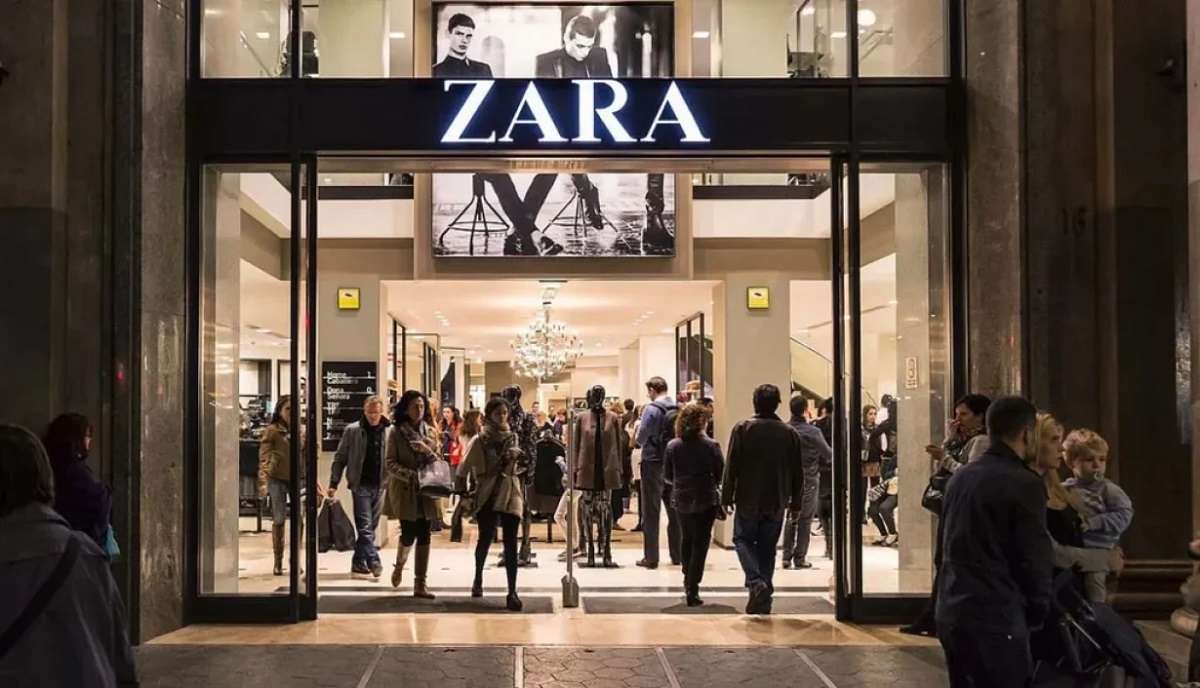
Fashion brands such as Zara, Nike and others are adopting omnichannel retail strategies to improve the customer experience and stay competitive in the industry.
According to IDC, omnichannel retailers experience a 15-35% increase in average transaction size, a 5-10% increase in profitability, and a 30% higher lifetime value than single-channel retailers.
Zara's strategy includes a "click and collect" service, RFID tags, and automated inventory management systems to provide real-time inventory visibility and reduce delivery times and costs. They have also expanded their distribution network and offer multiple return options.
Nike's strategy involves investing in technology, influencer marketing, and personalized customer experiences. They provide real-time inventory visibility across their stores, website, and mobile app, and offer free in-store pickup. Nike has also opened concept stores with immersive experiences to build brand loyalty.
Adopting an omnichannel strategy is crucial for retailers to meet the evolving demands of consumers and increase profitability. By investing in technology, inventory management, logistics, and marketing, retailers can create a seamless brand experience that enhances customer satisfaction and drives business growth.
India: TN's textile industry set to benefit from govt's policy initiatives and budget allocations
Tamil Nadu's textile industry, which accounts for one-third of India's textile business size, has been playing a crucial role in the country's economy as the second-largest employment provider after agriculture.
The Southern India Mills' Association (SIMA) Chairman, Ravi Sam, has praised the government's recent initiatives to enhance the competitiveness of the powerloom sector in Tamil Nadu, which will benefit 1.64 lakh powerloom weavers and increase the scale of operations and value addition.
The State Budget 2023-24 has announced the establishment of new SIPCOT industrial parks in Virudhunagar, Vellore, Kallakurichi, and Coimbatore, along with the allocation of a PM MITRA mega textile park scheme by the Union Government to Tamil Nadu. The infrastructure support provided by the government of Tamil Nadu through this budget is expected to provide infrastructure facilities for textile processing, the weakest link in the textile value chain. Furthermore, the announcement of 10 mini handloom parks and new industrial parks in the clusters of Virudhunagar, Vellore, Kallakurichi, and Coimbatore will provide employment opportunities to nearly 22,000 persons.
Ravi Sam appreciated the government's announcement of releasing a new Textile Policy with a focus on holistic development of the entire value chain, latest design development, and textile machinery manufacturing. The SIMA Chairman hoped that the budget announcements would work as a growth engine for the economy of the State.
Bangladesh apparel exporters lobby for extended duty benefits
Bangladeshi apparel exporters are lobbying major trading partners and blocs to support its efforts to extend the duty benefits the country currently enjoys for at least six more years.
The move comes as Bangladesh prepares to graduate from the group of least-developed countries to a developing country in 2026, which will likely result in the loss of its duty-free market access.
The Bangladesh Garment Manufacturers and Exporters Association (BGMEA) has called for a six-year transition period to help apparel exporters remain competitive in global markets. While the EU and the UK have already announced a three-year transition period, the BGMEA believes that a longer period is necessary due to the fallout from the Covid-19 pandemic and the war between Russia and Ukraine.
The BGMEA will meet with officials from the EU, Germany and other major trading partners to gain support for the extended transition period. The BGMEA also intends to request duty-free market access for apparel items made with US cotton and shipped to the US markets, as well as to work with the US government to address the shipment of counterfeit products from Bangladesh.
Tennis apparel market in Americas set to grow by $82 Million by 2027, driven by health consciousness, offline sales
The tennis apparel market in Americas is set to grow by USD 82.08 million between 2022 and 2027, with a compound annual growth rate (CAGR) of 3.7% during the forecast period, according to a new report by Technovia.
The growth of the market is attributed to the increasing awareness about the health benefits of sports and the growing adoption of a healthy lifestyle among the urban population. This trend is driving people to involve themselves in sports activities, such as tennis, to stay fit and healthy.
It is observed that the offline distribution channel segment will be the most significant growth driver during the forecast period. This segment includes revenue generated from physical retail stores such as dealer stores, departmental stores, hypermarkets, and supermarkets. The increase in the number of such stores is expected to drive the growth of the segment.
However, poor infrastructure for tennis is identified as one of the major challenges affecting market growth. The lack of support for the sport in some regions reduces the growth potential for vendors. For instance, the expenditure on development programs for the sports industry, especially tennis, is lower in South American countries when compared to other regions.
Surging garment imports from Bangladesh, a cause of concern for India
Bangladesh’s garment exports to India surges significantly to over 61 % to $753 million during the first eight months of the current fiscal year of Bangladesh. The surge in imports to India has been attributed to the high-quality and affordable clothing produced in Bangladesh, which is in high demand in India.
In the past, India has expressed concerns over the surging imports of garments from Bangladesh. The Indian government has voiced its concern over the growing trend of imports from Bangladesh, which has put the domestic garment manufacturing industry at risk.
The Indian garment industry is one of the country's largest employers, and the rise in imports has led to a decline in domestic production, leading to job losses and decreased revenues.
The Indian government has urged the industry to improve its competitiveness and quality to better compete with the imports from Bangladesh. At the same time, efforts are underway to strengthen the domestic industry, such as providing incentives to textile manufacturers and streamlining regulations to reduce the cost of doing business.
Despite these measures, it is likely that we will see further growth in imports from Bangladesh to India in the future, as both countries continue to work together to enhance trade ties.
The rising imports from Bangladesh are a challenge for the Indian garment industry, but with the right policies and strategies, it can remain competitive and thrive in the face of this new competition.
Kering pledges 40% reduction in greenhouse gas emissions by 2035
Kering, the owner of luxury brands like Gucci and Yves Saint Laurent, has announced plans to cut its absolute greenhouse gas emissions by 40% by 2035 compared to 2021 levels.
This move comes as consumers are increasingly demanding that companies take more responsibility for their environmental impact. "I am convinced that impact reduction in absolute terms combined with value creation must be the next horizon for truly sustainable companies," said Chairman and CEO Francois-Henri Pinault in a statement.
Kering also owns the Balenciaga, Bottega Veneta, and Alexander McQueen brands and has positioned itself as an industry leader on environmental issues, regularly publishing an environmental profit and loss account. In 2019, Pinault brought together several international labels to sign the Fashion Pact, which included commitments to reduce emissions and plastic use.
The announcement of this target was made during an event held in New York, and Kering plans to release its 2020-2023 sustainability progress report soon.
Key trends and drivers in the Baby Apparel market
A comprehensive report on the Baby Apparel market has been released by Global Insight Services.
Baby apparel refers to clothing specifically designed for infants and toddlers, including onesies, sleepers, and outfits for special occasions. These clothes are often designed to be comfortable, practical, and easy to care for, while also being stylish and fashionable, with a wide range of colors, patterns, and designs available.
Several key trends in baby apparel technology have emerged. One trend is toward more comfortable and functional baby clothes, with features such as breathable fabrics and easier-to-use fastenings. Another trend is toward more stylish and trendy baby clothes that reflect current fashion trends. Finally, there is a growing trend toward more environmentally friendly baby clothes, with brands using organic materials and less harmful production processes.
Several key drivers of the baby apparel market have been identified. These include the birth rate, as the number of babies born directly impacts the demand for baby clothes. The average age of first-time mothers is also a significant driver, as older mothers tend to spend more on higher-quality clothes for their babies. Socioeconomic status also plays a role, with wealthier parents more able to afford higher-priced clothes. Finally, cultural factors, such as the increasing acceptance of non-traditional gender roles, are also contributing to changes in the baby apparel market, as more parents seek out clothes that are not specifically for either boys or girls.