FW
China Wave redefines creative authorship at Pitti Uomo 110
The international fashion landscape is witnessing a structural transformation as the ‘China Wave’ platform enters its fifth iteration at the 110th edition of Pitti Uomo in Florence. Taking place from June 16–19, 2026, at the historic Fortezza da Basso, the showcase marks a decisive departure from traditional manufacturing-centric export models. By securing a premium location at the core of the exhibition - directly adjacent to the event’s central ‘The Pool’ installation - the platform is signaling that Chinese design culture has reached a state of maturity that demands a seat alongside global luxury and heritage houses.
From manufacturing base to creative epicenter
The transition is underscored by a strategic shift in brand narrative. Rather than prioritizing volume-led production, participating designers are emphasizing individual creative language and cultural identity. This evolution is perhaps best exemplified by the diverse portfolio on display: from the multi-brand expansion of industry stalwart Septwolves which continues to leverage its integration of the Karl Lagerfield brand, to the avant-garde aesthetic of Zifei Wang. The latter, having gained significant international momentum, is slated to join the official Milan Fashion Week calendar in September 2026. This trajectory highlights an industry-wide move toward ‘creative authorship,’ where the export of design philosophy and brand heritage increasingly outpaces the export of raw apparel goods.
Navigating global cultural realignment
In an environment marked by shifting consumer demographics and geopolitical uncertainty, the China Wave initiative is evolving into a vital cultural interface. By curating a selection of brands like Swof, Care, Soarin and Kimusso - each blending artisanal heritage with modern, deconstructive silhouettes - the platform provides international buyers and department stores with a nuanced view of contemporary Chinese design. This movement suggests that Chinese fashion houses are no longer merely responding to global trends but are actively contributing to a new, internationally relevant aesthetic system that balances cultural depth with futuristic clarity, effectively challenging long-standing Western-centric narratives in the premium menswear sector.
Fujian Septwolves Industry
Fujian Septwolves Industry is a leading Chinese menswear company founded in 1990. It specializes in urban business-casual apparel and diversified multi-brand management, including the operation of Karl Lagerfeld in Greater China. The firm focuses on digital retail integration and premium brand elevation to capture affluent, fashion-forward consumer cohorts.
Textile sector navigates precarious recovery amid geopolitical headwinds
The global textile and apparel industry is signaling a tentative shift toward stabilization, though industry leaders remain wary of the underlying volatility. Data from the 38th ITMF Global Textile Industry Survey indicates, while business sentiment and order backlogs have rebounded from their March lows, the recovery is characterized by a ‘fragile cushion’ rather than structural growth. Global capacity utilization has increased up to 74 per cent, and the business situation balance has improved to −17 percentage points, yet these metrics languish well below historical performance averages.
Input costs squeeze manufacturing margins
Manufacturers are currently caught in a complex cost-price tug-of-war. With crude oil prices hovering around the US$ 100 mark due to the ongoing conflict in Iran, producers are facing a 50 per cent rise in gasoline and energy costs compared to early spring. Because synthetic fibers such as polyester and nylon are derivative products of petrochemical feedstocks, this inflationary pressure is forcing mills to navigate narrow profit windows. Industry analysts note, firms are currently hesitant to pass these additional costs to consumers, fearing that price hikes will further suppress already delicate demand levels.
Geographic disparities in industrial output
Market recovery remains starkly fragmented across regional hubs. Africa has emerged as a surprising leader in order intake and business expectations, whereas traditional manufacturing powerhouses in East Asia continue to struggle with both domestic conditions and export-driven uncertainty. While segments closer to the retail end of the value chain have shown resilience, the upstream textile machinery and raw material sectors remain mired in stagnation. Whether these green shoots of recovery survive the remainder of the year depends heavily on stabilizing energy markets and the mitigation of broader geopolitical risks currently disrupting global supply chains.
Fostering industry resilience
The International Textile Manufacturers Federation (ITMF) serves as a premier global forum for the textile value chain, representing manufacturers across spinning, weaving, and finishing sectors. Headquartered in Switzerland, the organization provides critical data insights and policy advocacy to support its worldwide membership. ITMF’s ongoing work focuses on fostering industry resilience, promoting sustainable manufacturing practices, and navigating the complexities of international trade. While the federation maintains a positive outlook through advocacy and networking, its current financial climate is heavily influenced by energy-driven inflationary cycles and shifting global trade routes.
Global textile regulation tightens, forcing realignment across fashion supply chains
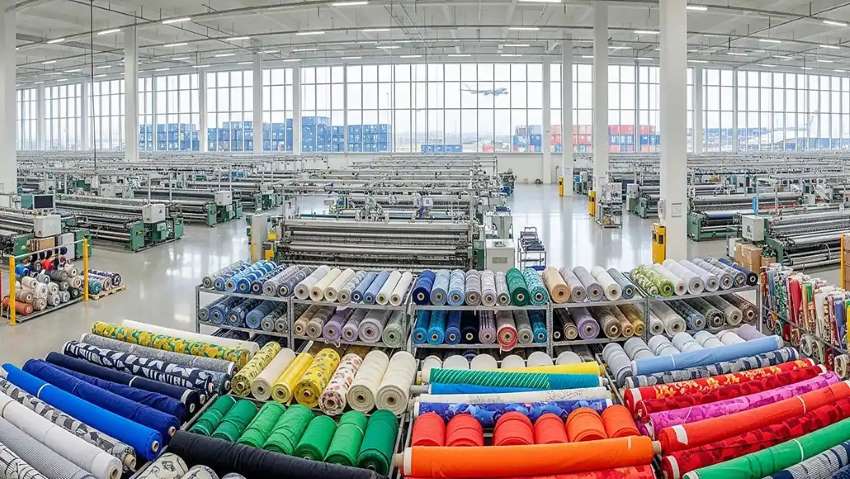
Global fashion and consumer goods supply chains are entering a decisive regulatory transition as Extended Producer Responsibility (EPR) frameworks for textiles move from policy design to enforceable market. According to the ‘Mapping of Global Extended Producer Responsibility (EPR) for Textiles’ report by the Global Fashion Agenda, governments across Europe, the Americas, and Asia are rapidly converting voluntary sustainability commitments into binding statutory obligations. The shift is deciding how apparel companies account for end-of-life garment costs, moving textile waste from a municipal burden to a producer-level financial liability embedded directly into operating margins.
As regulatory frameworks mature, end-of-life management is no longer treated as an external environmental issue but as a core cost variable, one that directly influences pricing strategy, procurement models, and product design decisions. At the centre of this is the growing role of Global Fashion Agenda, which has tracked how jurisdictions are synchronising enforcement timelines while diverging in implementation mechanics.
Compliance a balance sheet variable, not a CSR exercise
Commercial and municipal data trends indicate that post-consumer textile volumes are rising steadily, placing mounting pressure on waste collection systems. Under emerging EPR regimes, this pressure is being structurally redirected back to producers through mandatory fees, recycling obligations, and traceability requirements. Rather than relying on voluntary corporate sustainability programs, regulators are now implementing enforceable cost-transfer mechanisms. These frameworks are designed to shift financial responsibility for collection, sorting, and recycling from municipal authorities to brand owners.
This shift effectively converts environmental exposure into a predictable production cost. For retailers, this means environmental compliance is no longer discretionary or reputational it is becoming embedded in unit economics. Analysts say companies failing to internalize these liabilities into product pricing models risk sustained margin compression, particularly as environmental levies expand across key consumer markets.
Fragmented regional rulebooks redefine supply chain
The global regulatory environment is not integrating into a single model. Instead, it is fragmenting into regional enforcement systems that differ significantly in scope and operational requirements. Europe is increasing mandatory infrastructure investments in automated textile sorting and digital traceability systems. The Americas are prioritizing collection efficiency metrics and minimum recycled content thresholds, placing pressure on upstream sourcing decisions. In Asia, policy frameworks are aligning industrial production quotas with recycling and waste-processing integration targets.
This difference is creating a multi-layer compliance environment that complicates inventory planning and cross-border distribution. Apparel brands operating global supply chains must now reconcile multiple regulatory definitions of compliance for the same product category. The result is a growing requirement for digital product identification systems enabling item-level tracking across production, retail, and post-consumer stages. Without such systems, firms face escalating audit risk and potential penalties tied to inaccurate reporting of material composition and recovery rates.
From linear production to circular cost engineering
The operational implications of EPR enforcement are forcing a redesign of core supply chain logic. Traditional linear models based on production, consumption, and disposal are being replaced by circular system that integrate recovery and recycling at the design stage.
|
Operational pillar |
Legacy model |
EPR-compliant model |
|
Product Engineering |
Virgin material blending for cost efficiency |
Monomaterial design enabling easier recycling |
|
Supply Chain Structure |
Linear flow from production to landfill |
Closed-loop recovery and collection integration |
|
Financial Liability |
End-of-life waste externalized |
Per-unit environmental cost internalized in pricing |
This shift is redefining how value is measured across the apparel lifecycle. Product design teams are prioritising recyclability over aesthetic or short-term cost optimisation, while procurement divisions are reassessing supplier contracts based on circular compatibility. Financially, environmental obligations are moving from off-balance-sheet externalities to direct cost inputs, reshaping profitability models across mid- and large-scale fashion enterprises.
Recycling infrastructure gap emerges a core issue
Despite growing regulatory momentum, the supporting infrastructure for textile recycling remains underdeveloped. Chemical recycling systems for blended fibres remain capital intensive and unevenly distributed, limiting scalability. This mismatch between regulatory ambition and industrial capacity is creating a bottleneck in compliance execution. Brands are responding by redesigning materials to reduce complexity in downstream processing, particularly by limiting blended synthetics and increasing mono-fibre usage.
At the same time, strategic partnerships between apparel companies and waste management operators are emerging as a mechanism to secure long-term access to sorting and recycling capacity. These joint ventures are being structured to lock in processing volumes ahead of anticipated surges in compliance-driven demand.
Market implication
The shift from voluntary sustainability frameworks to enforceable EPR systems is a structural one for retail economics rather than a compliance adjustment. As one industry briefing notes, companies that fail to integrate garment recovery costs into fixed production assumptions risk rapid erosion of market valuation within a short operational cycle. The defining challenge is not regulatory interpretation but capital allocation specifically, how brands finance redesign, infrastructure upgrades, and reverse logistics systems simultaneously.
Circularity is therefore no longer a design philosophy. It is becoming a capital-intensive operational requirement embedded in pricing, sourcing, and logistics strategy. The outcome is a global retail landscape where environmental regulation functions as a primary determinant of competitive positioning, reshaping both cost structures and supply chain geography over the next investment cycle.
Luxury’s new power axis, US dominance, China reset, Gulf surge
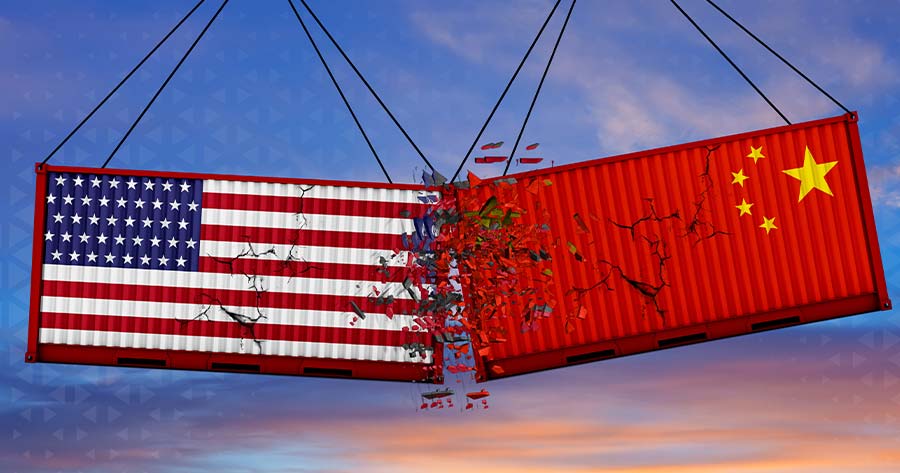
As the post-China luxury order takes shape, the US is emerging as the industry’s most dependable growth engine, while Japan, the Gulf, and India rise as the next decisive demand corridors. The global luxury industry is entering a decisive new chapter, one defined less by tourist-led splurges in Paris and Milan and more by domestic wealth concentration, currency-led arbitrage, and a sharper pursuit of value. The most striking signal of this reset lies in the spending table itself: the US now commands £80 billion in annual luxury spending, dwarfing China’s £33 billion and reaffirming its role as the sector’s primary profit pool. This realignment mirrors the broader “luxury recalibration” flagged by McKinsey for 2026, where brands are pivoting away from price-led expansion and back toward creativity, service, and craftsmanship.
The new centre of gravity
The country-wise spending data reveals more than simple market size; it maps the redistribution of global luxury confidence. The US lead at £80 billion is not merely a function of affluent demographics but of high-net-worth resilience and a renewed retail footprint strategy, with luxury retail square footage in the market having expanded sharply in 2025 as maisons doubled down on local demand. The table’s US row therefore reflects a deeper strategic truth: luxury’s most reliable customers are now buying closer to home, supported by equity market wealth effects, digital asset gains, and stronger clienteling ecosystems.
Table: Countrywise annual luxury spending
|
Country/Region |
Annual spending (£ bn) |
Market dynamics (2025-26) |
|
US |
80 |
High-net-worth resilience; growth in retail square footage. |
|
China |
33 |
Normalization phase; shift toward "social retail" models. |
|
Japan |
24 |
Inbound tourism surge; favorable FX driving "luxury arbitrage." |
|
France |
20 |
Strong local Tier-1 demand; Paris remains a global hub. |
|
UK |
16 |
Constraints due to lack of tax-free shopping for tourists. |
|
UAE |
10 |
Highest net inflow of HNWIs; permanent luxury residency hub. |
China’s £33 billion, by contrast, captures a market in shift. While still the world’s second-largest luxury consumer, the table’s normalisation phase descriptor is critical. Bain’s 2026 China luxury outlook suggests that after two years of decline, recovery remains fragile and segment-specific, with consumers increasingly rewarding brands that deliver true value through design relevance, cultural resonance, and tighter pricing logic. Fashion and leather goods remain under pressure, validating the narrative shift from conspicuous consumption to selective acquisition.
Japan’s £24 billion position is perhaps the table’s most fascinating data point. Tokyo’s resurgence is less about domestic demand alone and more about tourism-led luxury arbitrage, where exchange-rate advantages have converted the country into Asia’s most attractive premium shopping destination. In effect, Japan is monetising the very repatriation trend Europe is losing.
Europe’s tourist premium begins to fade
France £20 billion and UK’s £16 billion, point to a widening difference inside Europe. France remains insulated by Paris’s enduring Tier-I local and international prestige, preserving its role as the symbolic capital of luxury. Yet even here, the dependence on tourism is being challenged by changing travel flows and higher domestic shopping conversion in origin markets.
The UK’s softer position, constrained by the absence of tax-free shopping incentives, underlines how policy now directly shapes luxury demand geography. In a market where tourist wallets are increasingly important, fiscal frictions can quickly redirect spend to Paris, Milan, Dubai, or Tokyo.
Dubai’s wealth magnet and the rise of the new guard
The UAE’s £10 billion market size may appear modest relative to the US, but strategically it punches far above its weight. The reference to the world’s highest HNWI inflow is central to understanding why Dubai and Abu Dhabi have evolved from travel retail nodes into permanent luxury consumption ecosystems.
This matters because residency-led wealth migration creates stickier demand than airport or holiday retail. Luxury boutiques, branded residences, fine jewellery, bespoke tailoring, and hospitality-led retail are converging into a single consumption universe. The Gulf is no longer an adjunct to Europe’s luxury map; it is increasingly a self-sustaining capital of ultra-premium spending.
South Korea’s £13 billion and the identification of India and Southeast Asia as the next frontier reinforce the broadening of luxury’s geographic base. Here, the growth is being led not just by wealth creation but by cultural export power, aspirational premiumisation, and digitally native luxury discovery.
The aspirational consumer drunch
Yet beneath the top-line spending numbers lies a more fragile undercurrent. The industry’s recent dependence on aggressive price hikes has materially shrunk the aspirational base. Bain estimates the global luxury customer pool fell from roughly 400 million in 2022 to 340 million by 2025, a decline that has forced brands to reassess the economics of exclusivity.
This is where the comparison to Adidas’ assortment simplification becomes relevant. Luxury groups such as Kering and LVMH are increasingly prioritising SKU discipline, stock rationalisation, and hero-product storytelling over indiscriminate seasonal churn. The operational objective is clear: reduce capital tied up in slower-moving inventory while restoring emotional heat around timeless icons.
The Burberry Shenzhen-style social retail model offers an important blueprint in this context: blending immersive digital engagement with physical craftsmanship to rebuild relevance among younger Chinese luxury consumers.
Why jewellery is winning the category war
The category split embedded in the broader market narrative is especially revealing. Watches and jewellery, with a 27 per cent market share, have decisively outperformed soft luxury categories, supported by their growing perception as long-term stores of value. McKinsey’s 2026 outlook similarly identifies jewellery as the fastest-growing fashion and luxury category by unit sales, powered by self-gifting and investment logic.
Leather goods and footwear, by comparison, are facing visible price resistance. Consumers are becoming far less tolerant of inflationary price ladders that are not matched by craftsmanship or innovation upgrades. This difference is pushing brands to rethink assortments, margin mix, and replenishment cycles.
The backend becomes the battleground
What the spending table does not explicitly show, but the operational data increasingly confirms is that the next phase of luxury competition will be won in the backend. AI-led demand forecasting, supply chain visibility, and compliance with anti-destruction sustainability laws in Europe and California are becoming as important as creative direction.
In 2026, the sector’s winners are likely to be those that combine creative scarcity with data precision. The talent war is therefore shifting beyond ateliers and design studios toward analytics, retail tech, and intelligent merchandising.
At €1.44 trillion in total ecosystem value, luxury remains one of global retail’s most margin-resilient sectors. But its future growth will no longer be powered by broad-based aspiration alone. Instead, it will depend on how effectively brands align with America’s domestic wealth engine, Asia’s value-conscious rebound, and the Gulf’s residency-led affluence corridors. The era of easy global tourist-led luxury growth is fading. In its place is a more disciplined, regionally polarised, and operationally intelligent industry, one where repatriated spending, not passport traffic, now defines the balance of power.
India’s $9 Billion Landfill Blind Spot How trashed clothes hold the key to global trade survival

A massive economic windfall is sitting uncollected in India’s landfills, and the key to unlocking it lies in rethinking how the country disposes of its old clothes. At a high-powered panel discussion held in Mumbai on World Environment Day to launch Mumbai's Mega Post-Consumer Waste Collection & Upcycling Initiative, industry experts revealed that building an institutionalized "circular textile economy" could unlock a staggering $9 billion in annual economic value for India.
The panel,moderated by Dr. Pankaj Kumar, National Project Coordinator at UNIDO brought together leading voices from sustainability, policy, finance, and manufacturing. They issued a collective wake-up call: textile circularity is no longer just a green "waste management" initiative; it is a critical strategy for global trade survival.
The $9 bn blind spot
The most staggering revelation came from Devanshu Ralhan, Executive Director at Grant Thomton Bharat LLP, who referenced recent national studies conducted by the Ministry of Textiles and FICCI. "The kind of value that textile-based circularity can unlock on an annual basis is close to $9 billion, if an enabling environment exists for it," Ralhan stated. "That is actually equal to the amount of exports that we do to the EU on an annual basis. It's a huge potential."
However, realizing this potential requires overcoming a massive collection failure. Currently, 45% of post-consumer textile waste in India is not even collected, heading straight to landfills instead. Ralhan argued that for India to scale up, the government and industry must collaborate over the next five years to transition from fragmented pilots to an organized nationwide infrastructure. This requires establishing decentralized, hyper-local recovery centers equipped with high-accuracy automated sorting technology, alongside regional recycling hubs.
"At this moment, the whole business model breaks because there are just two recycling hubs in India," Ralhan explained. "What you really need is smaller hubs across the country to really solve that problem."
Moving beyond "Downscaling"
India already boasts an informal waste-picking economy, but it suffers from a fundamental qualitative flaw: a lack of precise sorting. Surya Valluri, Chief Sustainability Officer at Aditya Birla Cellulosic Fibre, pointed out that India generates roughly 7 to 8 billion tons of textile waste, with 40% hitting landfills and another 30% trapped in "downscaling"—mechanically shredding quality fabrics into low-value items like mattress stuffings, sleepover rugs, and industrial wipes.
"While it is about volume, it is sorting where the economic value of the waste starts unfolding," Valluri stressed, explaining that recyclers must know exact fiber chemical blends to upcycle fabric back into high-quality yarn. "For textile recycling to succeed, it has to be very well supported by a very strong network of sorting infrastructures."
Furthermore, Valluri warned that global brands will entirely lose interest if Indian suppliers cannot achieve massive industrial volumes. "The most important thing is scalability. If you have a solution, if you have a product, if you are not in a position to scale it up, I don't think the brands will be interested."
De-Risking capital for MSMEs
The operational engines behind this massive transformation are Micro, Small, and Medium Enterprises (MSMEs). However, small waste entrepreneurs face a steep financial wall when trying to scale past pilot stages.
Saurabh Dey, Principal at Intellecap, explained that while innovative textile startups are emerging across India, they require strategic "hand-holding" via creative financial structures. Intellecap has been tackling this bottleneck through viability gap funding and co-creating specialized grants for Textile Recovery Facilities (TRFs), with an eighth facility slated to open in Surat in the coming months.
"The waste management enterprises who are interested, all recycling sectors, MSMEs, are not afraid of getting loans," Dey observed. "They are afraid about the affordability part of it... Is there a higher moratorium that's available? That flexibility is very much required by the MSMEs."
Dey urged financial institutions to blend concessional public capital with philanthropic funds to drastically drive down the cost of capital, offering repayment structures linked realistically to bumpy waste business cycles.
The Next Frontier: The "Right to Repair" and traceability
To change consumer habits and corporate mindsets, the panel highlighted two emerging disruptive forces: institutionalized garment repair and digital supply chain tracking. Naveen Sainani, Chairman of the ESG Committee at the Clothing Manufacturers Association of India (CMAI), introduced a paradigm shift for domestic clothing brands: focusing heavily on commercial upcycling hubs and structural repair.
"A very important new thing which is coming up is repair," Sainani stated. "If we tell a brand to come out with a USP saying that any consumer who buys my products, for three years I take full guarantee of any repair: imagine the kind of carbon footprints which can be saved. Any buttons, zipper, ruffle, whatever can be done." Sainani also noted that while the younger generation is structurally aware of sustainability, the movement desperately needs cultural "heroes or stars" to make upcycled, repaired, and recycled fabrics mainstream fashion statements.
Yet, even with a cultural shift, Indian manufacturers face an existential threat on the global stage if they do not digitize their operations. Global regulatory shifts, particularly in the European Union, are mandating absolute product transparency.
Aditya Birla’s Valluri emphasized that "traceability is the single most important" factor for India's textile sector to survive upcoming global audits. Because small MSMEs cannot afford heavy IT infrastructure, Valluri proposed a vital public-private intervention: "Can we provide a cloud-based storage facility for these MSMEs so that they don't have to invest on the infrastructure, but they can avail that on a lease basis and can store their primary data?"
A collective path forward
As the session drew to a close, Dr. Pankaj Kumar synthesized the panel’s insights, reiterating that a truly circular ecosystem requires a tightly woven, three-pronged strategy: forward-thinking policy interventions, flexible MSME financing, and scalable sorting innovations.
The successful launch of Mumbai’s post-consumer collection drive serves as a critical first step. However, as the panelists made clear, clearing the landfills is only half the battle—the true victory lies in building the factories, sorting centers, and financial frameworks that turn India's discarded clothes back into economic gold.
A powerhouse coalition teamed up including CMAI, Tisser, the United Nations Industrial Development Organization (UNIDO), ReFiber, O’terri, World Trade Center Mumbai, and Lions International to hold the event and the initiative . On World Environment Day, they officially launched the ‘Mega Used Clothes Collection & Upcycling Initiative’, Mumbai's first-ever mega post-consumer textile waste collection campaign.
Carhartt WIP strengthens Dutch retail presence with Amsterdam expansion
Carhartt WIP (Work In Progress) has strengthened its footprint in the Netherlands with the inauguration of a new flagship store in Amsterdam’s historic Spiegelkwartier. Located at Nieuwe Spiegelstraat 34, this latest addition represents the brand's third standalone boutique in the capital, marking a significant step in its regional retail strategy. Situated within a district celebrated for its high-end art galleries and antique shops, the storefront occupies a former art gallery space, deliberately retaining a refined ‘white cube’ identity to honor the architectural heritage of the neighborhood while showcasing the brand's contemporary collections.
Curating immersive retail environments
Moving away from the industry-wide trend of screen-heavy, digital-centric retail design, Carhartt WIP’s recent expansion emphasizes material tactility and atmospheric depth. The new Spiegelkwartier location, designed in collaboration with Andrea Caputo and Salomée Faeh, utilizes a minimalist aesthetic that bridges the gap between the brand's industrial workwear roots and the sophisticated demands of the modern urban consumer. This experiential focus is echoed across the brand's global retail network, where physical flagships serve not merely as transactional outlets, but as cultural anchors designed to facilitate deeper community engagement through exclusive local capsules and curated environments.
Balancing global growth with regional autonomy
As Carhartt WIP continues to execute its Spring/Summer 2026 global campaign - centered on themes of transformation and tactile movement - its retail strategy remains firmly rooted in maintaining distinct, market-specific identities. By scaling its presence in key European fashion hubs, the label leverages its independent operational structure to maintain a consistent premium positioning. Industry analysts suggest that this disciplined approach to physical infrastructure, combined with a steady release cadence for seasonal and limited-edition collections, provides the brand with a resilient framework to navigate the broader challenges facing the international streetwear sector. This expansion underscores the company’s ability to successfully harmonize its blue-collar origins with a high-fashion, boutique-led distribution model.
Established in 1994 by Edwin Faeh in Switzerland, Carhartt WIP modifies classic American workwear for a global streetwear market. The brand operates over 60 international flagship stores and maintains a robust direct-to-consumer digital infrastructure. It focuses on premium menswear, womenswear, and specialized accessories, consistently emphasizing durable construction and subcultural relevance.
Brooks Brothers reinvigorates Midwest presence with Michigan Avenue flagship
Brooks Brothers has officially inaugurated a premier retail destination at 900 North Michigan Avenue in Chicago, reinforcing its commitment to the American high-street landscape. The new storefront, located in the heart of the city’s renowned retail corridor, serves as a strategic touchpoint for the luxury apparel house to re-engage with its multi-generational client base. This opening is part of a deliberate expansion strategy by its operating partner, Sparc Group, to bolster the brand's visibility in high-traffic urban clusters. The boutique’s design centers on a sophisticated aesthetic, creating an immersive shopping environment that balances the brand’s storied 1818 heritage with contemporary service models.
Integrating personalized retail and heritage identity
The Michigan Avenue flagship distinguishes itself by integrating high-touch personalization services, including dedicated personal shopping suites and on-site tailoring, which are critical for attracting today’s discerning luxury consumer. By prioritizing these experiential elements, Brooks Brothers is evolving its brick-and-mortar strategy to transcend traditional inventory-led retail. The Chicago location serves as a critical model for this service-first approach, aiming to cultivate deep brand loyalty through high-frequency engagement. This physical expansion is strategically designed to complement the brand’s accelerating digital footprint, ensuring a seamless omnichannel experience that aligns with the modern standards of the ‘Everyday Luxury’ sector.
Leveraging strategic scaling for global market reach
Brooks Brothers continues to benefit from the operational expertise of Sparc Group, which manages the brand's extensive retail, wholesale, and e-commerce infrastructure. Under the broader umbrella of Authentic Brands Group (ABG) - which recently solidified its position as a global licensing leader with $38 billion in pro-forma retail sales - Brooks Brothers is positioned for sustained global scaling. As ABG pursues an aggressive growth mandate, the focus for Brooks Brothers remains on maintaining its legacy of quality while navigating a competitive market that increasingly values agility and digital integration. This successful deployment in Chicago underscores the brand's resilience and its intent to capture an increasing share of the premium apparel market across North America and beyond.
Oldest continuous clothing retailer in the US
Founded in 1818, Brooks Brothers is the oldest continuous clothing retailer in the United States, celebrated for innovations like the button-down collar shirt. Currently operated by SPARC Group and owned by Authentic Brands Group, the label focuses on premium tailored clothing and sportswear, with a global expansion strategy in place.
BFL Group expands off-price presence with strategic Riyadh store launch
Dubai-based retail powerhouse BFL Group has officially expanded its Saudi Arabian network with the inauguration of a new ‘Brands For Less’ outlet at Salam Mall in Riyadh. This strategic launch in one of the capital's premier commercial corridors underscores the company’s objective to capture the burgeoning demand for high-end off-price apparel and home goods within the Kingdom. With this addition, the retailer further consolidates its position as a dominant force in the Middle Eastern value-fashion sector, effectively leveraging its signature ‘treasure-hunt’ business model to drive consistent footfall across the high-growth Saudi retail landscape.
Capitalizing on Saudi Arabia’s value retail growth
The expansion into Salam Mall is a calculated maneuver to align the brand with the evolving consumption patterns of Saudi shoppers, who are increasingly prioritizing premium value propositions. By maintaining a daily rotation of designer labels at significant discounts, the group bridges the gap between aspirational luxury and budget-conscious purchasing. Industry analysts note that this store opening serves as a pivotal touchpoint for the group's broader mandate to enhance its regional market share through high-visibility, Tier-1 mall placements.
This physical scaling is complemented by the group's ongoing commitment to digital transformation and localized logistics, ensuring that the brand maintains operational agility in a highly competitive retail environment.
Leveraging strategic synergies for regional growth
BFL Group’s expansion momentum remains supported by its landmark strategic partnership with global off-price giant TJX Companies, which acquired a 35 per cent stake in the business. This institutional backing has provided the necessary capital and operational insights to accelerate the group’s footprint across the GCC and beyond. As BFL Group continues to scale, the integration of advanced data analytics and e-commerce enhancements remains central to its long-term strategy of delivering a seamless omnichannel experience. By combining its proven off-price sourcing capabilities with a growing network of physical flagships, the company is well-positioned to navigate the complexities of the Saudi retail sector and capture a larger segment of the regional fashion wallet.
Headquartered in Dubai, BFL Group is a leading off-price retailer specializing in designer fashion, home decor, and lifestyle goods. Founded in 1996 in Lebanon, the company operates over 100 stores across the Middle East and Southeast Asia. BFL Group is currently scaling its physical and digital retail presence globally.
Adidas expands European retail network with PlusCity flagship launch
Adidas has significantly expanded its physical retail presence in Central Europe with the inauguration of a new large-format flagship store in the PlusCity shopping center, located in Pasching, Austria. Spanning 600 sq m, the retail space is positioned within one of Austria’s most frequented commercial hubs, reflecting the sportswear giant’s strategic focus on high-traffic, premium environments. This opening is part of a broader commitment to enhancing direct-to-consumer (DTC) touchpoints, ensuring that the brand’s expansive catalog - ranging from specialized running gear to high-fashion streetwear - is accessible in a refined, immersive setting ahead of major global sporting events.
Advancing DTC strategy through experiential environments
The new Pasching storefront utilizes an advanced interior design language characterized by precision lighting and optimized product displays, intended to elevate the customer experience beyond traditional transaction-based retail. By integrating a dedicated local advisory team,
Adidas aims to foster deep regional engagement, allowing the brand to showcase its technical innovations and lifestyle collections with higher efficacy. This emphasis on physical space complements the company’s strong global DTC momentum, which saw a 22 per cent sell-out growth in Q1, FY26. These branded environments serve as crucial anchors for consumers, bridging the gap between digital discovery and in-store sensory testing.
Sustaining operational momentum in a volatile market
This retail expansion follows a robust start to the FY26 for Adidas, with the group reporting a 14 per cent increase in currency-neutral revenue, reaching €6.6 billion in the first quarter. Despite ongoing macroeconomic volatility and currency headwinds, the brand has demonstrated significant operational leverage, with operating profit rising 16 per cent to €705 million. As the company continues to maintain a disciplined approach to inventory management and wholesale distribution, these strategically selected flagship stores provide a hedge against market fragmentation, ensuring that the brand retains control over its pricing and premium positioning.
Looking forward, the company maintains a cautious yet optimistic full-year outlook, targeting an
operating profit of approximately €2.3 billion for 2026.
Expanding high-value retail
Adidas is a Germany-based global leader in sportswear, manufacturing performance-driven athletic footwear and lifestyle apparel. The company operates across 160 countries with an extensive global retail network. Driven by continuous innovation in material science and design, Adidas is currently focusing on premiumizing its direct-to-consumer channels and expanding high-value physical retail.
Aritzia accelerates US expansion with St Louis flagship debut
Vancouver-based ‘Everyday Luxury’ retailer, Aritzia has officially entered the Missouri market with the opening of a 10,000-sq-ft flagship boutique at Plaza Frontenac in St Louis. This high-profile launch marks a tactical progression in the company's aggressive US growth strategy, which has become the primary catalyst for its recent revenue surge. By securing a footprint in one of the Midwest’s premier luxury shopping destinations, Aritzia aims to consolidate its presence in the American interior, leveraging the location’s high-income demographic to deepen brand penetration and support its expanding omnichannel ecosystem.
Scaling the everyday luxury model
The St. Louis opening is a key indicator of Aritzia’s broader retail mandate to increase its physical footprint by 12 to 13 boutiques globally during FY27, with the majority of these slated for the United States. Following a record-breaking FY26, which saw the company achieve $3.7 billion in net revenue - a 35 per cent Y-o-Y increase - management is prioritizing large-format flagships that offer personalized styling services and immersive interior design. These physical touchpoints serve as experiential anchors, designed to convert digital traffic into high-value, in-store client relationships and amplify the brand’s ‘Everyday Luxury’ positioning in untapped regional territories.
Driving record revenue through operational excellence
Aritzia’s growth remains underpinned by rigorous inventory management and a high-performance boutique model. Despite broader macroeconomic headwinds, the brand’s U.S. segment demonstrated exceptional vitality, with U.S. net revenue growing by 38% in the most recent fiscal period. Looking toward fiscal 2027, the company forecasts continued growth, targeting annual net revenue between $4.4 billion and $4.6 billion. By maintaining a disciplined cadence of new boutique openings and repositioning existing locations, Aritzia is effectively positioning itself to capture a larger share of the competitive North American fashion market while sustaining strong operating margins.
Aritzia is a vertically integrated design house offering premium women’s fashion, including apparel and accessories, under brands such as Wilfred, Babaton, and Tna. Founded in 1984, it operates over 140 boutiques across North America. The company is currently executing a growth plan focused on geographic expansion and digital acceleration.