FW
Levi's makes big bet on DTC sales, embraces baggy denim trend
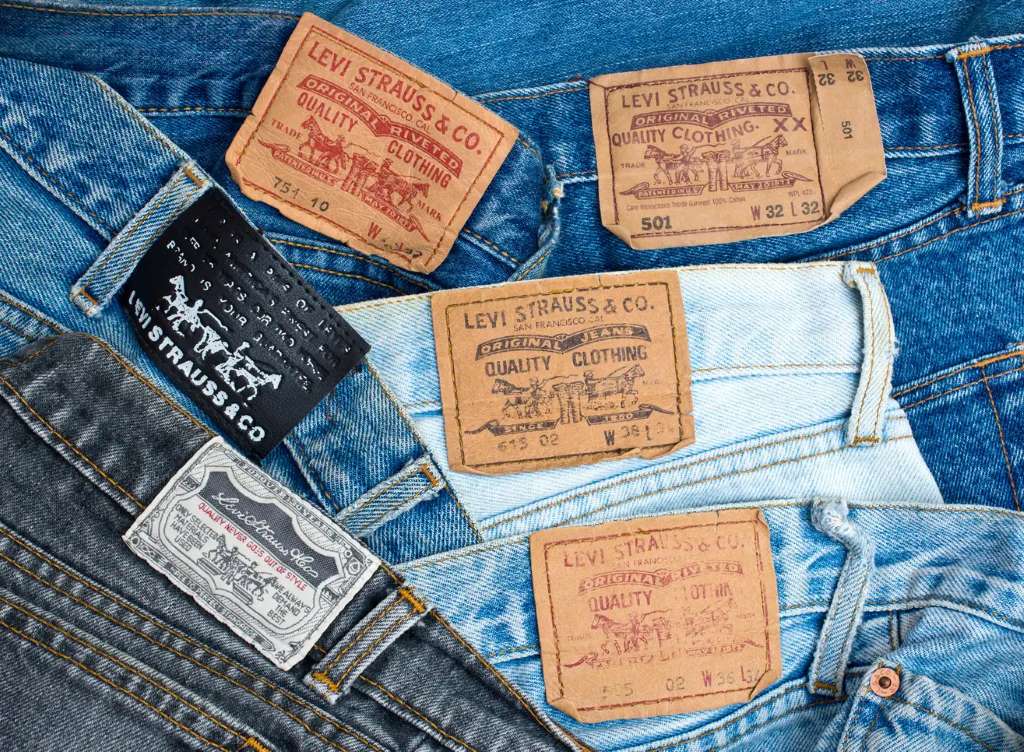
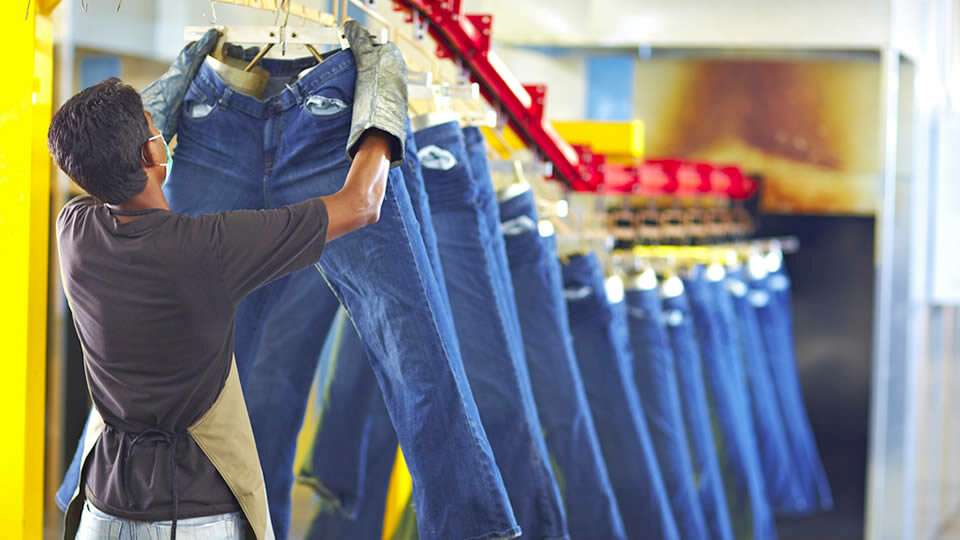
Levi Strauss & Co. (Levi's) is experiencing a positive shift in its business strategy, with a strong focus on direct-to-consumer (DTC) sales leading to a 7 per cent increase in after-hours trading and an 11 per cent rise in pre-market trading on Thursday. This success is attributed to a significant rise in DTC sales across all segments, with nearly half (48 per cent) now coming directly through Levi's online marketplace and brick-and-mortar stores.
Shifting Gears: DTC over wholesale
CEO Michelle Gass emphasizes the importance of leveraging the DTC channel, potentially moving away from a heavy reliance on traditional wholesale partners like Macy's and Kohl's. This strategic move allows Levi's to build a stronger brand connection with consumers and potentially capture a larger share of the profits.
Growing demand for baggy denim
DTC sales data also reveals a clear trend towards baggie styles. Women are increasingly purchasing denim skirts, jumpsuits, low-rise and bootcut jeans, indicating a move away from skinny jeans. Men are following suit with a rise in loose-fitting jeans. Interestingly, Gass remained coy about a potential sales boost linked to Beyonce's recent song ‘Levii's Jeans’. However, the trend does indicate a broader move towards comfort and relaxed silhouettes in fashion.
Meanwhile, Levi's surpassed Wall Street's expectations with revenue of $1.56 billion, exceeding analyst forecasts. However, the company reported a loss of $10.6 million in the first quarter, partly due to the discontinuation of the Denizen brand and workforce reductions. Despite a first-quarter loss due to brand divestment and workforce reduction, Levi's anticipates full-year profits to rise, adjusting its EPS outlook to $1.17-$1.27 (up from $1.15-$1.25).
Global expansion plans
Despite the workforce reduction, Levi's continues to invest in its global presence. Plans include opening new stores in Asia and a flagship store in Paris ahead of the 2024 Summer Olympics. This expansion reflects confidence in the brand's international appeal alongside its booming DTC channels.
While Levi's is experiencing positive momentum, some challenges remain. One major issue is inflation waning consumer spending due to inflation could dampen sales growth. Also, fast fashion brands and other denim players pose a constant threat. However, the company's strong brand heritage, focus on DTC growth, and adaptation to changing consumer preferences position Levi's for continued success.
Key Takeaways
• Levi's is experiencing strong growth in D2C sales, with almost half coming from their own channels.
• Consumer preferences are shifting towards baggier denim styles.
• The company incurred a loss in Q1 2024 due to brand exit and workforce reduction.
• Despite inflation concerns, Levi's maintains a positive profit outlook for the year.
• Global expansion plans include new stores in Asia and a flagship store in Paris.
Fashion InStyle, Home InStyle showcase lifestyle trends and sustainability efforts
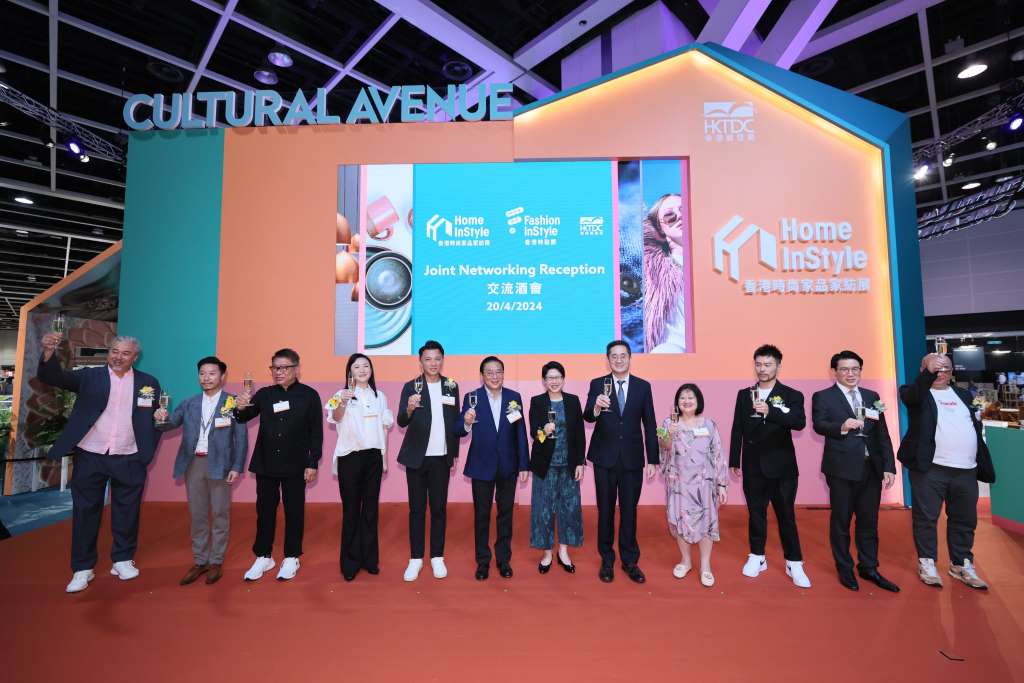
The Hong Kong Trade Development Council (HKTDC) is hosting a week-long extravaganza of lifestyle products and creative industries, featuring two key fairs: Home InStyle and Fashion InStyle. The events, running from April 20th to 30th at the Hong Kong Convention and Exhibition Centre (HKCEC), bring together over 2,200 exhibitors from 17 countries and regions, solidifying Hong Kong's position as a global hub for design and innovation.
Fringe Activities Abound: Seminars, award shows, and fashion parades
Beyond product displays, the fairs offer a plethora of fringe activities for industry professionals and visitors alike. Seminars featuring renowned speakers delve into critical topics like retail apparel market trends, consumer preferences in the "silver" market, and the growing importance of sustainability in fashion.
Fashion enthusiasts can witness the latest trends come alive at fashion parades, while design aficionados can explore the Cultural and Creative Corner, a platform for established and emerging design talents. Award shows recognize outstanding design achievements, with this year's Home InStyle showcasing the award-winning Yuen Sek tableware, lauded for its functionality and aesthetics.
International presence strengthens industry connections
The fairs boast a strong international presence, with exhibitors from across the globe showcasing their products. Visitors can explore pavilions dedicated to specific countries, experiencing the rich cultural influences reflected in homeware and textiles. From traditional Indian home textiles to innovative Sri Lankan furniture, the fairs offer a glimpse into diverse design sensibilities.
Sustainability takes center spot
A key focus of both Home InStyle and Fashion InStyle is sustainability. The events highlight eco-friendly products and services, aligning with Hong Kong's commitment to reducing plastic use. A dedicated Certification and Trade Services zone at Fashion InStyle helps businesses navigate sustainability certifications, while the Green Living zone at Home InStyle showcases eco-friendly homeware solutions.
Merging Innovation with Tradition: A look at specific zones
Home InStyle offers a wide range of zones catering to diverse needs. The Hall of Elegance features established designer brands, while Green Living spotlights eco-conscious homeware. New zones like Home Textiles and World of Fine Textiles cater to those seeking high-quality textiles and household items. Fashion InStyle boasts zones dedicated to Athleisure, Fashion Accessories, and a Kid's Wardrobe section, ensuring there's something for every taste. The Fashion Tech zone offers a glimpse into the future of fashion, showcasing cutting-edge technologies in clothing production, including the use of advanced materials for superior insulation.
EXHIBITION+ Model: A hybrid approach to business matching
The HKTDC's EXHIBITION+ model seamlessly blends physical and online elements. The platform allows buyers to continue sourcing products and connect with suppliers even after the physical event concludes. Additionally, the Click2Match platform facilitates business matching, while the Scan2Match function empowers buyers to scan exhibitor QR codes, bookmark contacts, and access product information for continued discussions online.
This year's Home InStyle and Fashion InStyle offer a comprehensive look at the latest trends in lifestyle products, design, and sustainability. With a focus on international collaboration and industry education, the fairs provide a valuable platform for businesses and design enthusiasts alike.
Adidas launches new sports bra range for Olympic runners
Sportswear giant Adidas has introduced a new range of sports bras known as the ‘Techfit Control Bra’ for women suffering from running-related breast pain.
Launched in collaboration with the ‘reactivewear’ engineering company Rheon Labs, the sports bra is made from Rheon’s patented reactive super polymer that adapts to support the breast during high-intensity movements.
The bra uses strips of strain-rate-sensitive polymer strategically placed across the breast tissue. Like running on wet sand, it only hardens under intense movement, then returns to being soft and pliable. This provides all-around support during activity without being restrictive or overly compressive”.
The shape, size and placement of each piece is ergonomically designed using computer modeling to offer the optimal support for key muscle groups during exercise.
Overall, the sports bra claims to improve support, reduce wasted energy, and maximise running performance by 7 per cent.
Adidas has also incorporated Rheon into its athletics kits for team GB, France, and Ethiopia at the Paris 2024 Olympics.
The Techfit Control x Rheon Sports Bra is available online at adidas.com, priced at £65 and available in sizes 32A,B to 48E,G.
Lululemon Athletica to close Washington distribution center
Lululemon Athletica plans to optimise its business operations by closing its distribution center in Washington by the end of the year, and laying off over 100 employees
According to a WARN notice filed with the state’s Employment Security Department, the
Vancouver-based firm will shutter the Sumner distribution center and cut 128 jobs beginning June 21. The lease for the 150,000 sq ft distribution center will end in June 2025.
The move is a result of the slowing demand being witnessed by Lululemon for its premium athleisure in North America. Excessive inventory levels with sporting retailers in this region have resulted in lower orders for sportswear and apparel firms.
The company plans to retain some of its employees and relocate them to other facilities, including the recently opened distribution center in greater Los Angeles area.
In 2021, the retailer in 2021 entered into a new lease for an about 1.26 million-sq-ft distribution center in Ontario city in California. The lease expires in 2039. Lululemon also owns a distribution center in Groveport, Ohio, while leases majority of its other facilities located across the United States, Canada and Australia.
Shenzhen Underwear Fair (SIUF) Wraps Up Showcasing Expanding Focus: Beyond lingerie
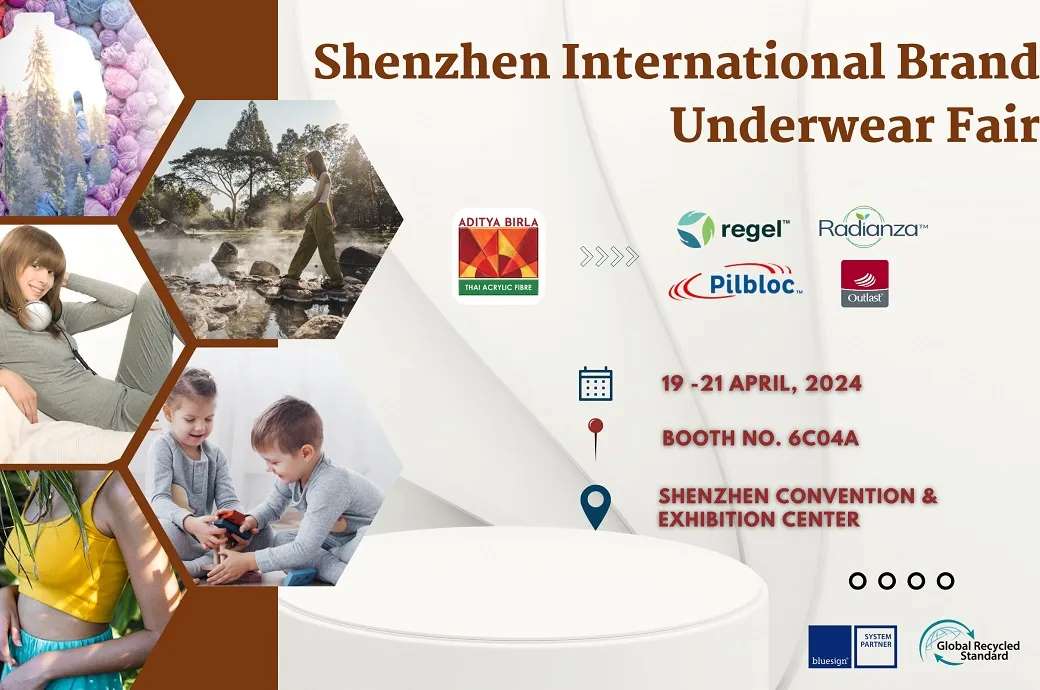
The 2024 China (Shenzhen) International Brand Underwear Fair (SIUF) concluded yesterday, April 21st, marking the end of a three-day event brimming with the latest trends and innovations in the intimate apparel industry. Held at the Shenzhen Convention & Exhibition Center from April 19th to 21st, SIUF cemented its reputation as Asia's most influential underwear trade fair.
This year's SIUF expanded its focus beyond traditional lingerie, showcasing a wider range of undergarments including swimwear, loungewear, and functional activewear. This reflects the evolving consumer preferences towards comfort and versatility in their undergarments. Sources reported a strong presence of brands showcasing seamless designs, sustainable materials, and athleisure influences, catering to the growing demand for active lifestyles.
Fostering Connections: A hub for business
Beyond product exhibits, SIUF served as a premier platform for industry professionals. The event facilitated business networking through designated exhibitor zones and matchmaking sessions, fostering new partnerships and collaborations. Renowned for its ability to connect key players in the global underwear market, SIUF attracted a significant number of industry representatives seeking to explore business opportunities. A major highlight was the "Underwear Innovation Forum," a high-profile conference featuring industry experts discussing the latest technological advancements and their impact on garment design and manufacturing.
Celebrating Excellence: From runway shows to awards
The SIUF wasn't just about commerce – it also celebrated excellence in the industry. The event featured a grand opening ceremony, captivating fashion shows showcasing the latest styles, and prestigious award ceremonies recognizing outstanding achievements by brands and individuals. The runway dazzled with collections from established and emerging designers, highlighting bold color palettes, intricate lacework, and innovative fabrications. Notably, local designer Li Wei took home the "Best Sustainable Design" award for her eco-friendly lingerie line.
Shaping the future of undergarments
The successful conclusion of the 2024 SIUF underscores its position as a leading event in the global intimate apparel industry. By showcasing cutting-edge trends, facilitating business connections through dedicated networking events and conferences, and recognizing industry leaders, SIUF plays a crucial role in shaping the future of undergarments.
Birkenstock to open new stores across Austin and Nashville
After opening a store in the Design District, Miami, Birkenstock plans to open new stores across Austin and Nashville.
Many fashion brands have been opening their stores in Nashville and Austin in recent years and Birkenstock has a huge opportunity to expand here, says David Kahan, CEO, Birkenstock Americas. The brand currently has stores across five other locations in the US. It will launch the Austin store on South Congress Ave in June, while Nashville will be launched later in the year.
According to Kahan, besides New York and LA, other cities in the US are also becoming hubs for fashion, innovation and creativity.
Birkenstock has introduced a self-service hybrid retail model that allows customers to shop independently to find their own style and size. The store also has staff on site to assist with fittings.
The first of these hybrid stores have been opened in Sevierville, Tenn, while another in Westgate, Arizona will debut later this month. The two locations were chosen for their reputation of being outdoor lifestyle centers, adds Kahan. This model helps the company to meet more consumer demand for accessibly priced product. For example, these locations will be used to stock Birkenstock’s EVA collection — which retails form $35 to $60.
The 250-year old German footwear brand also continues to build its digital business and strengthen relations with wholesale partners. Its Q1 FY24 revenues grew by 22 per cent to € 302.9 million from €248.5 million ($269.4 million) the same time last year.
As a part of its recent ‘Make Room for Shoes’ campaign launched in partnership with Nordstrom, Birkenstock plans to sell four silhouettes and color combos through Nordstrom.com, Birkenstock.com, and Nordstrom and Birkenstock stores in the US — for a limited time.
Kenya to launch new clothing company to boost apparel exports
William Ruto, President, Kenya will inaugurate a new clothing company, Nexgen Packaging Kenya, in Athi River on April 23, 2024. Specialising in the production of garment accessories including hangers, patches and woven labels, the facility will boost Kenya’s apparel exports to the United States, thus enhancing its forex reserves. The facility will also help Kenya create an estimated 20,000 new jobs.
The new facility will specialise in the production of various garment accessories, including hangers, patches, and woven labels. These woven labels will play a crucial role in raising consumer awareness by displaying details like fabric composition, such as ‘100 per cent cotton.’
Establishment of the factory has been facilitated by a grant from the United States Agency for International Development (USAID). The event will be accompanied by a ‘Made in Kenya’ expo, showcasing 14 Kenyan apparel and textile businesses that have benefited directly from American support. This expo will highlight the positive impact of US-Kenyan collaboration in strengthening the local textile sector.
The strategic decision to designate Kenya as the primary production hub for Africa affirms the nation's growing importance in the textile industry. This new facility will undoubtedly complement existing operations in Ethiopia, Egypt, and West Africa.
Sales of Korea’s luxury fashion houses decline in 2023
Following a period of robust growth during the height of the COVID-19 pandemic, sales of luxury fashion houses in Korea declined notably in 2023.
Sales of renowned French label, Chanel declined last year after over 30 per cent growth in 2021 and 2022. The brand’s operating profits decreased by 34 per cent Y-o-Y to 272 billion won, a stark contrast to the robust profit surges of 2021 and 2022.
Similarly, Louis Vuitton witnessed negative growth in both sales and operating profits last year. Sales dipped by 2.4 per cent to 1.65 trillion won following impressive growth rates of 40 per cent and 15 per cent in 2021 and 2022, respectively. Operating profits plummeted by 31.4 per cent to 286.7 billion won in 2023, after surges of 98 per cent and 38 per cent in the previous two years.
Christian Dior, another esteemed French luxury brand, saw a 12 per cent increase in sales last year, surpassing the 1-trillion-won mark for the first time. However, the growth rate slowed compared to the 51 per cent surge in 2022.
Among the top five luxury brands in Korea, Hermes was the only company to register growth in both sales and operating profits last year. Sales reached 797.2 billion won, up by 22.7 per cent, with operating profits climbing by 12 percent to 235.7 billion won.
Celine and Rimowa also stood out with rapid growth last year. Celine Korea's annual sales skyrocketed by 513 per cent to reach 307.2 billion won, while Rimowa Korea saw a 77 per cent increase in sales to 63.5 billion won. Operating profits for both brands also experienced substantial growth.
Additionally, the source noted a significant decline in sales and profits for luxury accessories brands such as Rolex, Omega, and Bulgari last year.
Interfiliere Shangai to offer unparalleled industry insights
Scheduled for October 15-16 in Shanghai, Interfiliere is poised to offer unparalleled insights, inspirations, and networking opportunities for stakeholders in the global body fashion industry.
On April 11, 2024, Interfiliere Shanghai debuted its much-anticipated roadshow, drawing in over 25 international and local media representatives, alongside prominent figures from the intimate apparel fashion sector.
Spearheaded by Yvette Hu, Managing Director, Eurovet Asia, the event offered deep insights into the prevailing global trends in intimate apparel fashion. Hu shed light on the burgeoning business prospects within the global body fashion industry, particularly in Southeast Asia. Moreover, she highlighted the significance of forthcoming Interfiliere Shanghai 2024 as a platform for forging new business alliances and collaborations.
Orchestrated by Comexposium (Shanghai) Co, a premier event organiser on the global stage, Interfiliere Shanghai 2024 is renowned for its pioneering role in the intimate apparel domain. With esteemed partners such as La Fédération De La Maille & De La Lingerie and esteemed trendsetting entities like Concepts Paris and La Federation, the event is set to define the pulse of global body fashion trends.
Marking its 20th anniversary, Interfiliere Shanghai 2024 promises an array of festivities, including trend forums, conferences, celebratory galas, and international awards ceremonies.
H&M halts sourcing from Myanmar over labor abuse allegations in garment factories
World's second-largest fashion retailer, H&M has announced its decision to gradually halt its sourcing from Myanmar, citing increasing reports of labor abuses in the country's garment factories. This move follows similar actions by other major brands such as Zara owner Inditex, Primark, and Marks & Spencer.
The decision comes amid a backdrop of political turmoil and humanitarian crisis in Myanmar, exacerbated by a military coup in February 2021. The resulting violence and disruptions to the economy have raised significant challenges for companies operating in the country.
H&M disclosed that it is investigating 20 alleged instances of labor abuse at Myanmar garment factories supplying them. A report by the Business and Human Rights Resource Centre revealed a substantial increase in reported cases of worker abuse, including wage theft and forced overtime, since the coup.
Despite the challenges, H&M emphasised that its decision to withdraw from Myanmar was not solely based on the report but rather stemmed from its own evaluation of the situation. The company stated its commitment to a responsible exit strategy, developed in collaboration with IndustriALL, a global union advocating for brands to cease operations in Myanmar.
Vicky Bowman, Director, Myanmar Centre for Responsible Business, expressed highlighted the potential negative impact of the brand’s decision on thousands of women workers in Myanmar. However, she acknowledged the challenging environment for labor rights organisations and trade union organisers under the military junta.
Other brands like Primark have also announced their exit from Myanmar, with shipments expected to cease by the end of the year. However, concerns remain about the potential repercussions on local communities and workers, as withdrawing could deprive them of vital investment and wages.
This move by H&M and other corporations reflects the complex ethical dilemmas faced by multinational companies operating in regions with poor human rights records. Despite the desire to distance themselves from labor abuses, their exit could have unintended consequences for vulnerable workers and communities.