FW
Govt inaugurates first COE by AMHSSC in Mumbai
Piyush Goyal, Minister of Commerce & Industry, Government of India, opened the first Centre of Excellence (COE) by the Apparel, Made-ups & Home Furnishing Sector Skill Council (AMHSSC) at Kandivali in Mumbai.
Created with the cooperation of ITEES Singapore, the COE incorporates global standards into India’s skilling ecosystem. Contrary to the earlier centers established separately by AMHSSC, this COE aims to offer courses created in partnership with ITEES Singapore, a global leader in technical education. Its goal is to align India’s clothing training programs with the finest international standards, hence raising industry productivity and quality.
The COE will offer specialised courses like ‘Luxury Fashion Consultant,’ ‘Fashion Retail Merchandising,’ and ‘Sourcing Specialist,’ to meet the changing demands of the RMG industry in India.
For aspiring young, nano, and small business owners who want to start their own fashion companies, the COE also offers a course on Fashion Entrepreneurship.
Till date, AMHSSC had trained over 22 lakh people nationwide, and aims to continue building a skilled workforce to lead the industry forward with innovation and excellence, states Dr Sakhtivel, Chairman.
Leading organisations sign MoUs with TEXPROCIL to elevate Kasturi Cotton Bharat brand
At the World Cotton Day 2024 celebrations, co-hosted by the Ministry of Textiles, Confederation of Indian Textile Industries (CITI), Cotton Corporation of India (CCI) and other leading industry organisations signed MoUs with Sunil Patwari, Chairman, The Cotton Textiles Export Promotion Council (TEXPROCIL) to help elevate Kasturi Cotton Bharat, India’s premium cotton brand, across the cotton value chain—from sustainable farming to textile manufacturing and brand adoption.
One of the most pivotal MoUs signed during the occasion was between Rakesh Mehra, Chairman, CITI and TEXPROCIL to promote awareness and enhance the quality of Indian cotton, ensuring farmers benefit from the Kasturi Cotton mark. Through this MoU, CITI plans to optimise cotton production across hectare under the CITI-CDRA Sustainability Program.
Jyoti Kapoor, Country Director – India, Better Cotton Initiative also signed an MoU to support sustainably sourced cotton, reinforcing one of the key pillars of the Kasturi Cotton initiative.
Kinner Lakhani, Chief Operating Officer, CottonConnect, also teamed up with TEXPROCIL to help farmers align their cultivation with Kasturi Cotton's quality standards, fostering responsible growth practices and enhancing farmer livelihoods.
Dr Pradeep Kumar Agarwal, Trident Group also signed an MoU to utilise over 500,000 bales of Kasturi Cotton over the next two cotton seasons, while Vardhman Group pledged to process 21,000 bales during the upcoming season.
Furthermore, Rahul Mehta, Chief Mentor, Clothing Manufacturers Association of India (CMAI), signed an MoU to promote the brand among its members, amplifying Kasturi Cotton’s presence across fashion and apparel platforms. The Brands and Sourcing Leaders Association (BSL) also plans to sign an MoU to enhance the global marketing and branding of Kasturi Cotton, using its expertise to integrate the cotton into contemporary fashion designs.
Shanghai Fashion Week kicks off with collections by local and international designers
Being held from Oct 08-16, 2024, the Shanghai Fashion Week features a dynamic mix of international and local designers. The event kicked off with leading Chinese model and designer Lu Yan presenting her brand, Comme Moi, with a collection inspired by contemporary artist James Turrell, renowned for his dramatic use of light and color.
The 12-day event will feature iconic British brand Vivienne Westwood on Oct 17, staying true to its rebellious punk roots and environmental mission through the Vivienne Westwood Foundation. Joining the lineup is London-based label KNWLS, making its China debut with a KNWLS X ENG Pop-up launch at ENG Concept Store, focusing on the future of feminist fashion.
On Oct 19, luxury Italian brand Moncler will close the fashion week with its immersive Moncler Genius event, a showcase of collaboration across fashion, art, and design. A trendsetter since 2018, Moncler Genius believes in pushing creative boundaries, and continues its journey in Shanghai this year.
Designer Angel Chen will collaborate with beverage brand Change to blend traditional Chinese craftsmanship with modern aesthetics. Other notable names like Staffonly, Xiaoli, Judyhua along with emerging designers such as Ya Yi and Hanqing Ding also will present their collections during the fashion week.
Rockbund contemporary art museum will host Labelhood, featuring 16 young Chinese brands, including newcomers Rè Shuǐ, ili node, and Hengdi Wang, injecting fresh energy into the fashion scene. Glam at New Bund 31 will spotlight modern Chinese garments and international couture, with brands like Shicongjin and Amusée Moi debuting their latest creations.
Visa will launch the Visa Creator Program, supporting local talent, while Mercedes-Benz collaborates on the Stronger Than Me event at the Museum of Art Pudong, featuring Lu Yan’s Comme Moi and a special G-Class project by designer Chen Peng.
Shein surpasses Boohoo with revenues worth £1.55 billion in the UK market
Surpassing Boohoo in Britain’s retail market for the first time, Shein reported annual revenues of £1.55 billion over the past year. Known for its low-cost clothing shipped directly from China, the Chinese fast fashion label recorded a 38 per cent increase in UK sales in the 12 months leading up to Dec 2023.
According to the accounts for Shein Distribution UK, the brand's British subsidiary, the retailer’s revenues rose to £1.55 billion during 2023, compared to £1.12 billion over the previous 16-month period. This marks a significant moment for the UK fashion industry, as Shein's annual sales have now overtaken Boohoo, and the company is rapidly closing in on Asos.
In Boohoo's most recent full-year report, the company posted UK revenues of £922 million, reflecting a 16 per cent decline from the previous year. Meanwhile, Asos reported domestic sales of £1.55 billion for the same period.
Kate Calvert, Analyst, Investec notes, driving away sales from competitors like Boohoo and Asos, Shein's growth has undoubtedly impacted other online retailers. However, the fast fashion giant's rapid growth has sparked criticism from some of Britain’s leading retailers, who have raised concerns about Shein’s tax practices.
The controversy revolves around Shein shipping items directly to customers from China, which rivals argue allows the company to pay significantly lower customs duties. However, defending its practices, Shein cites its ‘on-demand business model and flexible supply chain’ as the reason for its affordable prices, which in turn has fueled its growth.
Shein's pre-tax profit also increased to £24 million during the period, doubling from £12 million in the previous period, show its latest accounts. The company’s tax bill rose to £5.7 million from £2.34 million the year prior. In comparison, Asos received a £73 million tax credit for its last financial year, while Boohoo paid £19 million in taxes.
Burberry launches new campaign focusing on brand’s durability
Focusing on heritage, Burberry has launched a new campaign focusing on the durability of the brand’s garments.
Entitled ‘It’s Always Burberry Weather,’ a slogan taken from the Burberry archive, the campaign features seven key styles including, the trench, the Harrington, the quilt, the puffer, the parka, the aviator and the duffle.
The brand’s first since the appointment of Joshua Shulman, as the new CEO, the campaign focuses on heritage and humor as a part of its future strategy. It has been shot across London and the British countryside by Alasdair McLellan.
Comprising a series of drole and charming vignettes and portraits, the campaign plays on a familiar British iconography and outdoor activity but unexpectedly and with a sense of humor. It features Academy Award- winning actor Olivia Colman in a forest green quilt jacket with plaid lining, standing among a group of sheep and before a foam green Range Rover.
With attired in a juniper green plaid purffer, Barry Koeghan, Brand Ambassador and BAFTA Award-winning Actor, plays on his sensitively gritty character by peeping warily over his forearm.
Daniel Lee, Chief Creative Officer, Burberry, says, the campaign highlights the brand’s commitment to protection, functionality, and the outdoors, drawing inspiration from Burberry's archives. It features two of England's rising football stars, Cole Palmer and Eberechi Eze, in playful fishing scenes. Palmer dons a brown duffle coat with a B shield toggle, while Eze sports a windcheater Harrington.
The cast also includes model Cara Delevingne, posing in front of Big Ben in a suede aviator jacket, actor Zhang Jingyi in a classic Burberry spy-trench, and BRIT Award-winner Simz in a short beige Harrington jacket.
This all-encompassing campaign will be promoted through cinema ads, global pop-ups, window displays, and in-store activations, underscoring Burberry’s heritage while reinvigorating its contemporary appeal.
Fast Retailing to surpass annual profit forecasts for the third consecutive year
For the third consecutive year, the Japanese parent company of Uniqlo, Fast Retailing is poised to surpass its own forecasts for annual profits as the brand’s expansion in the Western markets and recovery in China business continues to drive growth.
As per the estimates of 15 analysts compiled in a study by LSEG, the company’s operating profit grew by 24 per cent to 478.3 billion yen during the 12 months ending Aug ’24. This slightly exceeds Fast Retailing's earlier forecast of 475 billion yen, which it raised in July after strong second-half performance.
Moving forward, key factors like the success of its fall and winter collections in Japan, as well as efforts to revitalise its business in China are likely to help drive the company’s profits. The company’s investors are likely to shift focus on strategies in Greater China to reverse earnings declines caused by weak consumer sentiment and intensified competition, says Mark Chadwick, an independent analyst.
With over 900 stores in China, Fast Retailing is considered a prominent name in China’s retail sector. While COVID-19 restrictions hampered the company's performance in the country for years, it currently struggles with a sluggish economy affecting consumer confidence. In July, Pan Ning, CEO- Greater China, acknowledged, market’s maturity led the company to scale back new store openings and adopt a ‘scrap and build’ approach to underperforming locations.
During the pandemic, when China’s sales were hit by lockdowns, Fast Retailing shifted its focus to expanding in North America and Europe. The company recorded strong sales and profits in both regions in the first nine months of fiscal 2024. Tadashi Yanai, Founder, believes, in the post-COVID world, consumers’ are increasingly opting for value over luxury, a trend that aligns with Uniqlo’s brand proposition.
China's Shifting Tides: Navigating the evolving textile and apparel trade landscape
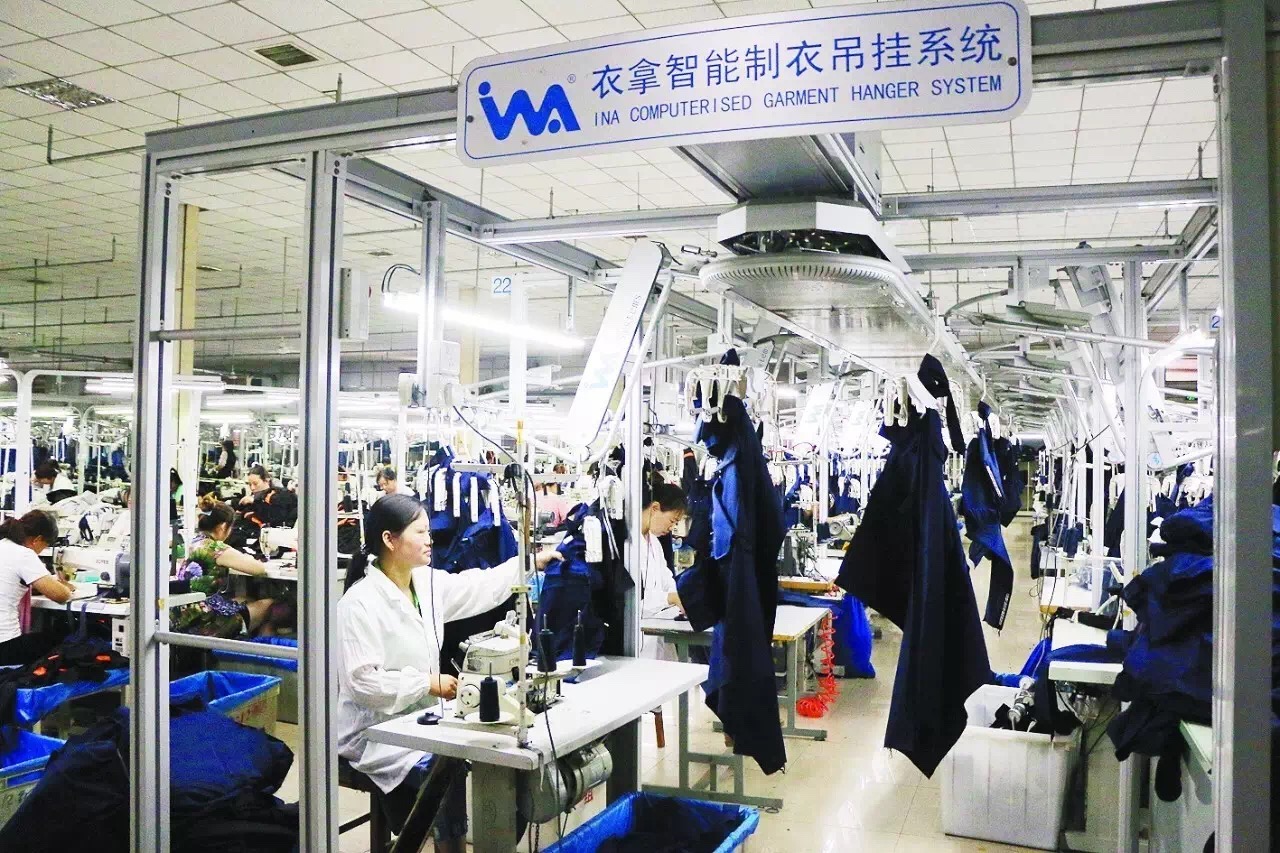
China has long been the world's textile and apparel manufacturing powerhouse, but recent years have seen notable shifts in its domestic and global trade dynamics. Evolving consumer demands, supply chain disruptions, and rising manufacturing costs have all played a role in reshaping the industry.
A shifting trade landscape
Despite fluctuations, China's textile and apparel exports has shown resilience, remaining a significant contributor to the global market. Imports on the other hand have steadily increased, reflecting a growing domestic demand for higher-value and specialized products. In the global market while still dominant, China's share has gradually decreased, suggesting a diversifying global supply chain.
Table: China’s textile trade and market share
Metric 2019 2020 2021 2022 2023 Exports ($ bn) 282 291 330 340 325 Imports ($ bn) 45 40 48 55 50 Global Market Share (%) 38 39 37 35 33
In the export front, the US remains a significant market for Chinese textiles and apparel, despite trade tensions. Other key export destinations include Japan, Vietnam, Germany, and Bangladesh. China imports textiles and apparel primarily from Vietnam, the US, Japan, Italy, and Australia. It may be noted that trade disputes, particularly with the US, have impacted China's textile and apparel exports. Tariffs and trade barriers have prompted some companies to diversify their sourcing and production locations. The textile and apparel industry is characterized by complex global value chains. China's role in these chains is evolving, with some production shifting to other countries while China increasingly focuses on higher-value activities like design and research & development.
At the same time growing awareness of environmental and social issues in the fashion industry is driving demand for sustainable and ethical products. Chinese manufacturers are responding by adopting more sustainable practices and certifications. The domestic market too has seen its share of changes. China's economic growth has led to significant increases in wages, eroding its cost advantage in labor-intensive manufacturing. This has pushed some production towards lower-cost countries in Southeast Asia and Africa.
Meanwhile, a burgeoning middle class with increasing disposable income has pushed up domestic demand for higher-quality and more diverse apparel. This has encouraged Chinese manufacturers to upgrade their production capabilities and focus on domestic consumption.
Moreover China is actively investing in automation and advanced manufacturing technologies to enhance productivity and competitiveness. This shift towards "smart manufacturing" is transforming the industry and mitigating the impact of rising labor costs.
Looking ahead
China's textile and apparel industry is undergoing a period of significant change. While it continues to be a major player in global trade, its role is evolving. China is moving towards higher-value activities, focusing on innovation, technology, and domestic consumption. The coming years will likely see further shifts in global value chains, increased competition from other production hubs, and a greater emphasis on sustainability. The ability of Chinese companies to adapt to these changes will determine their future success in the dynamic global textile and apparel landscape.
India Takes on MEG Imports: Reliance Industries leads the charge against alleged dumping

India's polyester industry is at a crossroads. Even while domestic production of essential raw materials like Monoethylene Glycol (MEG) is increasing, there is significant reliance on imports. This dependence has now sparked a trade dispute, with Reliance Industries Limited (RIL), a domestic production giant, leading the charge against alleged dumping practices by exporters from Kuwait, Saudi Arabia, and Singapore.
A delicate balance
The polyester industry is heavily reliant on MEG and Purified Terephthalic Acid (PTA). As detailed in "India's Polyester Raw Material Landscape: A Tightrope Walk Between Domestic Products and Imports," domestic production, though growing, struggles to meet the surging demand. This gap necessitates substantial imports, creating a complex interplay of domestic and international forces.
The allegation of unfair pricing
Reliance Industries, through the Chemicals and Petrochemicals Association of India (CPMA), has filed an anti-dumping petition with the Directorate General of Trade Remedies (DGTR). The CPMA contends that MEG originating from Kuwait, Saudi Arabia, and Singapore is being sold in India at prices significantly below those in their domestic markets, causing ‘material injury’ to Indian producers. This claim hinges on the price disparity between domestically produced and imported MEG. Statistics show imported MEG is priced lower than its domestic counterpart, potentially undercutting Indian producers and impacting their profitability.
Meanwhile, the DGTR has initiated an anti-dumping investigation covering the period from April 2023 to March 2024. The investigation will scrutinize trade data, production costs, and pricing practices to determine whether dumping has indeed occurred. If the DGTR's findings support the CPMA's claims, anti-dumping duties could be imposed on MEG imports from the implicated countries.
Balancing industry interests
The outcome of this investigation holds significant implications for various stakeholders:
Domestic producers: Anti-dumping duties could offer a lifeline to domestic MEG producers like Reliance, potentially levelling the playing field and safeguarding their market share.
Downstream industries: Increased import costs due to duties could squeeze margins for downstream industries reliant on MEG, such as textile manufacturers. This could, in turn, affect their global competitiveness.
Consumers: Ultimately, higher production costs could translate to increased prices for end consumers of polyester-based products.
This anti-dumping investigation reflects the intricate dynamics of international trade. While free trade is generally encouraged, safeguards exist to protect domestic industries from unfair pricing practices. The DGTR's investigation will need to carefully weigh the evidence and potential consequences before reaching a decision.
Indeed, India’s polyester industry faces challenges as it walks the tight rope between cost-effective raw materials and protection of domestic producers. The DGTR's investigation into alleged MEG dumping is a crucial step in navigating this complexity. Its findings will significantly impact the future of the industry and its various stakeholders.
India's polyester raw materials sector balances between domestic production and imports
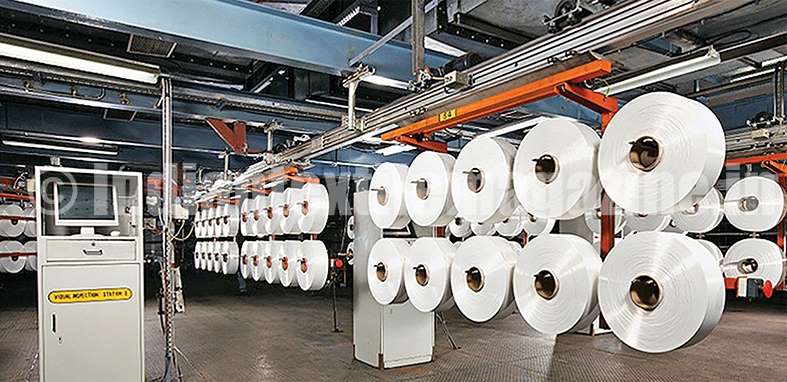
India's polyester industry, a significant contributor to the nation's textile sector, is passing through a complex landscape with fluctuating raw material prices, a growing domestic demand, and reliance on imports to bridge the supply gap.
Domestic demand
India's burgeoning middle class and rising disposable incomes have resulted in consistent demand growth for polyester products. This translates into a robust appetite for MEG (mono-ethylene glycol) and PTA (purified terephthalic acid), the key raw materials for polyester production, in India. While precise figures for domestic demand by volume are challenging to obtain, industry estimates suggest a steady annual growth rate of 6-8 per cent in recent years. This growth is driven by increased consumption of polyester fibers in apparel, home textiles, and industrial applications.
Domestic production and supply
Despite being a major polyester producer, India's domestic production of MEG and PTA falls short of meeting the surging demand. Reliance Industries (RIL) dominates the domestic production landscape, with a significant share of the market. However, other players like JBF Petrochemicals and MCPI also contribute to the supply chain.
|
Year |
MEG Production |
PTA Production |
|
2021 |
1,200 |
3,500 |
|
2022 |
1,300 |
3,800 |
|
2023 |
1,400 |
4,100 |
Source: Industry estimates and company reports
The deficit between domestic production and demand necessitates significant imports of MEG and PTA. India primarily imports these raw materials from countries like China, Taiwan, South Korea, and the Middle East.
Table: Estimated MEG and PTA imports (in metric tons)
|
Year |
MEG imports |
PTA imports |
|
2021 |
800 |
1,000 |
|
2022 |
900 |
1,200 |
|
2023 |
1,000 |
1,400 |
Price disparity
The price gap between imported and domestically produced MEG and PTA is a critical factor influencing the industry's profitability. While domestic prices are often influenced by local market dynamics and government policies, import prices are subject to global supply and demand forces, currency fluctuations, and freight costs.
Table: Average prices in Rs
|
Raw material |
Domestic price |
Import price |
|
MEG |
55-60 |
50-55 |
|
PTA |
80-85 |
75-80 |
This price difference, though seemingly small, can significantly impact the margins of polyester manufacturers, especially in a competitive market.
The polyester industry faces several challenges like volatile crude oil prices (which impact raw material costs), fluctuating import prices, and logistical bottlenecks. However, the government's focus on promoting domestic manufacturing and initiatives like the Production Linked Incentive (PLI) scheme offer hope. These measures are expected to boost domestic production and reduce reliance on imports in the long run.
Overall, the MEG and PTA scenario in India is mix of domestic production, imports, and price fluctuations. While the industry currently relies on imports to meet its raw material needs, efforts to boost domestic production are underway. The success of these initiatives will be crucial in determining the future trajectory of India's polyester industry.
Record global fiber production surpasses expectations, sustainability remains a concerns

Global fiber production increased to unprecedented levels in 2023, reaching a historic peak of 124 million tons, marking a 7per cent increase from the previous year reveals Textile Exchange's latest Materials Market Report. This growth indicates a doubling of production since 2000, with projections suggesting a further rise to 160 million tons by 2030.
Dominance of synthetics raises sustainability concerns
Virgin fossil-based synthetics, notably polyester, continue to dominate the market with a staggering 60.5per cent share, amounting to 75 million tons in 2023 alone. This dominance underscores concerns over the environmental impact of non-renewable resources and their implications for sustainability goals.
Table: Global fiber production in 2023
|
Fiber type |
Production (mn tons) |
Market share in % |
Notes |
|
Virgin Fossil-Based Synthetics |
75 |
60.5 |
Polyester: 57% |
|
Plant-Based Fibers |
31 |
25 |
Cotton: 20% |
|
Manmade Cellulosic Fibers (MMCF) |
7.9 |
6.4 |
|
|
Animal-Based Fibers |
1.3 |
1 |
Certified mohair & cashmere: 47% market share each |
|
Recycled Fibers |
9.8 |
7.9 |
Recycled polyester: 12.5% market share |
|
Total |
124 |
100 |
The table shows despite growing calls for sustainability, recycled fibers faced setbacks in market penetration. Recycled polyester, for instance, saw its market share dip to 12.5per cent, highlighting the economic challenges posed by cheaper virgin synthetics and current limitations in recycling technologies.
While cotton production experienced a slight decline, sustainable practices maintained a stable 29per cent share of the market. Conversely, certified wool, mohair, and cashmere demonstrated positive growth, reflecting consumer preference for responsibly sourced animal-based fibers.
Emerging trends in Manmade Cellulosic Fibers
Manmade cellulosic fibers (MMCF) showed promising growth, with 6.4per cent of the market share in 2023. This trend signals a potential shift towards more sustainable alternatives within the fiber industry.
There are several reasons for this shift. Lower price of virgin synthetics compared to recycled alternatives and natural fibers remains a significant barrier to sustainable sourcing. Then there are technological limitations as current recycling technologies are not advanced enough to handle the complexities of textile-to-textile recycling at scale, hindering the growth of recycled fiber market.
While consumer awareness of sustainability is growing, it hasn't translated into widespread demand for eco-friendly products that can incentivize large-scale shifts in production practices. And there is a lack of policy support. Policies and regulations that incentivize sustainable fiber production and recycling are crucial but currently lacking in many regions.
Industry experts emphasize the urgent need for transformative action. Claire Bergkamp, CEO, Textile Exchange, underscores the critical gap between sustainability aspirations and current industry practices. The report serves as a clarion call for intensified efforts in textile-to-textile recycling, technological innovation, policy support, and consumer education to drive meaningful change.
The 2023 Materials Market Report paints a complex picture of the global fiber landscape, highlighting both progress and challenges. As the industry navigates towards a more sustainable future, overcoming barriers to recycled fiber adoption and supporting transitions to preferred materials will be pivotal in mitigating environmental impact and meeting climate targets.