FW
Bangladesh-based brand Trendz unveils new Eid collection
Bangladesh-based fashion brand, Trendz has unveiled its eagerly anticipated Eid collection.
Renowned for its contemporary apparel, Trendz captures the essence of youth fashion while incorporating global trends, setting itself apart in the country's fashion landscape.
With a keen eye on the seasons and cultural festivities, Trendz consistently delivers designs that resonate with the vibrant spirit of Bangladeshi youth. The brand’s new Eid collection seamlessly blends seasonal elements, climate considerations, and the latest fashion trends, promising a truly captivating range.
Crafted with precision using state-of-the-art machinery, Trendz offers an exclusive range for both men and women. From traditional Panjabis to formal and casual shirts, trousers, t-shirts, and fusion tops, every garment reflects meticulous attention to detail and a commitment to staying ahead of the curve.
For men, the collection boasts a versatile array of formal attire suitable for both office wear and social gatherings. Meanwhile, casual outfits feature trendy designs and vibrant hues, appealing to the fashion sensibilities of the younger demographic.
For women, color takes center stage, with a palette carefully curated to complement seasonal changes. From crisp whites to bold reds and elegant blacks, Trendz offers a spectrum of choices designed to dazzle.
Embellishments such as Karchupi and machine embroidery add an extra layer of sophistication, elevating each garment to a work of art. Innovatively designed Panjabis and contemporary silhouettes crafted from premium fabrics are sure to capture the imaginations of fashion-forward individuals.
India’s textile exports surge by 19.54% Y-o-Y in Feb’24: CITI
In Feb 2024, India’s textile exports grew by 19.54 per cent Y-o-Y while apparel exports surged by 4.88 per cent Y-o-Y during the same timeframe.
As per data released by the Confederation of Indian Textile Industry (CITI), cumulative exports of textiles and apparel by India increased by 12.49 cent Y-o-Y during Feb 2024 while exports of cotton yarn, fabrics and made-ups grew by 17 per cent Y-o-Y in February 2024.
Over 11 months, exports of these products surged by 6.7 per cent compared to the corresponding period in the previous year.
However, the overall textile exports by India from Apr’23 to Feb ‘24 grew by 1.75 per cent Y-o-Y, while apparel exports recorded a notable decline of 11.42 per cent during the same timeframe.
The combined exports of textiles and apparel during this period declined by 4.25 per cent compared to the corresponding period in the previous fiscal year.
Industry experts attribute this positive trajectory in cotton yarn and fabric exports to India’s competitive cotton prices throughout the current financial year, which have bolstered demand in international markets.
The surge in demand, particularly from countries like Bangladesh and China, has driven this growth.
Conversely, the apparel segment has faced challenges, experiencing a decline primarily due to heightened input costs and subdued demand in various countries amidst soaring inflation.
Bharat Chhajer, Former Chairman, Powerloom Development and Export Promotion Council (PDEXCIL), says, the ongoing conflict between Russia and Ukraine, coupled with the Red Sea crisis, has compounded the situation, resulting in increased business costs and pricing pressures. Moreover, stiff competition from nations like Vietnam and Bangladesh, coupled with the reduction in cotton prices, has decreased the value of apparel exports from India.
Athleisure boom fuels sports inspired fashion evolution

The sports inspired clothing market is witnessing a transformation as it merges the worlds of athletics and fashion. As per study by Persistence Market Research, the global sports inspired clothing market is expected to grow at a CAGR of 5.3 per cent from $315.03 billion in 2023, to $452.2 billion by the end of 2030.
This dynamic segment within the fashion industry offers consumers a blend of performance features and fashion-forward designs, catering to the growing demand for comfortable and versatile attire suitable for both active pursuits and everyday wear.
Growth triggers
Athleisure’s popularity: The rising preference for athleisure and casual wear is a catalyst for expansion of the sports-inspired clothing market. Consumers seek comfort and style, driving the demand for apparel that seamlessly transitions from the gym to daily activities.
Collaborations and innovation: Partnerships between sportswear brands, fashion designers, and celebrities drive market growth and product innovation. Limited-edition collections and exclusive releases combining athletic performance with fashion aesthetics capture consumer attention and loyalty.
Textile technology advancements: Investments in textile technology and sustainable materials shape market dynamics. Performance fabrics with moisture-wicking properties and sustainable materials like recycled polyester meet consumer demand for functionality and eco-conscious fashion choices.
Redefining fashion with active lifestyle trends
The sports inspired clothing market offers opportunities to meet the demand for athleisure apparel that blends style, comfort, and performance. Brands can capitalize on this trend by offering athleisure collections featuring innovative materials and designs that appeal to consumers seeking both functionality and aesthetics.
Market trends
One major trend is athleisure combines activewear features with trendy silhouettes and streetwear aesthetics. Brands offer a range of clothing options suitable for various occasions, driving the demand for fashionable and functional sportswear.
Then there is the whole issue of endorsements and collaborations. Sports celebrities and influencers collaborate with brands to design exclusive collections, driving brand visibility and consumer engagement. These collaborations create excitement and appeal to diverse consumer segments.
However, this lucrative market also needs to combat many challenges.
Sustainability concerns, competition major challenges
The environmental impact, textile waste, and supply chain transparency pose challenges for sportswear brands. Addressing sustainability requires investments in eco-friendly materials and responsible sourcing practices.
Moreover, the market is highly competitive, requiring brands to differentiate through innovation and customer experience. Unique brand identities, personalized shopping experiences, and digital marketing are essential for maintaining relevance.
The way forward in this highly diverse and competitive market is for manufacturers to invest in innovative materials and sustainable manufacturing processes. Recycled polyester and bio-based fabrics offer eco-friendly alternatives, promoting circular fashion principles.
Brands need to leverage e-commerce platforms and digital technologies to enhance customer engagement. Integration with social commerce and AR technologies will drive online sales and brand loyalty.
To sum up, the sports inspired clothing market continues to evolve, driven by the convergence of athletics and fashion. With the popularity of athleisure and collaborations between brands and influencers, the market offers opportunities for innovation and sustainability. However, challenges such as sustainability and competition necessitate continuous adaptation and differentiation to meet consumer demands in this dynamic industry.
Euratex: EU unveils 'Textiles of the Future' partnership
Amidst the EU Research and Innovation Days, the European Commission has introduced nine new co-funded and co-programmed partnerships, notably including ‘Textiles of the Future’.
These collaborations will anchor the Horizon Europe Strategic Plan 2025-2027, aiming to propel the green and digital transition while fortifying Europe's resilience, competitiveness, inclusivity, and democracy.
Euratex, having pursued such a partnership diligently, emphasizes the pivotal role of innovation in executing the EU Strategy for Sustainable and Circular Textiles. The Commission's decision is lauded as timely support, essential for sustaining competitiveness among the EU's 200,000 textile enterprises.
Dirk Vantyghem, Director General of Euratex, underscores the symbiotic relationship between sustainability and competitiveness, hailing the Horizon Europe Partnership as indispensable for fostering global leadership in sustainable textile production.
The management of the Textiles of the Future Partnership will be overseen by the European Technology Platform for the Future of Textiles and Clothing (ETP). ETP's Secretary General, Lutz Walter, emphasizes the strategic significance of this partnership in propelling Europe's ascendancy in textile research, technology, and education, inviting engagement from all stakeholders to ensure its success.
Introducing TCO 21XL: World's first 12-head comber
Spinning companies worldwide are buzzing with excitement as the new TCO 21XL comber promises a staggering 50 per cent increase in productivity. The machine's remarkable performance has been confirmed by real-world results, with notable success stories emerging from spinning giant Bakan Tex in Uzbekistan.
Bakan Tex, a leading player in the industry, has already experienced firsthand the transformative power of the TCO 21XL. With an annual production of 14,500 tons of combed cotton yarn, Bakan Tex has embraced advanced technologies to stay ahead. General Manager Sekar praises the machine's exceptional production and quality data, expressing eagerness about its potential to elevate their business.
The TCO 21XL's impact isn't limited to Uzbekistan; trials in Turkey have underscored its ability to boost productivity without compromising quality. Operating with Uzbek cotton as raw material, the machine demonstrated superior performance in ring spinning, particularly with a yarn count of Ne 30.
Beyond performance, the TCO 21XL offers practical advantages, requiring 25 per cent less space for the same number of combing heads. This reduction translates to lower construction and operational costs, complemented by innovative features like the Online Noil Monitoring function, which enhances efficiency by detecting variations in noil automatically.
With its proven drive technologies ensuring uniform results across all combing heads, the TCO 21XL stands poised to redefine industry standards, delivering unparalleled productivity and quality to spinning companies worldwide.
Archroma and Artistic Milliners team up for sustainable denim revolution
Archroma, a frontrunner in specialty chemicals for sustainable solutions, has forged a strategic alliance with Artistic Milliners, a prominent denim fabric manufacturer. This partnership signals a paradigm shift towards resource-efficient practices and heightened compliance standards in the denim industry.
At the core of the collaboration is the establishment of a comprehensive training platform at the Archroma Center of Excellence in Karachi. This platform will not only provide Artistic Milliners' employees with essential training on compliance and safety standards but also disseminate Archroma's expertise in water and energy conservation—a critical need in denim production.
Moreover, the partnership entails the sharing of cutting-edge research in denim technology, aiming to develop innovative and sustainable solutions that will enhance both local and global denim markets.
Mujtaba Rahim, CEO of Archroma, emphasized the transformative potential of the collaboration, stating, "This partnership embodies our commitment to delivering sustainable solutions while driving market innovation. Together, we aim to set new benchmarks for sustainability in the denim industry."
Echoing this sentiment, Faisal Aziz, Director Operations at Artistic Milliners, expressed enthusiasm for the collaboration's potential to drive significant advancements in denim standards.
The alliance between Archroma and Artistic Milliners underscores a shared vision for a more sustainable future in denim production, setting a precedent for collaboration and innovation in the industry.
Fashion for Good welcomes ten innovators to 2024 program
Fashion for Good's 2024 program unveils ten cutting-edge innovators poised to revolutionize the fashion industry, emphasizing sustainability and technological advancement. With a strategic focus on pioneering footwear materials, recycling technologies, and man-made cellulosics, the cohort represents a pivotal step towards embedding innovation into fashion's DNA.
The carefully selected innovators, including Algreen Ltd, Balena, and Epoch Biodesign, offer alternative materials derived from algae, biodegradable polymers for footwear, and enzymatic recycling of textile waste. Fibre52 introduces bio-based solutions to traditional dye processes, while Gencrest BioProducts Pvt Ltd converts agricultural residues into textile-grade fibers using enzymatic technology.
HeiQ AeoniQ presents continuous cellulose filament yarn with enhanced tensile properties, aligning with Fashion for Good's mission to promote sustainable material development. Nanollose's Nullarbor Lyocell stands out for its microbial cellulose-based production process, contributing to the program's diverse portfolio.
Regeneley pioneers advanced shoe sole recycling, while Samsara Eco and SEFF focus on enzymatic recycling and patented fabric production processes, respectively. Each innovator receives tailored support from Fashion for Good, fostering industry partnerships and validating their technologies.
Katrin Ley, Managing Director of Fashion for Good, expresses excitement for the cohort, emphasizing their commitment to technological integration within the fashion sector. As the industry continues its journey towards sustainability, these innovators represent a beacon of hope, driving impactful change through their solutions.
Modest fashion Russian designer makes a statement at fashion week in India
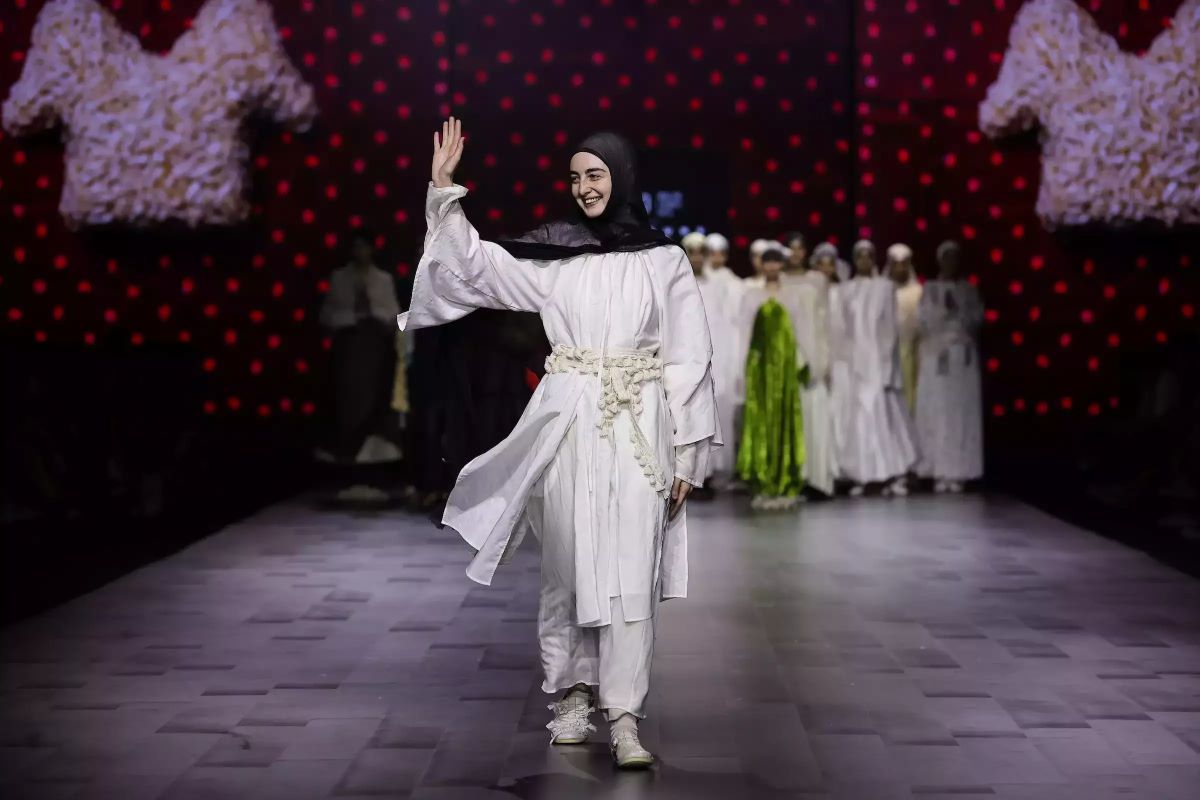
With the courtesy of the Fashion Design Council of India's (FDCI) international designer initiative, "Measure”, Lakme Fashion Week stage witnessed a groundbreaking showcase on Day 4." Hailing from the Republic of Dagestan, Russia, designer Zainab Saidulaeva, captivated the audience with her collection titled "TOi."
Dagestani heritage meets modern fashion on the runway
Saidulaeva's collection served as a bridge between centuries, drawing inspiration from the rich tapestry of Dagestani wedding customs and historical attire. This unique blend of tradition and modern design translated into exquisite pieces that incorporated layering, rich textures, and a captivating play on black and white tones using luxurious silks. The collection wasn't just about fashion; it was a celebration of Dagestani culture, with many models gracefully adorned in traditional headwear.
Measure: A rising star in Modest Fashion
Beyond "TOi," Saidulaeva's label, Measure, is making waves in the world of modest fashion. The brand, known for its focus on cultural harmony and a balance between heritage and contemporary style, has already garnered significant recognition. Measure boasts its own multi-brand concept store, "Others," in Moscow, and has graced the prestigious Moscow Fashion Week runways. Their designs have also been featured in prominent global fashion publications.
"A mesmerizing journey into the heart of culture"
Saidulaeva expressed her delight at showcasing "TOi" at Lakme Fashion Week, highlighting her inspiration from Dagestan's rich customs and garments. She emphasized the beauty of multi-layered silhouettes and the versatility of silk in her creations.
FDCI fosters global collaboration
Sunil Sethi, Chairman of FDCI, echoed the sentiment of a remarkable convergence. He lauded the participation of Measure in this international initiative, acknowledging their valuable contribution to pushing the boundaries of fashion. The Lakme Fashion Week presentation marked a significant moment, not just for Saidulaeva and Measure, but also for the growing prominence of modest fashion on a global scale.
Infinited Fiber Company concludes €40 million series B financing round
A Finnish company specialising in the production of recycled textile fibers, Infinited Fiber Company has successfully concluded a significant €40 million series B financing round. This funding is pivotal for the company as it aims to expand the production of its innovative Infinna fiber, which is derived from cotton-rich and cellulose-containing waste materials.
Demonstrating their commitment to sustainability, notable fashion brands joined the funding round as new investors. Some of these included, Inditex Group, the parent company of renowned brands like Zara, and TTY Management, a private asset management firm owned by Tadashi Yanai, the founder and president of Fast Retailing, which includes brands such as Uniqlo and Comptoir des Cotonniers.
Additionally, two prominent outdoor and sports clothing producers, Youngone and Goldwin, participated in the second part of the financing round, contributing to a total raise of €27 million for Infinited.
The initial phase of the financing round was completed in September 2023, attracting investments from existing backers such as H&M Group, Adidas, Bestseller, and Zalando. Following the conclusion of the second part of the round, major shareholders in Infinited now include Inditex, TTY Management, and H&M Group.
Falk Müller-Veerse, Partner, Bryan, Garnier & Co who spearheaded the financing round, emphasised the significance of this deal against the backdrop of impending changes in the fashion and textile industry. He pointed out, with the introduction of new European regulations the demand for sustainable fibers in Europe is projected to triple by 2030.
Bryan, Garnier & Co. led the financial transaction, with analysts foreseeing a substantial increase in global demand for sustainable textiles by 2030, estimating the addressable core market to be approximately €66 billion.
Developed at its Espoo headquarters, Infinited Fiber's solution revolves around chemical recycling. By utilising textile waste and cellulose-rich materials like paper, board, and certain agricultural residues, the company transforms them into 100 per cent circular textile fibers that mimic the look and feel of cotton.
The quality and market potential of these fibers have been validated through long-term purchase agreements, with Inditex alone committing to a contract exceeding €100 million.
Perspective on China’s textiles & apparel sector, the challenges and way ahead
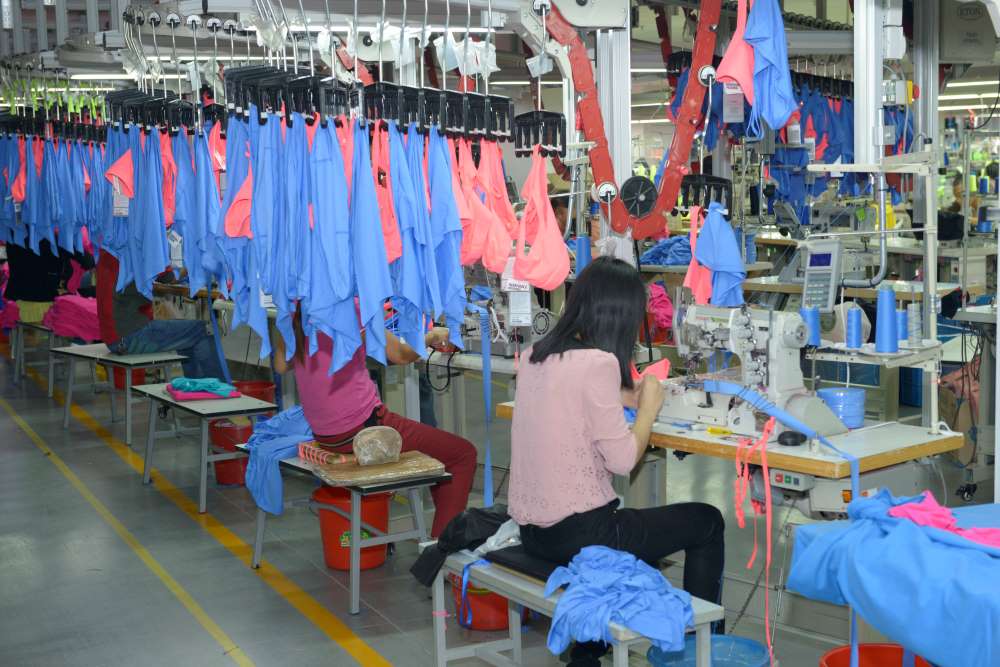
After a strong year in 2022, China's fashion industry suffered in 2023 due to weak domestic consumption. This is a double blow for China, which has been shifting its textile industry focus from exports to the domestic market in recent years. The country’s textile and apparel industry is facing several headwinds especially in the export market.
Challenges in the export market
Increased competition: Chinese manufacturers are facing more and more competition from each other domestically, as well as from countries like Vietnam. This is due to a combination of factors, including rising labor costs in China and trade tensions between China and the United States. This competition extends to raw materials like cotton, with almost all Chinese cotton coming from Xinjiang, a region facing controversy over alleged forced labor practices.
Rising shipping costs: The ongoing Red Sea crisis has led to higher shipping costs for Chinese companies exporting to Europe. While the impact is less severe than during the pandemic, it still adds an additional burden to exporters.
Shein's disruption: The rise of Shein, a major online fashion retailer known for its low-cost clothing, has captured market share from traditional Chinese manufacturers. While Shein's focus on small and medium-sized runs differs from traditional manufacturing processes, it raises concerns about the perception of Chinese-made clothing.
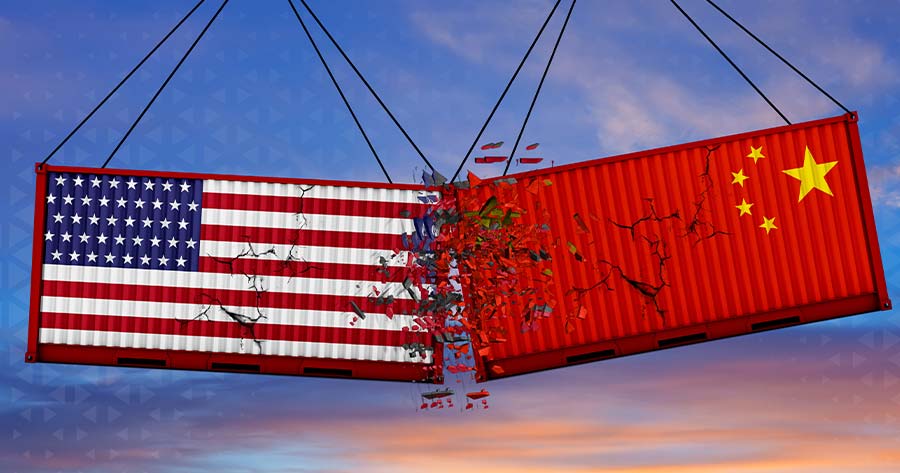
Trade tensions: The US-China trade war over allegations of forced labor in Xinjiang, a major cotton-producing region in China, have led to boycotts of Xinjiang cotton and concerns about the ethical sourcing of materials.
However, the Chinese government is prioritizing industrial development, allocating funds to support manufacturing and technological innovation to manage the challenges. This shift in focus away from the struggling real estate sector could benefit the textile industry. Also, Chinese manufacturers are now focusing on new markets. China is strengthening trade ties with Russia and other emerging markets, which could help offset some of the decline in exports to Western countries.
Trends that emerged at Intertextile Shanghai Apparel Fabrics
Interestingly, the just concluded Intertextile Shanghai Apparel Fabrics, threw up some interesting trends on the Chinese market. It highlighted, the sportswear sector is a bright spot in the Chinese textile and apparel industry, with growing demand for functional outdoor and sportswear fabrics . This trend is reflected in the increased focus on sportswear fabrics at trade fairs like Intertextile. Also, different Chinese cities are competing with each other to attract investment in the textile industry, with some regions specializing in certain products.
In short, the Chinese textile and apparel industry is facing a number of challenges, both domestically and in the export market. However, the government is taking steps to support the industry, and there are some positive trends, such as the growth in sportswear. The future of the industry will likely depend on China's ability to address these challenges and adapt to changing market conditions.