FW
India-UK FTA: Weaving a brighter future for textiles and apparel

India and the United Kingdom are in the final stages of negotiating a Free Trade Agreement (FTA), with the textile and apparel sector poised for significant benefits. The deal has the potential to reshape trade flows, boost exports, and create a win-win situation for both nations. Rajeev Saxena, Joint Secretary, Ministry of Textiles opines, "The FTA will provide a level playing field to Indian textile exporters and help exports grow significantly. We are confident that the FTA will be a win-win for both India and the UK."
Current state of play
India and the UK share a long-standing trade relationship in the fashion, apparel, and textile sectors. However, existing tariffs and regulatory hurdles have somewhat constrained the full potential of this partnership. India is currently the fifth-largest apparel supplier to the UK, with exports valued at approximately $1 billion annually. The sector faces challenges due to the 10 per cent duty imposed on Indian apparel exports to the UK, putting it at a disadvantage compared to competitors like Bangladesh, which enjoys duty-free access under the Least Developed Country (LDC) scheme. As Sanjay Jain, Managing Director of TT Ltd and former Chairman of CITI points out, "The FTA with the UK is a much-needed boost for the Indian textile industry. It will level the playing field with Bangladesh and enable us to tap into the full potential of the UK market."
Table: India's apparel exports to the UK
|
Year |
Value ($ mn) |
Growth rate (%) |
|
2019 |
950 |
3.2 |
|
2020 |
820 |
-13.7 |
|
2021 |
1050 |
27.4 |
|
2022 |
1120 |
6.7 |
The FTA is expected to eliminate tariffs currently ranging from 4 to 12 per cent on Indian textiles and apparel entering the UK market. This can significantly improve the competitiveness of Indian products, potentially leading to a $5 billion gain in exports according to the Global Trade Research Initiative (GTRI).
FTA, a catalyst for growth
Industry leaders believe the FTA can be a game-changer, unlocking new opportunities for both countries.
Tariff reduction: The elimination or substantial reduction of tariffs on textiles, apparel, and fashion products is expected to make Indian exports more competitive in the UK market.
Level playing field: The FTA is anticipated to level the playing field with competitors like Bangladesh, enabling Indian exporters to offer more competitive prices.
Rule of origin: Clear and simplified rules of origin will facilitate trade and boost investor confidence. Moreover Indian exporters can explore new product categories and cater to the evolving preferences of UK consumers.
Investment facilitation: The FTA is anticipated to encourage investments in the textile and apparel sector in both countries, leading to job creation and technology transfer.
Intellectual Property Rights: Strong IPR protection will safeguard the interests of fashion designers and brands.
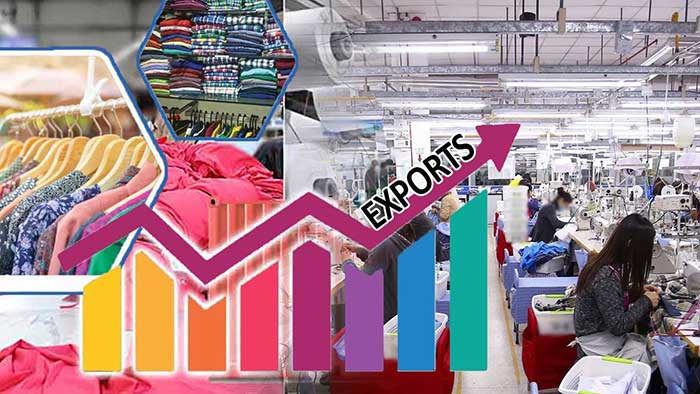
The FTA is also expected to significantly boost Indian exports of apparel, textiles, and fashion accessories to the UK.
Table: Projected growth in Indian exports post FTA
|
Product category |
Projected growth (%) |
|
Apparel |
25-30 |
|
Textiles |
20-25 |
|
Fashion Accessories |
30-35 |
In terms of product segments, India has a strong foothold in women's apparel, with a wide range of products from ethnic wear to contemporary fashion. The UK is a major market for home textiles, and Indian exporters are well-positioned to capitalize on this demand. Moreover, India's cotton production prowess can be leveraged to increase exports of cotton-based apparel and textiles. As the negotiations for the India-UK FTA progress, the fashion, apparel, and textile sector is eagerly awaiting the final agreement, which is expected to unlock new avenues for growth and prosperity.
Sensitive Fabrics by Eurojersey launches new 2026 summer collection
Sensitive Fabrics by Eurojersey has launched new 2026 summer collection titled, ‘Radiant.’ Embodying a new lifestyle marked by the ever-growing dream of living without restrictions and boundaries, the collection reflects a relaxed rhythm and a holiday spirit filled with summer light. Driven by a desire to explore and live freely, the collection embraces a nomadic way of life that easily adapts to changing habits and moves without geographical or temporal constraints. It fosters a slower, more serene, and mindful daily rhythm.
The collection showcases three key trends: Greek Breeze, Palm Royale, and Tropical Vibes. Itdelineates an exotic journey through sunny cultures and vibrant atmospheres, creating an imaginary itinerary that blends European elegance with the tropical allure of Miami and the lively energy of South America. These travel destinations, each with unique characteristics, evoke a vivid summer image. The warm, radiant light of the season permeates the colors and prints, making them bright, saturated, and visually linking different cultures and landscapes.
Renowned for their patented textile construction, Sensitive Fabrics are ideal for the swimwear industry. They offer high performance, including 50+ sun protection, breathability, and quick-drying capabilities. These fabrics are resistant to the effects of chlorinated and salt water, sunscreen, and are ten times more heat-resistant than other materials. With three-dimensional elasticity and proven shape and color retention, they result from innovative technology that creates protective and versatile swimwear.
Puma acknowledged for efforts to decarbonise operations
A report titled, ‘What Fuels Fashion?’ by Fashion Revolution, recognises Puma as the top performer among 250 major fashion brands and retailers. The report evaluatesthe companies' efforts to reduce greenhouse gas emissions, focusing on public self-disclosure about their decarbonisation strategies across their operations and supply chains.
The assessment covers five key areas: accountability, decarbonisation, energy procurement, financing decarbonisation, and just transition and advocacy. Puma received an impressive overall score of 75 per cent, placing it at the forefront of the evaluated companies. However, the report highlights a concerning trend: the fashion industry as a whole is still significantly behind in meeting climate targets and reducing emissions.
Anne-Laure Descours, Chief Sourcing Officer, Puma, emphasises, there is a need for collective action across the industry to achieve climate goals.
In 2023, Puma set new greenhouse gas reduction targets, approved by the Science Based Targets Initiative (SBTi), after achieving its previous goals seven years ahead of schedule. By 2030, the brand aims to reduce its absolute Scope 1 and 2 greenhouse gas emissions by 90 per cent from a 2017 baseline and has also committed to a 33 per cent reduction in absolute Scope 3 emissions from its supply chain and logistics compared to 2017 levels.
Luxury brand Salvatore Ferragamo reports 41% decline in profit during H1, FY24
Renowned Italian luxury brand, Salvatore Ferragamo experienced a 41 per cent decline in operating profit during H1, FY24. This decline reflects a challenging economic environment and weakened consumer demand across all major regions.
The company's EBIT reached €28 million ($30.2 million) in the first half of the year, which, although a significant drop, was better than expected. Analysts had anticipated a sharper decline to €20 million, as reported by Italian broker Equita. This beat suggests that while the company faced headwinds, it managed to maintain a level of profitability beyond market expectations.
The group's overall revenues fell by 6 per cent at constant exchange rates in the second quarter. This decline was driven by various factors, including the ongoing challenges in the global luxury market and specific regional issues.
The company faced considerable difficulties in the Asia Pacific region, which has traditionally been a strong market for luxury goods. The consumer environment in this area was particularly challenging, leading to a notable decline in sales. This region's performance significantly impacted the company's overall financial results.
While Asia Pacific struggled, there were positive trends in other parts of the world. However, these positive trends were not sufficient to counterbalance the declines experienced in the Asia Pacific.
Marco Gobbetti, CEO, says, despite challenges, the company remains focused on navigating the tough market conditions and leveraging its brand's strength and heritage to achieve long-term growth.
Brands fail to outline plans for emissions reduction in supply chains: Report
A recent report titled What Fuels Fashion?, by Fashion Revolution indicates, major fashion brands including DKNY, Tom Ford and Reebok have failed to outline plans to reduce carbon emission emissions in their supply chain.
The report ranks 250 of the world's largest fashion brands and retailers, each with a turnover of $400 million or more. It evaluates these brands based on 70 sustainability criteria, such as emissions targets, supply chain transparency, and the use of renewable energy in factories. As per the report, only four out of 250 brands have met the emissions reduction targets set by the United Nations. While 117 brands had decarbonisation targets, only 105 disclosed updates on their progress, with 42 reporting increased scope-3 emissions compared to their baseline year.
Additionally, the report highlights that 86 per cent of companies lack a public coal phaseout target, and 94 per cent do not have a public renewable energy target. Only 43 per cent of brands are transparent about their energy sources.
Another major concern for the brands is overproduction. Almost 89 per cent of large fashion brands failed to disclose the number of garments they produce annually. The industry's impact on supply chain workers, particularly in regions prone to severe weather events, is also troubling. In countries like Bangladesh, extreme weather conditions, such as floods, pose significant risks to workers. The report notes that only 3 per cent of major brands disclose efforts to support workers affected by the climate crisis.
Maeve Galvin, Global Policy and Campaigns Director, Fashion Revolution, emphasises the potential for the fashion industry to make a positive impact. She states, by investing at least 2 per cent of their revenue into clean, renewable energy and upskilling and supporting workers, fashion could simultaneously curb the impacts of the climate crisis and reduce poverty and inequality within their supply chains.
Containers containing illegal imports aggravate textile industry in Indonesia: APSyFI
Expressing concerns over the critical condition of the domestic textile industry, Farhan, AqilSyauqi, Executive Secretary, Indonesian Filament Fiber& Yarn Producers Association (APSyFI) says, the release of 26,000 containers containing illegal imports at the port has further exacerbated the situation in Indonesia’s textile industry.
As factories continue to remain shut and thousands of employeeslaid off, Syauqi blames AirlangaaHartarto, Coordinating Minister for Economic Affairs and Sri Mulyani, Minister of Finance for the crisis. He alleges,information regarding the contents of the containers was never made public, and even the ministers responsible for trade and industry were unaware of what was inside.
The association has demanded transparency and clarity regarding the contents of the containers, emphasisingon the need for firm action by the government. The association calls for decisive measures to safeguard the domestic textile industry from the adverse impact of these illegal imports.
Indorama Ventures joins T-REX Project to facilitate transition to sustainable future
A global leader in sustainable chemicals, Indorama Ventures Public Company has joined the innovative T-REX (Textile Recycling Excellence) Project. This ambitious initiative aims to establish a harmonised blueprint across the European Union for the closed-loop sorting and recycling of household textile waste, facilitating the fashion industry's transition towards a circular and sustainable future. By uniting key stakeholders across the entire value chain, the T-REX Project positions itself as a frontrunner in sustainable innovation.
As the designated spinning partner, Indorama Ventures will process chemically recycled feedstock into polyester yarns and fibers through the extrusion process, ensuring the removal of impurities. This role aligns with the company's broader goals of promoting the circular economy and advancing the circular fashion industry through PET recycling and the supply of recycled materials. It underscores Indorama Ventures' strong commitment to sustainability.
Diego Boeri, Executive President-Fiber Business, Indorama Ventures, says, utilisingcircular feedstock across the value chain to help partners achieve their sustainability goals, Indorama Ventures plans to leverage its technical expertise to boost textile-to-textile recycling within the T-REX Project.
Funded by the EU, The T-REX Project aims to create a unified system for post-consumer textile waste recycling in Europe. It brings together a consortium of 13 major players from across the value chain, alongside research institutes, to transform end-of-life textiles from waste into valuable feedstock. The project's goal is to develop new business models that can be scaled up, ultimately making a significant impact on the sustainability of the textile industry.
RSWM plans Rs 730-crore production unit in Jammu & Kashmir
A prominent player in the textile industry, RSWM plans to set up a new production unit in Jammu & Kashmir with an investment of Rs 730 crore. Spanning 32 acre, the upcoming facility will expand the region's industrial landscape and contribute to its economic development.
To be operational within the next 18-24 months, the new production facility will manufacture a wide range of textile products, leveraging advanced technology and machinery to ensure high-quality output. The plant will include state-of-the-art infrastructure, adhering to international standards and sustainability practices.
One of the key highlights of this project is its potential to create employment opportunities for around 3,000 individuals. This will not only provide job prospects for the local population but also enhance skill development in the region. The new unit will employ a diverse workforce, including skilled technicians, engineers, and administrative staff, contributing to the socio-economic upliftment of the area.
RSWM's decision to invest in Jammu & Kashmir underscores its commitment to foster industrial growth and supporting the government's initiatives to promote investment in the region. The company's move aligns with broader efforts to stimulate economic activity, attract investment, and develop the region's infrastructure. By setting up this facility, RSWM aims to strengthen its market position, expand its product portfolio, and meet the growing demand for textiles in both domestic and international markets.
Unrest over quota systems leads to $800 million loss for the Bangladesh garment sector
The recent unrest over the quota reform movement has severely impacted Bangladesh's garment sector, leading to significant financial losses. Industry associations estimate that the garment and textile sector suffered losses of approximately $800 million over five days due to disruptions. Furthermore, the communication blackout during this period resulted in an estimated $4 billion loss in orders.
The unrest began on July 17 when mobile internet services were suspended following violence and clashes during a "complete shutdown" called by BoishommoBirodhiChhatraAndolon, a platform advocating for quota reform in government job recruitment. The situation escalated, leading to a shutdown of broadband services on July 18, the declaration of a general holiday, and the imposition of indefinite curfews, resulting in the closure of all industrial establishments.
Operations resumed on July 24, but the damage was already done. Mohammad Hatem, Executive President, Bangladesh Knitwear Manufacturers and Exporters Association (BKMEA), reported, the sector lost approximately $4 billion worth of orders to competitors due to the inability to communicate with buyers during the blackout.
To mitigate these losses, garment manufacturers have requested a one-year loan at a 2 percent interest rate and appealed to the finance minister and Bangladesh Bank to suspend loan installments and interest payments for the next six months. Hatem noted, currently 80 percent of garment sector owners are in critical condition and without government intervention, many factories risk defaulting on loans and closing.
SM Mannan Kochi, President, Bangladesh Garment Manufacturers and Exporters Association (BGMEA), estimates, the garment export sector incurred losses of Tk 11,050 crore, with the production sector alone losing Tk 7,400 crore. The washing and linkage sectors faced losses of approximately Tk 3,000 crore. The supply chain collapse left workers without wages, and interest on bank loans will still need to be paid, exacerbating the situation.
In response, Khalid Mahmud Chowdhury, State Minister announced the waiver of delay fees on imports and exports for the period when port services were halted, aiming to provide some relief to businesses.
Kontoor Brands exceeds Q2 expectations and raises 2024 outlook
Kontoor Brands, the global lifestyle apparel company known for its Wrangler and Lee brands, has announced impressive financial results for the second quarter of 2024, exceeding market expectations. Despite a slight decline in overall revenue, key financial indicators showed significant improvement, driving the company's decision to raise its outlook for the rest of the year.
Kontoor reported $607 million in revenue for the quarter, a 1 per cent decrease from the previous year. This decline was mainly due to inventory management actions by retailers in the US and a reduction in seasonal product sales. However, growth in direct-to-consumer sales helped offset these decreases. US revenue stood at $496 million, also down by 1 per cent, while international revenue was $111 million, marking a 6 per cent decline (5 per cent in constant currency).
The Wrangler brand saw a 1 per cent increase in global revenue, reaching $429 million. In the US, Wrangler's revenue remained flat, with a 10 per cent growth in direct-to-consumer sales balancing out a slight decline in wholesale. Internationally, Wrangler's revenue grew by 7 per cent, driven by significant gains in direct-to-consumer and wholesale segments.
Conversely, the Lee brand experienced a 7 per cent drop in global revenue to $175 million, attributed to reduced shipments in the US wholesale channel and declines in international markets.
Kontoor's gross margin increased by 410 basis points to 44.7 per cent, reflecting benefits from lower product costs, improved product mix, and supply chain efficiencies. The company reported an operating income of $75 million, with adjusted operating income up by 10 per cent to $80 million. Adjusted earnings per share (EPS) rose by 27 per cent to $0.98.
Kontoor ended the quarter with $224 million in cash and equivalents and $750 million in long-term debt. Inventory levels decreased by 22 per cent compared to the previous year. The company returned $53 million to shareholders in the second quarter, bringing the year-to-date total to $101 million.
CEO Scott Baxter expressed confidence in the company's performance, raising the full-year outlook based on better-than-expected Q2 results. Kontoor now expects revenue between $2.57 billion and $2.63 billion. Adjusted gross margin is projected to be approximately 44.8 per cent, with adjusted operating income at the higher end of the $377 to $387 million range. Adjusted EPS is expected to be around $4.80.
Kontoor is making strategic investments to support brand growth and market expansion, anticipating significant revenue growth and cash generation in the latter half of the year.
Scott Baxter, CEO of Kontoor Brands, is optimistic about the second half of the year, as the company’s improving fundamentals provide opportunities for long-term value creation. Kontoor remains committed to delivering shareholder value while navigating the current economic landscape.