FW
Malaysian exports to Europe set to rise
Malaysia’s apparel exports to Europe are likely to increase in 2022, after registering a downward trend in the previous years.
It exported apparel worth $180.083 million to Europe in the first nine months of 2022 and the figure is expected to cross $225 million for the entire 2022. Malaysia had shipped apparel worth $193.685 million in 2021 to the continent. Exports to Europe witnessed a downward trend since 2017 when they were noted at $278.209 million. The exports peaked at $22.823 million in May 2022 and bottomed out at $15.886 million in September 2022.
In terms of value, the trousers and shorts category was the largest within apparel with 13 per cent of the total apparel exports. Jerseys, T-shirts, innerwear, coats, shirts, sportswear, ensembles, dresses, and nightwear were among the top ten apparel products exported from Malaysia to Europe. Accessories exports to Europe in 2021 were 17 per cent of the total exports of Malaysia.
The country’s textile and apparel industry is targeting the higher end of the global value chain with diversified production of higher value-added products. The industry has also implemented the latest automation and technology in its manufacturing and distribution, while actively seeking business collaboration with foreign companies and undertaking new R&D activities to further strengthen its competitiveness in the global market.
India develops technical textile infrastructure
India will promote academic institutes and start-ups in technical textiles. The institutes will be both public and private. The guidelines for promoting start-ups in technical textiles are under formulation and are expected to release soon.
The aim basically is moving toward increasing India’s market share in the technical textile industry. The areas covered under funding include laboratory equipment and training of lab personnel, specialised training. Laboratory infrastructure funding support will depend on the eligible department, courses and criterion.
A grant for internship support in technical textiles has also been announced for students pursuing B Tech or undergraduates from various departments/specialisations. There will be a maximum of 50 interns per academic year, grant for whom will be up to Rs 20,000 per student per month (for a period of two months).
The ecosystem in technical textiles will be meant not only for the textile field but also for other disciplines of engineering like civil, mechanical, electronics, agriculture institutes, medical colleges and fashion institutes. Encouragement will be given for developing technical textiles machinery, tools, equipment and instruments.
Driven by a set of highly educated and skilled professionals, India is expected to take a huge leap in cutting-edge research, production and innovative applications related to technical textiles.
Cambodia hopeful of enhanced exports to the US
For Cambodian exporters, the US apparel market remains a major destination. Garment exports to the US from Cambodia have been rising consistently and rapidly.
Jerseys, shirts and trousers and shorts together accounted for more than half of the export value to the US in first nine months of 2022. Of this, shipment of shirts and trousers was 31 percent, and shipment of jerseys was 21 percent. For American fashion companies and importers Asian suppliers, such as Vietnam, Bangladesh, and Cambodia, as well as members of the African Growth and Opportunity Act, offer the most competitive prices.
At present, Asia accounts for more than 70 percent of US apparel imports. For US fashion companies, eight out of the top ten most-utilised sourcing destinations are Asia-based, led by China, Vietnam, Bangladesh, India and Cambodia.
However reducing the China exposure is one crucial driver of US fashion companies’ sourcing diversification strategy and around 33 percent of companies sourced less than ten percent of their apparel products from China in 2022. With the new inclination of US garment importers, the Cambodian garment industry may land more and more varied orders. Garment exports are the largest foreign exchange earner for Cambodia, accounting for almost 60 percent of the country’s total export value,
Pakistan: Import tariffs lead to higher costs
An increase in import tariffs has contributed to a rise in the cost of raw materials for textile companies in Pakistan.
High tariff rates lead to higher manufacturing costs. As a consequence, the prices of finished products increase, causing a decline in exports.Pakistan’s textile exports of textile products in the fiscal year 2021 hit a record high on an annual basis.
However, the exports dropped by 18 percent in November 2022 compared to the corresponding period last year. The textile industry is the backbone of Pakistan’s economy and is the largest manufacturing sector employing almost 38 per cent of the workforce. Textiles have a lion’s share of Pakisan’s exports and a drop in exports is bound to impact the economy. In addition the industry’s production system needs to be upgraded. The manufacturing equipment is not sophisticated and this hampers the level of production.
The drop in textile exports is a cause for Pakistan to worry since in the end it will result in unemployment and increased pressure on foreign exchange reserves.An effective approach to lessen the negative effects of the declining textile exports is to raise the productivity of the manufacturing sector, and lower the cost of the finished products by investing in new technology for the textile industry. This will make the country’s products more competitive in the world market.
Delayed refunds may wreck the Pak industry
The garment industry in Pakistan may eventually close down. So says Pakistan Readymade Garments Manufacturers and Exporters Association (PRGMEA).
Among the problems it lists are continued delays in sales tax refunds and restrictions on import of raw material by the garment industry. PRGMEA says if exporters cannot procure and purchase raw materials and other accessories to fulfill their future export orders this will ultimately cause the entire export trade to collapse. Though the central bank had officially removed restrictions on imports of raw materials, constraints still continue to haunt the garment industry, leading to a severe shortage of raw material. Several units have already slashed production. The sector is also facing a severe liquidity crunch due to delayed refunds. Exporters’ refunds payment orders were supposed to be issued in 24 hours while refunds were supposed to have been cleared within 72 hours but practically these commitments are not being fulfilled and the 72 hours have now extended to several months.
Meanwhile Pakistan’s cotton production for the year 2022-23 is estimated to fall by 43 per cent compared to the past year.The primary reason for this year’s situation is the devastating monsoon floods that damaged major cottongrowing regions. Pakistan is the fifth largest cotton producer globally but the country will need to import at least five million bales in the ongoing fiscal year to meet the demand from the textile sector.
India awards Italian companies
Knitted fabrics manufacturers Carvico and Jersey Lomellina have been awarded for their eco fabrics.
The awards were given by the India-based BSL (Brands and Sourcing Leaders)association. This is a non-profit organization which aims to boost the growth of the apparel industry in India by helping start-ups source the best raw materials. Carvico and Jersey Lomellina, based in Italy,are global leaders in the production of performance fabrics for underwear, swimwear, apparel and interior design and their collections boasts numerous eco-sustainable fabrics created through complex production processes with a really low environmental impact. The companies do a thorough research and attention when selecting the raw materials so that the garments are high-tech, high-performance, and eco-friendly.
Apparel companies are offering innovative products.Sustainability is now an integral part everyday life with consumers’ growing awareness and their stance to opt for eco-friendly products. And to sustain existing customers and lure new ones, textile and apparel companies are creating ethical garments and offering innovative products. They are also making sure that the impact is percolated till the end of the value chain and their suppliers so that no unethical practices are imbibed and followed. Using only recycled or other sustainably sourced materials significantly reduces the use of natural resources and the negative impact on the climate.
Bangladesh to host garment show
Garmentech will be held in Bangladesh, January 11 to 14, 2023. This is the perfect marketing forum to reach out to the entire cross-section of decision-makers and technical personnel in garment technology and manufacturing in the readymade garment sector of the country.
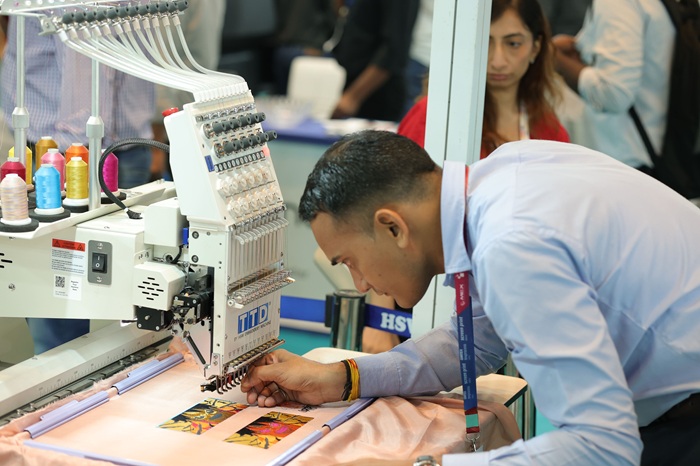
Garmentech brings global technology players under one roof showcasing cutting edge sewing, finishing, embroidery machinery and spares and allied products, thus making it a preferred choice of readymade garment manufacturers to visit and source their needs.
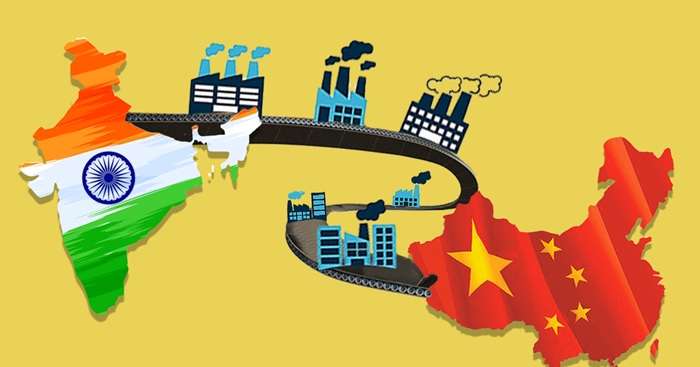
Meanwhile the readymade garment and textile sector of Bangladesh will see a year of possibilities in 2023. Buyers from western countries, especially from the US, have started to shift their orders from China as part of reducing dependency on China for geopolitical reasons.This trend is expected to continue in the upcoming year. In this case, Bangladesh can be a good alternative for western buyers. Western countries may also move out orders from Vietnam and Bangladesh will have a chance to grab them too. Especially in the last few months Bangladesh has received orders from the United States at a higher rate compared to two major suppliers-- China and Vietnam. Bangladesh's garments exports to the US have seen 54 per cent growth at the beginning of the current year, 2023.
Secondhand apparel market grows significantly
The global secondhand apparel market is growing at 14 per cent a year. The growing popularity of secondhand apparel is due to their less expensive nature and better quality. Consumers have become increasingly interested in eco-friendly clothing options.
A focus on sustainability and a higher degree of consciousness have propelled the growth of the secondhand apparel market. Product reviews and other features of e-commerce help merchants study purchase patterns and trends to create products and services that meet the needs of potential buyers. This provides useful information that retailers can use to develop effective marketing strategies.
To retain clients, numerous fashion retailers are implementing recycling initiatives and releasing new collections of clothing made from eco-friendly fibers. Increasing consumer awareness of online resale platforms and fast-growing online start-ups offering pre-owned branded and designer goods and rental ethnic wear are fostering interest in this market.Consumers are not just buying fewer non-essential items but they are also buying higher-quality clothing rather than cheap and disposable options. Customers have also transitioned from offline to online shopping options.
However the secondhand apparel market has been hampered by a labour shortage in the industry. Reduced transactions over viral transmission fears have also caused issues in the short term.
India to institute footwear, leather export awards
India may institute special awards for footwear and leather exporters who make effective use of free trade agreements.
Awardees may also be new companies, entrepreneurs, startups and those who come up with innovative ideas, enter into uncharted territory with new markets and products.
Footwear holds great potential for India. The country is working toward getting zero duty access through free trade agreements in leather goods, sportswear and footwear. About 7,000 small industries units are connected with the footwear sector which holds great significance to the economy and foreign exchange earnings of the country.Nearly 40 per cent employed in the sector are women and for every 1000 pairs that are produced or sold, 425 jobs are secured.
India is the second largest producer of footwear and leather garments. India has immense potential in the footwear sector and ethical and responsible practices like zero-waste discharge, salt-free tanning, and occupational health and safety interventionscan increase production and export ten times in the near future. Through a quality control order imports can be limited and good-quality exports can be achieved.
Strong global branding through road shows, e-platforms and global joint ventures can help the sector make a mark globally. Attention can be given to the non-leather footwear sector as well.
Odlo adopts Coats Digital solution
Odlo has increased productivity by ten per cent, optimised profit margins and enhanced team members’ motivation and earning capacity by adopting Coats Digital’s GSDCost solution.
The time taken to produce core styles has fallen by 13 per cent. Odlo has subsequently greatly improved on-time deliveries and has been able to confidently take on significantly more new order requests as a result of the GSDCost implementation.
Prior to implementing Coats Digital’s GSDCost solution, Odlo based its cost and capacity forecasts on inaccurate historical data stored in multiple Excel spreadsheets which were difficult to update in real-time across all costing, capacity planning and manufacturing teams. As a result of inaccurate standard minute values regarding cost to make production times, and poor costing and planning visibility, Odlo occasionally failed to meet on time delivery targets, which meant steep additional overhead costs and customer complaints.
Odlo, based in Norway, is a sportswear brand. The company’s manufacturing arm produces over 2.4 million pieces a year and supports a workforce of just under 500.Coats Digital is the leading digital transformation partner for the fashion supply chain, powering sustainable processes and high value insights through connected technologies, and is used in over 3,000 factories globally.
GSDCost is the international standard for establishing and optimising accurate method-time-cost benchmarks for sustainable garment cost optimisation and manufacturing excellence.