FW
NCTO outlines counter proposal to current tariff mechanism under Section 301
In a high-stakes testimony before the Office of the United States Trade Representative (USTR), Kim Glas, President and CEO, National Council of Textile Organizations (NCTO), has outlined counter proposal to the current textile mechanism proposed under the Section 301 forced labor investigations. Glas argued, if implemented without significant modification, the administration’s existing framework could inadvertently jeopardize domestic manufacturing jobs rather than securing the supply chain against exploitative labor practices.
Strengthening domestic capacity through targeted reforms
NCTO’s counter-proposal is based on three critical reforms to ensure the mechanism serves as a catalyst for domestic growth. First, the organization is pushing to exclude raw cotton from the textile mechanism, warning, its inclusion would discourage the use of US-grown fiber and further incentivize the relocation of spinning and weaving operations to Asia. Second, the council advocated for the exemption of textile machinery and specialized inputs—those currently unavailable within the US - from additional Section 301 duties to prevent penalizing domestic manufacturers who require global equipment to remain competitive. Finally, the NCTO is urging the administration to finalize an innovative incentive program that incentivizes sourcing from the Western Hemisphere, a strategy the group estimates could create over 56,000 jobs.
Protecting the US value chain against unfair competition
The core of the NCTO’s testimony rests on the assertion that forced labor creates an artificial and predatory cost advantage that displaces US producers both domestically and abroad. By leveraging trade policy to support the U.S.-Mexico-Canada Agreement (USMCA) and the CAFTA-DR corridors, the NCTO maintains that the administration can revitalize the sector. The administration now has the opportunity to take meaningful actions to defend the industry from unfair trade practices, Glas stated in her submission. As the USTR weighs these proposed actions, the textile sector remains at a crossroads where trade enforcement will either reinforce regional supply chain integrity or deepen the reliance on volatile, labor-exploitative markets.
Strengthening domestic production capacity
The National Council of Textile Organizations (NCTO) serves as the primary trade association for the U.S. textile industry, representing the entire value chain from fiber to finished sewn products. The organization focuses on trade policy advocacy, strengthening domestic manufacturing capacity, and ensuring ethical supply chain compliance in global markets.
India struggles while China gains in home textiles exports
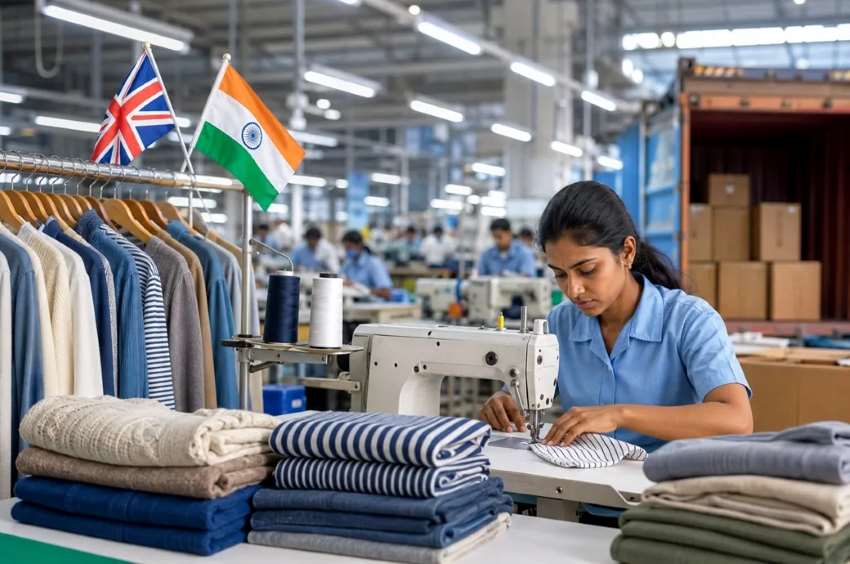
India’s home textile exports are grappling with a pronounced downturn, characterized by a 20 per cent decline in outbound shipments. While the broader Indian textile sector remains resilient with a 2.1 per cent growth reported during FY 2025–26, the home textile category - specifically bed linen, terry towels, and blankets - failed to maintain pace. This contraction highlights a widening competitive gap, as China consolidates its dominance with a 43 per cent global market share, leveraging its superior scale and supply chain integration to capture the bulk of recovering international demand.
Competitive realignment and market pressures
The decline is largely attributed to a sluggish recovery in discretionary spending across major Western markets, particularly the United States. While US imports from India have seen a relatively moderate decline compared to China’s sharper contraction in early 2026, Indian exporters are struggling to capitalize on the ‘China-plus-one’ sourcing strategy. Industry experts observe, while global buyers are diversifying, India’s inability to match China’s speed-to-market and cost-competitiveness in mass-market home textiles remains a significant hurdle.
Furthermore, currency fluctuations have masked the severity of this contraction in rupee terms, suggesting that India is losing real market share in labor-intensive categories where it historically held a pricing advantage.
Strategic shifts to premiumization
To mitigate margin erosion, domestic manufacturers are increasingly turning to value-added segments, such as organic cotton and high-performance synthetic blends. The recovery headline often masks category-specific distress, notes a trade consultant, emphasizing, volume-driven commodity exports are no longer sufficient to secure a competitive foothold. Consequently, firms are aligning with sustainability-focused trends and luxury bedding segments, which now account for a significant portion of value-added textile growth. Despite ongoing support through schemes like RoSCTL and RoDTEP, the sector’s long-term success depends on accelerating supply chain responsiveness and leveraging new preferential access provided by recent FTAs with the UK and EU to reclaim lost ground.
Balancing ancient skills with industrial upgrades
The Indian home textile industry specializes in cotton, linen, and blended bedding, bathroom linens, and floor coverings. Major players focus on exports to North America and Europe, targeting steady growth through product innovation and sustainability. Currently, the sector is balancing traditional craftsmanship with industrial upgrades to boost international competitiveness.
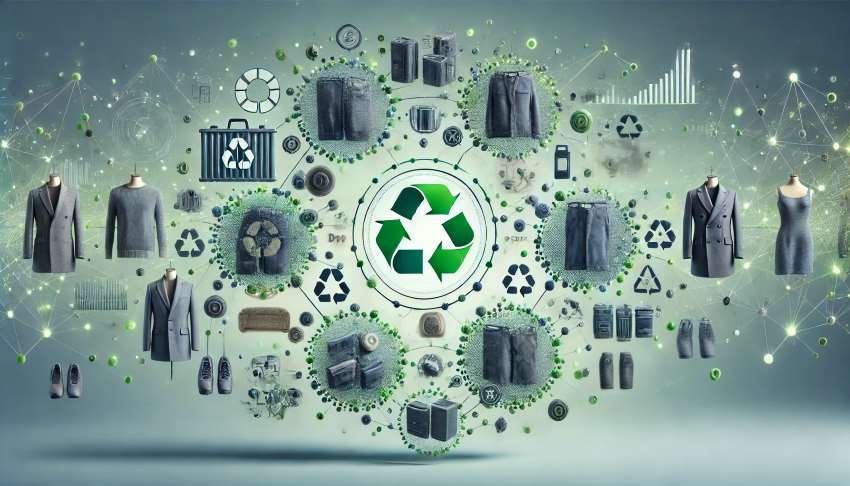
The End of Fibre Blends: Why retailers are moving toward 100% recyclable apparel

The apparel industry is entering a redesign phase as sustainability goals, regulatory pressures, and resource security unite around one central principle: material simplicity. For years, consumers were encouraged to seek out garments labeled ‘100% cotton’ or ‘100% polyester’ as a way to improve recyclability. Today, that label is becoming far more than a sustainability marker. It is being viewed as an indicator of how prepared a brand is for the next era of textile manufacturing.
While technologies capable of separating blended fabrics have advanced considerably, they remain expensive and difficult to scale. As a result, fashion companies are beginning to address the problem at its source, during product development. The move toward mono-material apparel, where garments are constructed from a single fibre family rather than a mix of cotton, polyester, elastane, and nylon, is evolving from a niche environmental initiative into a core supply-chain strategy.
For global brands facing stricter recycling requirements and mounting pressure to create circular business models, designing garments for easy recovery is becoming a commercial necessity rather than a sustainability preference.
When fibre blends become a liability
The scale of the challenge is significant. The global fashion industry generates an estimated 92 million tonnes of textile waste annually, over 85 per cent ending up in landfills or incinerators. In the European Union alone, nearly seven million tonnes of textile waste are generated every year, equivalent to approximately 16 kg per person. Yet only around 1 per cent is successfully recycled back into new clothing. The primary obstacle is fibre blending.
A typical pair of stretch jeans or performance sportswear often combines cotton, polyester, and elastane. While these combinations improve comfort and functionality, they create major complications at the end of a product’s life cycle. Mechanical recycling processes break blended fabrics into shorter fibre lengths, reducing quality and limiting reuse opportunities. Most recovered material is subsequently downcycled into industrial insulation, padding, or cleaning cloths rather than returning to apparel production.
|
Post-consumer garment waste pathways |
|
Poly-cotton blends → Chemical separation processes → High cost, limited scale |
|
100% mono-materials → Automated NIR sorting → Virgin-grade fibre-to-fibre recycling |
This challenge is becoming more and more costly as governments tighten sustainability regulations. Policies such as the European Union’s Ecodesign for Sustainable Products Regulation (ESPR) and expanding Extended Producer Responsibility (EPR) frameworks are placing greater accountability on brands for the recyclability of their products. Materials that are difficult to recover could soon carry higher compliance costs and financial liabilities.
The economics of material purity
The business case for mono-material apparel extends far beyond compliance. Modern textile sorting facilities rely on Near-Infrared (NIR) spectroscopy to identify fabric compositions at industrial scale. These systems can sort more than 50 garments per second, but they perform most efficiently when processing garments made from a single fibre type.
By eliminating complex fibre blends, manufacturers create cleaner waste streams that can move directly into advanced textile-to-textile recycling systems. This reduces the need for expensive chemical preprocessing and improves recovery yields.
The shift, however, requires innovation. Elastane and spandex have become integral to categories such as activewear, denim, and athleisure. Replacing these materials without compromising comfort requires new engineering approaches. Mechanical stretch technologies, which create elasticity through specialized yarn structures and polymer crimping techniques, are emerging as a viable alternative. For sourcing countries like India, Bangladesh, and Vietnam, this shift is driving investments in advanced yarn extrusion, finishing technologies, and precision textile manufacturing capable of delivering performance characteristics using single-origin fibre systems.
How global retailers are adapting
Few examples illustrate this transition more clearly than the initiatives being undertaken by Inditex, the parent company of Zara. Through investments in recycling technologies and partnerships with fibre innovators, the retailer is gradually increasing the share of mono-material garments across key product categories.
Table: How brands navigate domestic stock regimes
|
Supply chain |
Conventional mixed-blend program |
Advanced mono-material program |
|
Sorting Efficiency |
Manual / Multi-stage chemical assays |
Automated NIR scanning (50 garments/sec) |
|
Recycling Yield |
Low (Downcycled to insulation/wiping rags) |
High (Virgin-equivalent fiber-to-fiber spinning) |
|
Sourcing Cost Structure |
Low initial cost / High resource volatility |
Premium initial development / Stable closed loop |
|
Sourcing Risk Profile |
Exposed to 97% virgin material cost spikes |
Insulated via traceable, domestic circular contracts |
By standardizing categories such as knitwear, basics, and selected outerwear into pure lyocell or circular polyester streams, retailers can create predictable feedstock for future recycling while reducing dependence on virgin raw materials. This approach transforms discarded garments from waste into strategic inventory for future production cycles.
India positions itself for the circular textile era
India is simultaneously strengthening its role within the emerging circular textile ecosystem. The Ministry of Textiles has been supporting expansion in man-made fibre capacity to reduce reliance on imported synthetics while encouraging the development of dedicated processing zones across major manufacturing hubs in Tamil Nadu, Gujarat, and the National Capital Region.
The strategy extends beyond manufacturing. Policymakers are working to formalize textile collection networks and integrate informal waste collectors into traceable supply chains. Combined with new trade agreements that support exports to key Western markets, these efforts are positioning India as a potential supplier of circular-compliant apparel and recycled textile feedstock.
Stretch fabrics enter the circular economy
One of the most promising developments is occurring in recyclable stretch materials. The global clothing and textile recycling market is expected to grow from approximately $6.68 billion in 2026 to $9.23 billion by 2034. Within this broader market, recyclable mono-material stretch yarns are emerging as a high-growth segment.
Valued at $1.04 billion in 2026, the category is projected to reach $2.15 billion by 2036, increasing at a CAGR of 9.5 per cent. Polyester-based mono-stretch yarns currently account for 38 per cent of the market, showing recyclability is no longer limited to basic woven fabrics. Major fibre producers such as Lenzing AG, Hyosung TNC, and Unifi are focusing on textile-to-textile recycling technologies that enable true circularity rather than relying solely on recycled plastic feedstocks.
Building infrastructure for circular supply chains
The emergence of facilities such as the NCR Sustainable Textile Exchange (S-TEX) Hub highlights how recovery infrastructure is evolving alongside product design. The northern India-based facility specializes in large-scale collection, automated sorting, and preprocessing of textile waste for exporters and manufacturers.
With plans to process more than 50,000 metric tonnes annually, the hub is expanding capacity to meet growing demand for traceable, high-purity recycled feedstock. Supported by private equity investment and green financing, facilities like S-TEX demonstrate that circularity is increasingly becoming an industrial-scale business opportunity.
As regulations tighten and recycled materials become a strategic resource, the future competitiveness of fashion brands may depend less on how garments are sold and more on how effectively they are designed for recovery. In that environment, mono-material apparel is emerging as one of the most important supply-chain innovations shaping the next decade of global fashion.
US industry coalition proposes landmark trade incentive plan
In a move described as unprecedented for the sector, a unified coalition of US textile, apparel, and retail associations has submitted a formal trade incentive proposal to the Office of the United States Trade Representative (USTR). Representing the full breadth of the domestic supply chain, this rare alliance including the National Council of Textile Organizations (NCTO) and the American Apparel & Footwear Association (AAFA) - seeks to reshape regional manufacturing dynamics. The proposed mechanism allows brands to earn tariff credits by sourcing US textiles and finished apparel from Western Hemisphere Free Trade Agreement (FTA) partners, effectively providing a commercial counterweight to reliance on Asian supply chains currently under scrutiny for forced labor practices.
Incentivizing regional supply chain resilience
The initiative aims to address the volatility inherent in global sourcing by offering a ‘win-win’ framework for both domestic mills and international retailers. By enabling brands to offset Section 301 tariffs through credits linked to US-sourced inputs, the plan intends to drive billions in domestic investment and accelerate the reshoring of apparel production. Projections from the submitting groups suggest the implementation of this policy could generate over 56,000 new American manufacturing jobs and double US textile exports to the Western Hemisphere to $29 billion annually. For brands, the proposal provides a flexible pathway to manage tariff exposure while simultaneously diversifying their supplier base in a manner that aligns with tightening ESG and labor compliance standards.
Strategic shift in industrial policy
Beyond immediate tariff relief, the proposal represents a tactical transition from punitive trade measures toward a growth-oriented industrial strategy. While the USTR continues to investigate failures to enforce prohibitions on forced labor goods - with significant hearings and public comment periods concluding in July 2026 - this joint submission urges the government to adopt incentive-based trade remedies. Advocates assert, if adopted, this framework will stabilize the domestic textile sector, which faced significant headwinds throughout 2025, and solidify the Western Hemisphere as a competitive, high-value alternative to traditional manufacturing hubs.
US industry associations represent the comprehensive interests of the domestic textile and apparel sector, from fiber production to retail distribution. These groups provide strategic advocacy, regulatory analysis, and policy coordination to preserve the competitiveness of the US manufacturing base, championing regional supply chain integration and robust trade enforcement mechanisms.
Punjab targets sustainable textile processing to boost global competitiveness
The Government of Punjab is aggressively upgrading its textile value chain, placing high-tech dyeing and finishing infrastructure at the center of its latest industrial roadmap. Under the ‘Punjab Dyeing and Finishing Policy 2026,’ the state is courting both domestic and international capital to establish sustainable processing clusters near major manufacturing hubs like Ludhiana and Amritsar. This strategic intervention addresses the most fragmented segment of Punjab’s textile industry, where antiquated processing units have historically struggled to meet the stringent environmental and quality benchmarks mandated by global apparel retailers. By prioritizing common facilities such as Zero Liquid Discharge (ZLD) systems and Common Effluent Treatment Plants (CETPs), the state aims to convert its processing sector into a "green" differentiator in the northern Indian market.
Integrating digital logistics for trade efficiency
Complementing this industrial push, the state recently signed a landmark MoU with NICDC Logistics Data Services (NLDSL) on July 7, 2026. By integrating the Unified Logistics Interface Platform (ULIP) into its supply chain architecture, Punjab is digitizing the movement of textile goods to reduce operational overheads. This digital framework provides real-time visibility, enabling manufacturers to synchronize their production with global shipping schedules more effectively. The goal is to eliminate the friction that has traditionally hindered export-oriented MSMEs, noted a state commerce official, highlighting that transparent data flow is now as essential as machinery upgrades for maintaining a competitive edge in the global market.
Flexible incentives to drive large-scale investment
The processing initiative is a key pillar of the broader ‘Punjab Industrial and Business Development Policy 2026,’ which offers investors an unprecedented ‘pick-and-choose’ menu of up to 20 fiscal incentives. For textile players, this includes capital subsidies, electricity duty exemptions, and extended incentive periods reaching up to 15 years. Unlike the rigid, ‘fixed-menu’ policies typical of other Indian states, Punjab’s customizable framework allows firms to build bespoke incentive packages tailored to their specific scale and sustainability requirements.
With the state aiming to attract Rs 75,000 crore in total industrial investment this year, the focus on sustainable textile wet processing is a calculated effort to recapture value that has previously leaked to other manufacturing hubs.
Punjab serves as a pivotal hub for India’s textile industry, specializing in high-quality spinning, knitting, and garmenting. The state’s apparel ecosystem supports a vast network of MSMEs and industrial units. Currently, the government is focusing on modernizing its processing infrastructure and digitizing supply chains to accelerate export growth and ESG compliance.
Marks & Spencer elevates brand strategy with London Fashion Week debut
Marks & Spencer is set to transform its brand perception by securing a spot on the official London Fashion Week (LFW) runway schedule. Coinciding with the retailer’s centenary in the fashion sector, this milestone marks a departure from traditional high-street marketing. By presenting a curated collection of womenswear and menswear directly on a global stage, the company is reinforcing its commitment to contemporary style. This strategic move aims to solidify M&S’s reputation as a competitive fashion destination, moving beyond its historical legacy toward a modernized, trend-aware identity that appeals to a younger, more style-conscious demographic.
Shoppable spectacle as commercial driver
Breaking with the conventional luxury model where runway collections remain unavailable for months, M&S will employ a ‘see now, buy now’ framework. The showcased pieces will be accessible for immediate purchase online and in flagship stores, effectively integrating high-impact brand storytelling with instantaneous conversion. This approach mirrors the retailer’s recent high-visibility activations, including its world-first pit lane fashion show at the Silverstone British Grand Prix and a summer showcase in Ibiza, which collectively aim to connect with consumers in immersive, unexpected ways. By livestreaming the London event, M&S intends to democratize access to the runway, ensuring that its evolving design language is visible to a global audience.
Operational modernization fuels market growth
The shift toward fashion-forward positioning is underpinned by significant investments in supply chain automation and inventory management. Stuart Machin, CEO, is steering the business toward a leaner model, utilizing data-driven forecasting to minimize wastage and enhance product availability. By focusing on regular, trend-aligned product drops and strategic collaborations, the retailer has successfully improved its market share. As the company optimizes its logistics to support double-digit growth objectives, this LFW debut serves as both a cultural milestone and a commercial vehicle designed to accelerate momentum in the competitive fashion retail landscape.
Supporting sustained revenue and profit growth
Marks & Spencer is a preeminent British retailer with a century-long history in the apparel, home, and food industries. It currently focuses on digital transformation, omnichannel retail expansion, and high-quality, accessible fashion. The company is actively investing in supply chain efficiency to support sustained revenue and profit growth.
Carbon utilization gains traction in global textile supply chains
As the global apparel industry intensifies its focus on decarbonization, the industrial application of Carbon Capture and Utilization (CCU) is emerging as a structural necessity rather than a peripheral innovation. With the international output of CO2-derived products surpassing 1.5 million tons annually, the upcoming CO2-based Fuels and Chemicals Conference, slated for April 21–22, 2027, in Cologne, serves as a critical juncture for textile stakeholders. Industry participants have until November 16, 2026, to submit research abstracts that explore the commercial conversion of industrial emissions into high-performance polymers, including polyester and nylon, essential for the future of sustainable garment manufacturing.
Commercializing circular feedstocks
The transition from fossil-based inputs to capture carbon is gaining momentum, particularly under the regulatory pressure of the European Union’s Net-Zero Industry Act. Major brands are increasingly viewing CCU as a viable pathway to reconcile consumer demand for high-performance apparel with the stringent requirements of new environmental recycling mandates.
By integrating captured CO2 into the molecular structure of synthetic fibers, manufacturers are creating ‘circular-ready’ materials that do not rely on virgin petroleum. This shift is mirrored in domestic markets as well; for instance, the Indian Union Budget 2026–27 has earmarked Rs 20,000 crore to boost the domestic deployment of CCUS technologies, signaling an international alignment in industrial policy aimed at reducing the carbon footprint of emissions-intensive textile hubs.
Industrial viability and market integration
The integration of these technologies into wholesale textile sourcing is no longer theoretical. Experts suggest, the focus is moving toward scaling production systems that can effectively replace traditional chemical building blocks with renewable carbon. According to industry analysts, this technological transition is vital for retailers aiming to decouple production growth from environmental degradation. For textile manufacturers, the challenge lies in the rapid adoption of these green chemistry standards while maintaining cost parity with conventional fibers. As collaboration between materials scientists and fashion executives deepens, the 2027 Cologne forum is expected to provide the necessary benchmarks for integrating these CO2-based synthetics into global fashion supply chains.
Specialist in transition to renewable carbon cycles
The nova-Institut GmbH is a Germany-based independent research consultancy established in 1994, specializing in the transition to renewable carbon cycles. The organization guides chemical and textile manufacturers through regulatory frameworks, sustainability assessments, and raw material selection, focusing on circular biomass, direct CO2 utilization, and advanced chemical recycling strategies
Chinese menswear labels eye brand authorship at Pitti Uomo 110
The recent conclusion of Pitti Uomo 110 marks a structural transformation for Chinese apparel, moving beyond high-volume manufacturing toward high-value brand equity. By securing prime retail placement in Florence, labels like Septwolves are successfully transmuting raw textile expertise into premium market share. Market data suggests, Chinese menswear firms are now prioritizing ‘brand authorship’ to capture the lucrative European and Middle Eastern demographics, moving away from commoditized production. This shift is substantiated by a 15% increase in cross-border distribution partnerships signed during this year’s delegation compared to previous cycles, reflecting a maturing retail strategy that favors long-term brand equity over short-term export volume.
Sustainable innovation as a market driver
The emergence of plant-based dyeing techniques and advanced sustainable fiber integration, showcased prominently by brands like Kimusso and Soarin, has addressed a critical gap in Western sustainable fashion procurement. Industry analysts note that global concept stores are increasingly vetting suppliers based on circular manufacturing capabilities. For instance, the case of Swof Care’s rapid expansion into boutique channels demonstrates that European buyers are now actively seeking the high-touch customization and technical textile sophistication that this new wave of Chinese design provides. As these labels transition into Milan and Paris fashion circuits, the focus remains on embedding high-performance functional aesthetics into global retail pipelines, effectively establishing a new benchmark for competitive export growth.
The China Wave initiative
Led by the China National Garment Association, the China Wave Initiative represents a strategic repositioning of the nation’s apparel sector. Moving from its historical focus on mass fabric production, the initiative now prioritizes global retail penetration for premium labels. The association focuses on accelerating international distribution across Europe and Central Asia through high-impact fashion trade platforms. With a target of capturing premium market segments, the organization maintains a strong financial outlook, aiming to solidify its presence in winter exhibition cycles to sustain long-term commercial growth and international brand recognition.
Textile Ministry to infuse high-solutions in weaving with ‘Handloom Hackathon 2026
The Ministry of Textiles aims to infuse high-tech solutions into India’s decentralized weaving industry with the recently inaugurated ‘Handloom Hackathon 2026: Weaving Innovation. As the nation eyes a ambitious target to triple textile and apparel exports to Rs 9 lakh crore by 2030, the government is increasingly shifting focus from manual production to technology-enabled value chains. With online registration active until July 20, the initiative invites startups, design professionals, and researchers to collaborate on solving critical bottlenecks in market access and supply chain efficiency ahead of the grand finale at IIT Delhi on August 1.
Modernizing traditional value chains
Beyond preserving cultural heritage, this challenge addresses the commercial imperatives of the industry. While a major rural employment driver, the handloom sector struggles with market fragmentation and productivity lags compared to power loom-driven counterparts. Dr M Beena, Development Commissioner (Handlooms), emphasized, the hackathon is designed to foster scalable business models that integrate digital marketing and sustainable production techniques.
By leveraging incubation support at institutions like FITT, the government aims to transform traditional weaving into a competitive, export-ready segment that aligns with global demands for traceable and circular textile products. This integration is essential for ensuring that artisans move up the value chain, capturing higher margins in an increasingly digitized global fashion economy.
Boosting competitiveness with policy interventions and market programs
The Office of the Development Commissioner (Handlooms), operating under the Ministry of Textiles, serves as the apex body for the development and welfare of India's handloom weavers. It implements comprehensive policy interventions and market promotion programs to bolster competitiveness, preserve traditional heritage, and facilitate sustainable growth across both domestic and export markets.
Recycled polyester’s next growth phase will be driven by data, not fiber

For much of the last decade, recycled polyester was one of the easiest sustainability wins available to brands. Replacing virgin polyester with yarn derived from discarded plastic bottles allowed companies to reduce reliance on fossil fuels while strengthening environmental credentials. That relatively simple equation is rapidly changing. As governments tighten regulations and buyers demand greater accountability, recycled polyester (rPET) is evolving from a voluntary sustainability initiative into a highly regulated supply chain requirement. Success is no longer determined solely by manufacturing capacity or access to recycled feedstock. Increasingly, it depends on the ability to verify, track and document every stage of a product’s journey.
The global recycled polyester market reflects the scale of this transformation. According to DataM Intelligence, the market was valued at $9.76 billion in 2025 and is projected to reach $37.91 billion by 2035, growing at a compound annual growth rate (CAGR) of 14.48 per cent between 2026 and 2035. Yet stakeholders argue the next phase of growth will be shaped less by recycling infrastructure and more by digital infrastructure.
Demand rises across industries
The growth of the rPET market is being driven by mounting pressure on industries to reduce carbon emissions and improve resource efficiency. While apparel remains a major consumer of recycled polyester, demand is now spreading across packaging, automotive, home textiles and consumer goods sectors. Companies are under scrutiny from regulators, investors and consumers to reduce dependence on virgin petrochemical materials and demonstrate measurable sustainability gains.
A major catalyst has been regulatory intervention. European requirements mandating minimum recycled content in plastic bottles have intensified competition for high-quality PET waste streams. As a result, packaging has emerged as one of the fastest-growing applications for recycled polyester, consuming substantial volumes of recycled resin, flakes and pellets.
The automotive industry is also becoming a significant buyer. Manufacturers are increasingly incorporating recycled polyester into vehicle interiors and safety components as part of broader decarbonization strategies.
Table: Global recycled polyester market outlook
|
Segment |
Data & Projections |
|
2025 Market Valuation |
$9.76 bn |
|
2035 Projected Valuation |
$37.91 bn |
|
Compound Annual Growth Rate (CAGR) |
14.48% (2026-35) |
|
Fastest-Growing Segment |
Food-contact rPET Packaging (9.8% CAGR through 2035) |
|
Dominant Regional Powerhouse |
Asia-Pacific (APAC) (Held a 43.6% market share in 2025) |
|
Primary Feedstock Type |
Post-Consumer PET (Dominant over Post-Industrial) |
|
Dominant Recycling Technology |
Mechanical Recycling (Largest route; Chemical emerging) |
Asia leads the processing race
The global rPET supply chain remains heavily concentrated in Asia, where access to waste collection networks, lower processing costs and established manufacturing ecosystems have created significant advantages. Asia-Pacific accounted for 43.6 per cent of global market share in 2025, with China serving as the dominant processing hub. The country has built extensive bottle-to-fiber recycling capabilities and remains a leader in closed-loop textile manufacturing.
India and Southeast Asia are also expanding rapidly, benefiting from abundant feedstock availability and growing investment in recycling infrastructure. Meanwhile, Europe's influence stems less from production scale and more from regulation. Strict environmental policies and emerging chemical recycling ventures are driving innovation and shaping purchasing standards. North America, meanwhile, continues to focus on localized circularity initiatives and increased recycled-content adoption across packaging applications. The result is a global market where production capacity is concentrated in Asia, while compliance standards are increasingly dictated by Western regulators and brands.
Compliance becomes a competitive advantage
Perhaps the most significant shift in the recycled polyester market is the growing emphasis on traceability. Previously, a manufacturer could market products as containing recycled content with relatively limited scrutiny. Today, regulators and consumers increasingly expect detailed evidence supporting those claims.
Brands now require suppliers to provide documentation covering feedstock origin, recycling methodology, certification records and environmental impact metrics. Questions such as whether material originated from post-consumer bottles or industrial waste, how it was processed, and what emissions reductions it achieved are becoming routine parts of procurement decisions. This shift is being reinforced by stricter anti-greenwashing legislation and expanding sustainability disclosure requirements. For exporters targeting premium markets, compliance documentation has become as important as product quality or pricing. As a result, sustainability data is emerging as a critical business asset rather than an administrative requirement.
Mechanical and chemical recycling diverge
Mechanical recycling remains the dominant and most cost-effective method for producing recycled polyester. The process involves shredding, cleaning and remelting PET waste into new material. However, it faces inherent limitations. Repeated processing degrades polymer quality, restricting the number of times material can be recycled without performance losses. Mechanical recyclers also face margin pressure whenever virgin polyester prices decline alongside oil markets.
These challenges are increasing interest in chemical recycling technologies.
Unlike mechanical methods, chemical recycling breaks polyester down into its molecular building blocks before rebuilding it into new material. The resulting polyester can achieve virgin-equivalent quality, opening the door to genuine textile-to-textile recycling and higher-value applications. Although still developing commercially, chemical recycling is increasingly viewed as a key enabler of a fully circular polyester economy.
The rise of digital traceability
Alongside advances in recycling technologies, digital systems are becoming central to supply chain management. Artificial intelligence is being deployed to improve sorting accuracy, remove contaminants and enhance feedstock quality. More importantly, digital tracking systems are creating end-to-end visibility across increasingly complex supply chains.
Digital Product Passports (DPPs), blockchain-based ledgers and automated certification systems allow manufacturers to document material origins, processing methods and sustainability credentials in real time. The commercial value of these systems is becoming increasingly evident.
Exporters relying on fragmented paper-based records risk losing contracts if they cannot verify recycled-content claims during audits. By contrast, manufacturers that provide seamless, verifiable data are securing stronger relationships with global brands, commanding premium pricing and strengthening long-term market access. In effect, traceability is becoming a prerequisite for participation in international supply chains.
Data is the new entry ticket
The recycled polyester industry remains one of the fastest-growing segments of the global sustainability economy. However, the market's evolution signals a broader shift in how environmental claims are evaluated and enforced. Physical recycling capacity will remain important, but it is no longer sufficient on its own. Buyers increasingly want proof alongside product. Regulators want verifiable evidence rather than sustainability promises.
For textile exporters and manufacturers, this means that investment in data systems, certification frameworks and digital traceability tools is becoming just as important as investment in machinery and production lines.
As recycled polyester moves deeper into mainstream manufacturing, the companies that can deliver both material and proof will be best positioned to capture the opportunities of a market expected to approach $38 billion by 2035. Those that cannot may find that access to global supply chains depends less on what they produce and more on what they can verify.